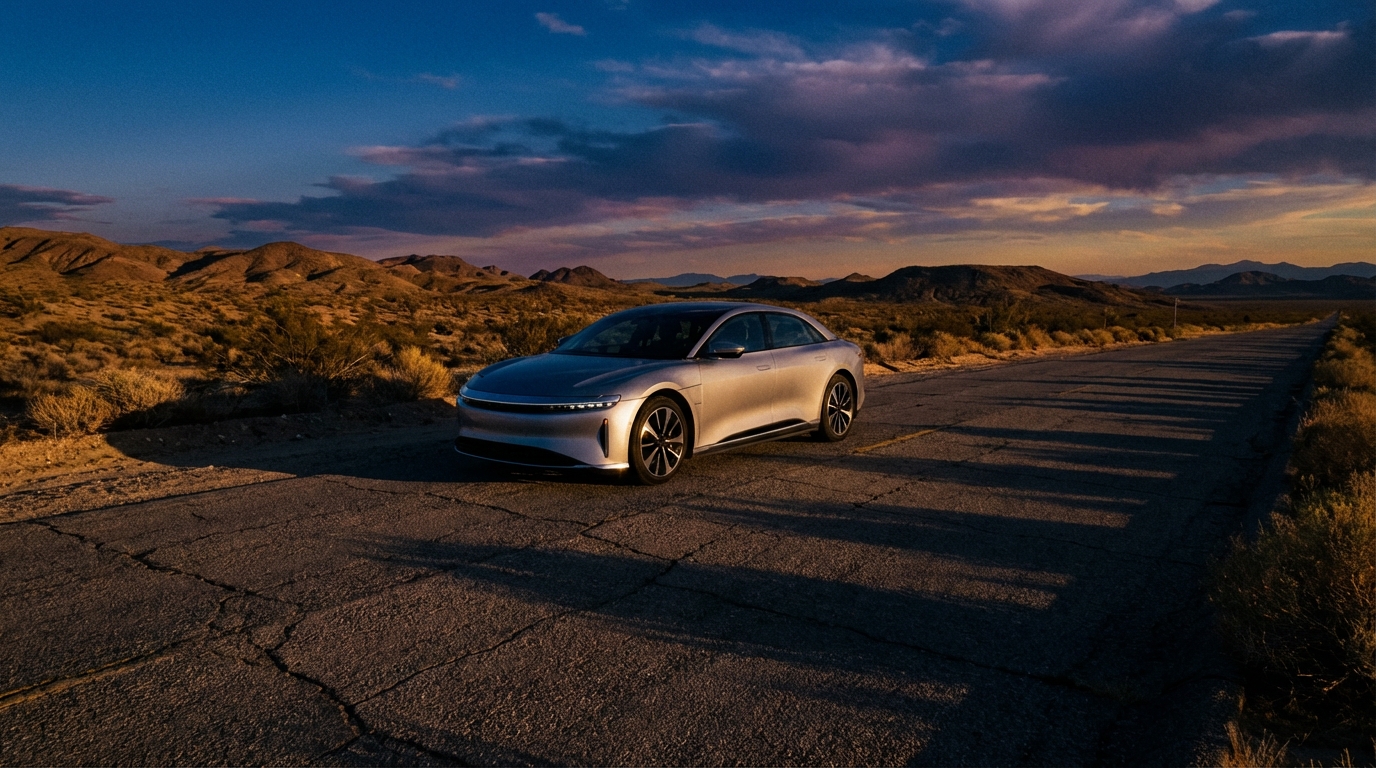
Tesla Model S Production Ending in 2026: The Final Chapter
Tesla Model S Production to End in 2026: The Final Chapter
After defining the modern electric vehicle era, the Tesla Model S is approaching the end of its lifecycle. Prioritizing automation and mass-market volume, Tesla confirmed that manufacturing of the Model S and Model X will cease in 2026. This decision concludes the programs that established the company, driven by shifting corporate focus toward robotics and dwindling sales.
TL;DR
- End Date Confirmed: Production of the Model S and Model X will conclude by the end of the second quarter of 2026 [Electrek, CNBC].
- Reason for Cancellation: Fremont factory space is being reallocated to manufacture the Optimus humanoid robot [The Verge].
- Sales Context: Global sales for the premium models fell to an estimated 30,000 units in 2025, a fraction of Tesla’s total deliveries [Electrek].
- Final Configuration: The last iteration features a “mild update” from June 2025, including a front bumper camera and ambient lighting, starting at $84,990 [Electrek].
An “Honorable Discharge” for Legacy Platforms
CEO Elon Musk announced the discontinuation during the January 28, 2026, earnings call. Terming the move an “honorable discharge,” Musk established a timeline offering a five-month window for final orders. He advised that “now would be the time to order it” before assembly lines permanently close [Electrek, CNBC].
The decision is a logistical pivot rather than a simple retirement. Musk revealed that Fremont floor space currently occupied by these vehicles will be converted to manufacture the Optimus humanoid robot. While reports suggest “autonomy” influenced the decision, the primary citation remains the need to reallocate capacity for the robot program [The Verge].
The Economics of Decline
This operational shift coincides with declining commercial viability for Tesla’s premium tier. By 2025, the mass-market Model 3 and Model Y accounted for 97% of Tesla’s 1.59 million total deliveries, eclipsing the flagship vehicles [CNBC].
Sales for these legacy platforms have trended downward for years. In 2025, deliveries for the “Other Models” category (S, X, Cybertruck, and Semi) dropped 40.2% year-over-year to 50,850 units. Industry estimates suggest actual Model S and X sales fell to approximately 30,000 units globally [Electrek, The Verge]. This diminishing volume made maintaining dedicated production lines financially difficult to justify amid reported revenue declines [CNBC].
The Final Refresh and Pricing Strategy
Tesla attempted to revive interest with a “mild update” in June 2025. Described as cosmetic rather than a platform overhaul, the refresh included a front bumper camera, ambient lighting, and new paint options [Electrek].
However, Tesla concurrently implemented a $5,000 price increase, raising the Model S starting price to $84,990. This pushed the vehicle further into the luxury segment while demand softened. These changes failed to reverse the sales slide. With discontinuation set for Q2 2026, the 2025 specifications serve as the definitive configuration [Drive Tesla Canada].
Comparison Table: The Final Model S vs. Mass Market
| Option | Best for | Pros | Cons | Pricing/Cost |
|---|---|---|---|---|
| Model S (Final Edition) | Collectors, enthusiasts, and buyers seeking maximum performance. | ”Honorable discharge” status [CNBC]; Exclusive features like front bumper camera [Electrek]. | Legacy platform; High depreciation risk; No successor planned. | Starts at $84,990 [Electrek] |
| Model 3 / Model Y | Daily drivers, budget-conscious buyers, long-term support. | Dominates 97% of delivery volume [CNBC]; Priority for software ecosystem. | Lacks flagship status and luxury appointments. | Significantly lower than S/X |
Pros and Cons of Ordering the Final Model S
Pros
- Historical Significance: Buyers can secure the vehicle that established Tesla as a viable automaker before production ends in Q2 2026 [Electrek].
- Updated Features: The final run includes the June 2025 refresh features, such as the front bumper camera and ambient lighting [Electrek].
- Scarcity: With global sales estimated around 30,000 units in 2025, the vehicle is becoming increasingly rare [Electrek].
Cons
- Price Premium: The starting price increased by $5,000 to $84,990 in June 2025, requiring a higher commitment for a discontinued model [Electrek].
- Support Risks: As Tesla converts lines to Optimus robots and focuses on mass-market cars, the ecosystem for accessories and repairs may dwindle [The Verge].
- Depreciation: The 40.2% drop in the “Other Models” category suggests the market has moved away from this platform [The Verge].
FAQ
When is the absolute last date I can order a Tesla Model S? Musk confirmed production concludes by the end of Q2 2026. This provides an approximate five-month window from the January 2026 announcement, though Musk advised ordering immediately to ensure delivery [CNBC].
Will Tesla continue to support and service the Model S after 2026? While service hasn’t explicitly ended, the production space is converting to Optimus robots. With mass-market models accounting for 97% of deliveries, the parts and software ecosystem will favor newer vehicles, posing potential long-term risks for legacy owners [The Verge].
Why did Tesla increase the Model S price right before canceling it? In June 2025, Tesla introduced a “mild update” with cosmetic changes and a front bumper camera. This coincided with a $5,000 price increase to $84,990, positioning the car as a niche luxury item despite declining sales [Electrek].
How does the 2025 Model S refresh compare to previous versions? The June 2025 refresh was a mild update rather than an overhaul. It focused on minor hardware improvements like a front bumper camera, ambient lighting, and new paint options [Electrek].
Conclusion
The discontinuation of the Tesla Model S and Model X signifies a major turning point for the automaker. By reallocating Fremont resources to the Optimus humanoid robot, Tesla is betting its future on artificial intelligence rather than the luxury automotive segment. With production ending in Q2 2026, the window to acquire this historic vehicle is closing. The Model S exits the market as a celebrated legacy piece of automotive history.