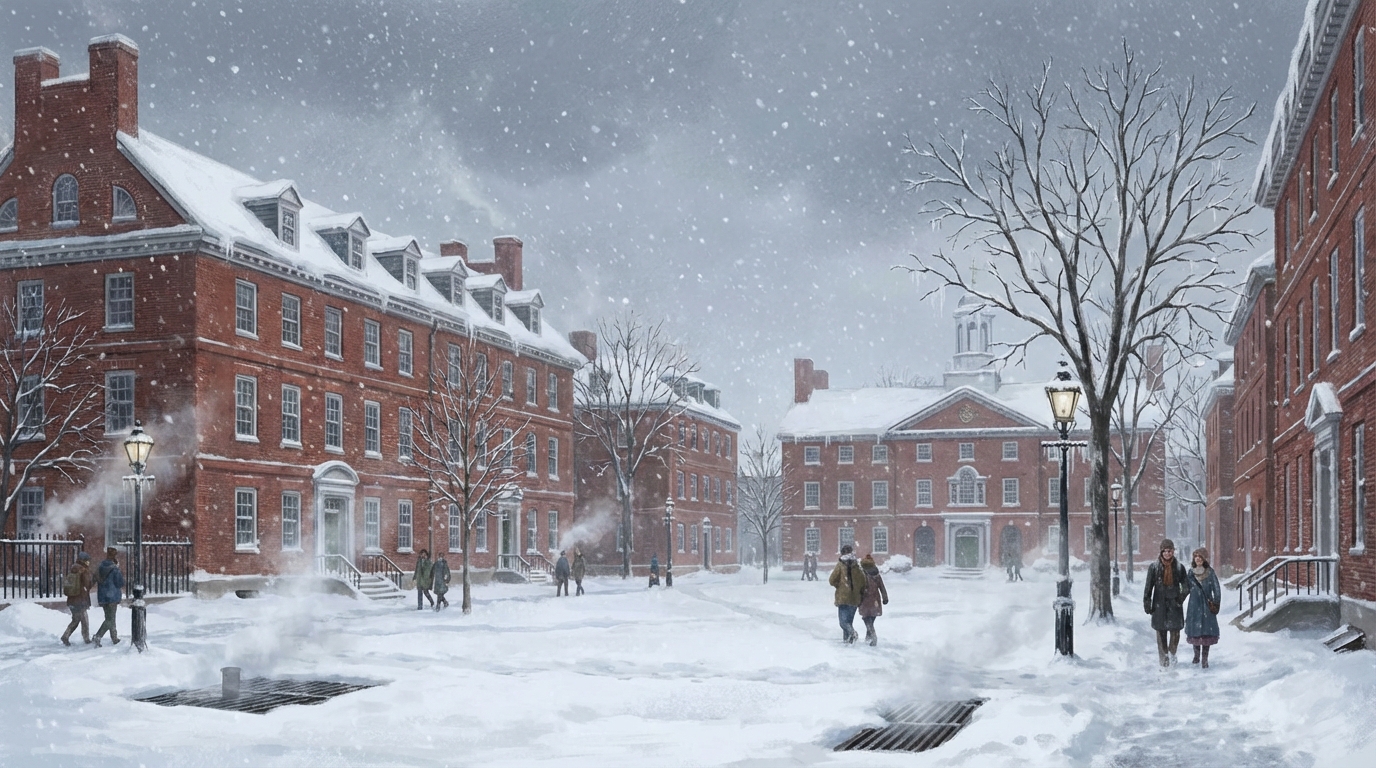
UMD Spring 2024: Infrastructure Crisis and Heating Outage
Disrupted Beginning: The Spring 2024 Infrastructure Crisis at UMD
The Spring 2024 semester at the University of Maryland (UMD) began under exceptionally difficult circumstances, resulting in a chaotic start that left the campus community navigating freezing temperatures without reliable access to essential services. While the academic calendar marked January 24 as the start of the term, a confluence of severe weather and critical infrastructure failures forced the university to suspend instruction for the first week.
What began as a disruption caused by a severe snowstorm quickly escalated into a facilities crisis when a heating system failure compromised operations across the College Park campus. This event highlights the vulnerabilities inherent in transitional infrastructure periods and the cascading effects that utility failures can have on residential life and campus operations.
A Timeline of Disruption
The disruption to the semester began immediately, with a severe snowstorm impacting the scheduled start of classes on Wednesday, January 24. Just as the campus attempted to recover from the snow, a secondary crisis emerged: a critical failure of the heating infrastructure during a subsequent cold snap. The Diamondback reported that the combination of these weather events and heating issues forced the university to suspend instruction through Friday, January 26.
While WBFF specifically noted campus closures due to the heating failure, student reporting indicates the disruption effectively spanned the full week. The result was a campus closure that remained in effect through Friday, marking the end of a week where no regular in-person classes took place.
Root Cause: The Failure of Interim Infrastructure
The heating crisis stemmed from reliance on transitional infrastructure during a critical construction period. According to WBFF, the primary cause was a failure within a “temporary external boiler system” utilized while the central energy plant undergoes reconstruction. This interim equipment was unable to sustain operations during the intense cold snap.
This temporary arrangement was intended to bridge the gap until the university’s new central energy plant opens. However, the interim solution proved insufficient when faced with extreme weather. Reports indicate that the temporary system was “unable to keep up with the recent cold snap,” leading to a widespread loss of heat and hot water across campus (WBFF).
Impact on Residential Life
The infrastructure failure had immediate consequences for residential life. The steam power outage directly affected specific housing units, with reports highlighting South Campus Commons 1 and 2, as well as chapter houses situated along Fraternity Row, as being particularly hard hit (The Diamondback).
Faced with dropping indoor temperatures, university officials advised students to return home or seek alternative locations with heat if possible (WBFF). This advisory underscored the severity of the situation and the university’s inability to guarantee comfortable living conditions during the outage.
For students unable to leave campus, the university implemented emergency mitigation strategies. Staff established “warming centers” within dormitory communities to provide temporary relief and distributed extra blankets to students remaining in the affected residence halls (The Diamondback).
Impact on Dining Services
The failure of the steam-generating boilers compromised other essential campus operations, specifically food service. The utility instability had a direct impact on dining services because the cooking equipment relied on the affected steam power system.
The Baltimore Banner reported that dining halls were forced to operate with reduced hours and limited menus. These reductions occurred precisely when students remaining on campus relied heavily on these facilities due to the severe weather. The inability to fully power cooking appliances highlighted the deep interdependence between the campus’s central heating infrastructure and its auxiliary services.
The scope of the infrastructure failure was extensive, with heat and hot water eventually needing restoration in over 100 buildings across the College Park campus (The Baltimore Banner). This widespread impact necessitated a prioritization of safety for employees and contractors working to fix the system.
Restoration and Recovery
Recovery efforts made significant progress toward the end of the week, though classes remained canceled to ensure system stability. Facilities Management worked to reestablish steam service to the Campus Central Energy Plant amidst the freezing conditions.
By 10:00 AM on Thursday, January 25, heating and hot water temperatures had returned to “near normal” levels in the dormitories (The Diamondback). By Friday, January 26, officials confirmed that service had been restored to the more than 100 affected buildings (The Baltimore Banner). Despite the return of utilities, the administration maintained the campus closure through the end of the week.
Looking Ahead: The Permanent Solution
While the immediate crisis was resolved, the operational failures experienced during this cold snap have drawn attention to the state of the university’s energy infrastructure. The university aims to prevent future occurrences through the completion of the new energy plant.
University officials have stated that the new permanent central energy plant is expected to become operational later in 2024 (The Baltimore Banner). Once completed, this infrastructure is projected to provide a more resilient system for heating and cooling campus facilities. Until that permanent solution is online, the campus remains dependent on the provisional equipment that faltered during this event.
Conclusion
The first week of the Spring 2024 semester at UMD serves as a stark reminder of the complexities involved in maintaining large-scale campus operations during infrastructure transitions. A combination of severe weather and the failure of a temporary boiler system led to a week-long disruption of classes, the displacement of students, and significant operational challenges for dining services. While the restoration of heat to over 100 buildings by January 26 marked the end of the immediate crisis, the event underscored the necessity of the upcoming permanent central energy plant to ensure the future resilience of the campus.
FAQ
Why was the University of Maryland closed during the first week of Spring 2024? The closure was caused by a combination of a severe snowstorm early in the week and a subsequent critical infrastructure failure. A heating system outage, exacerbated by a cold snap, forced the university to suspend instruction through Friday, January 26.
What caused the heating and hot water outage in UMD dorms? The outage was caused by the failure of a “temporary external boiler system” that was unable to sustain operations during the intense cold. This temporary equipment was being used as a stopgap measure while the university’s central energy plant undergoes reconstruction.
Are UMD campus dining halls open during the heating outage? Dining halls remained open but operated with reduced hours and limited menus. The steam power outage compromised the cooking equipment necessary for standard food preparation, disrupting normal dining services.