After the Xcel Power Outage: Colorado's New Strategy
After the Xcel Power Outage: Colorado’s New Wildfire Mitigation Strategy
By The Editorial Board
On January 30, 2025, the Colorado Public Utilities Commission (PUC) formally approved Xcel Energy’s comprehensive wildfire mitigation plan. This decision marks a significant regulatory shift in how the state manages utility-related fire risks. The ruling establishes a new operational baseline for the region following the chaotic and controversial Xcel power outage events that began in April 2024. The framework attempts to balance the urgent necessity of wildfire prevention with the economic and social stability of Colorado communities.
The Catalyst: April 2024
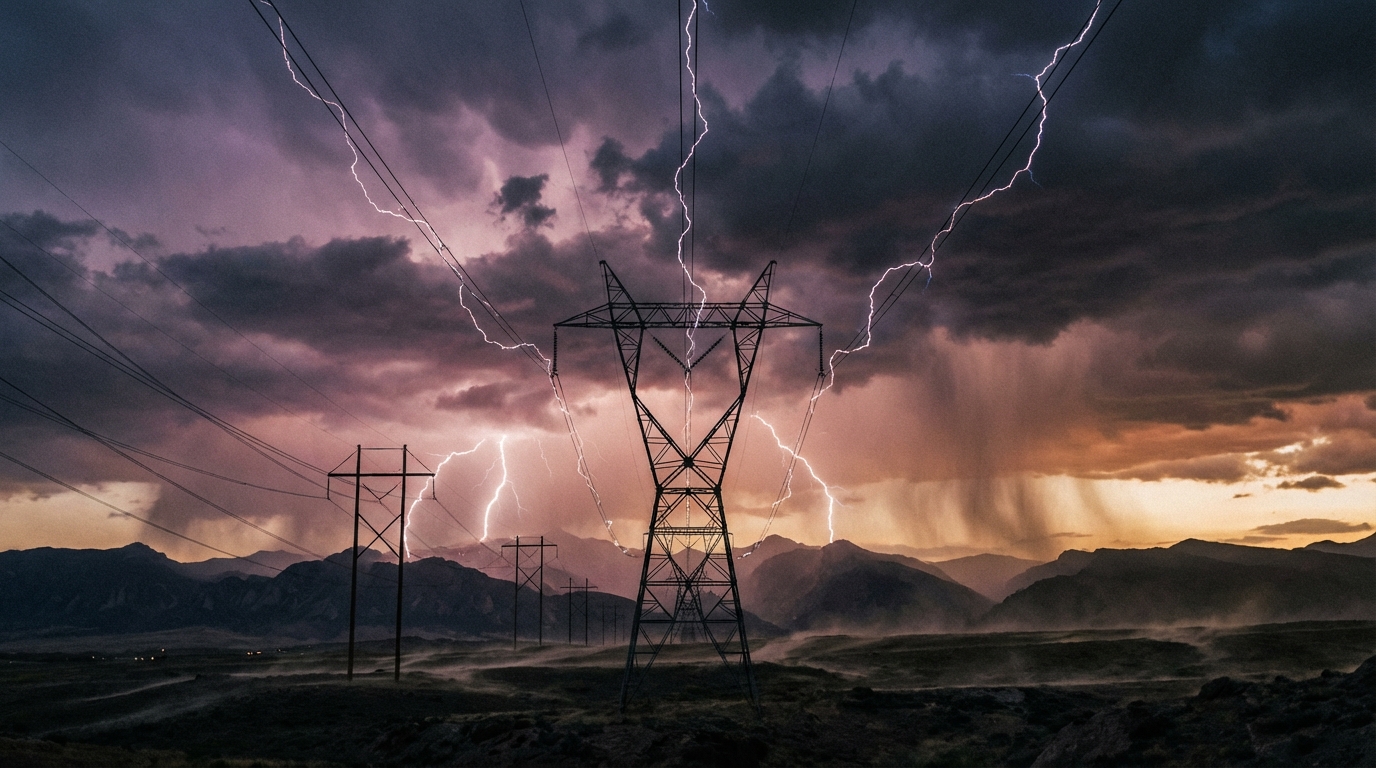
The impetus for this regulatory reform stems largely from Xcel Energy’s first preemptive power shutoff along the Front Range in April 2024. Driven by “hurricane-strength winds,” the utility cut electricity to thousands of customers to prevent electrical equipment from igniting wildfires. Xcel Energy leadership maintained that the decision was a necessary operational choice to prioritize public safety over service continuity.
Despite the rationale, the event marked a departure from historical service protocols. The tension between wildfire prevention and service reliability intensified immediately following the shutdown. While the utility deemed the move necessary, the sudden loss of electricity resulted in financial consequences for the community and sparked a massive volume of public testimony submitted to the PUC.
Communication Failures and Public Outcry
Beyond operational disruptions, the utility faced severe criticism regarding how the outages were communicated. Scrutiny of Xcel’s past performance revealed deficiencies in stakeholder engagement. By early 2025, the PUC had received approximately 4,000 written comments detailing the negative impacts of the shutoffs.
A major theme in these complaints was the quality of information provided. Boulder’s deputy city manager described the utility’s communications as “confusing, conflicting, inaccurate and incomplete,” noting that local officials struggled to manage the fallout. Critics argued that the lack of clear warning left communities unprepared. In response, Xcel Energy publicly conceded that its notification processes were flawed, acknowledging to the PUC that there were “areas for improvement” regarding their engagement protocols.
The Economic Toll on Communities
The aftermath of the shutdown revealed substantial economic and logistical consequences. Businesses and homeowners reported losing hundreds of thousands of dollars in spoiled food, while municipalities struggled with disruptions to critical public facilities. Without accurate timelines or geographic specificity, businesses were unable to mitigate losses.
The path to financial recovery remains restricted. Addressing lawmakers in January 2025, Xcel Energy President Robert Kenney clarified that utilities typically do not reimburse customers for losses incurred during public safety power shutoffs. Furthermore, these losses are generally not covered by standard insurance claims. Kenney emphasized that the company remains “confident we made the right operational decision for public safety,” viewing the de-energization as a protective measure rather than a service failure.
Infrastructure Investment: The $2 Billion Plan
In response to the wildfire threat, regulators approved a comprehensive mitigation plan in early 2025. Reports indicate the plan involves a substantial financial commitment, with estimates ranging from $1.9 billion to $2 billion over the 2025-2027 period. This ruling transitions the state’s approach from reactive emergency measures to a formalized strategy focused on infrastructure hardening.
A central component of the approved plan involves specific infrastructure upgrades designed to reduce the frequency of Public Safety Power Shutoffs (PSPS):
- Undergrounding Lines: Xcel Energy intends to bury approximately 50 miles of distribution lines in high-risk areas. The utility noted that burying all 82,000 miles of distribution lines would be cost-prohibitive, estimated at $15 billion over a decade.
- Situational Awareness: The plan authorizes the installation of 120 high-tech cameras and 100 weather stations to enhance real-time situational awareness.
- Grid Hardening: Funds are designated for system upgrades to withstand severe weather rather than customer compensation.
These technical improvements aim to ensure that shutting off power remains a specific tool for extreme conditions rather than a default operational response.
The Path Forward: Regulatory Reform
The friction caused by the April 2024 shutoff necessitated a new regulatory framework. While the mitigation plan establishes physical infrastructure goals, the comprehensive rules governing the mechanics of power shutoffs are still being finalized.
The Public Utilities Commission is currently establishing formal rules regarding proactive power cutoffs during extreme weather, with finalization expected by late summer or early fall of 2025. These forthcoming regulations are expected to address the procedural gaps identified during the January hearings, potentially imposing stricter requirements on decision-making criteria and communication standards.
Conclusion
The approval of Xcel Energy’s wildfire mitigation plan represents a pivotal moment in Colorado’s utility management, born from the contentious lessons of the April 2024 Xcel power outage. While the investment of up to $2 billion signals a strong commitment to infrastructure hardening, significant challenges remain regarding the economic impact on consumers and the clarity of emergency communications. As the PUC moves to finalize the rules for future shutoffs later in 2025, the state continues to navigate the complex tension between ensuring public safety and maintaining the reliability of essential services.
Frequently Asked Questions
Will Xcel Energy reimburse customers for spoiled food or lost revenue during a preemptive shutoff? Currently, no. Xcel Energy President Robert Kenney has stated that utilities typically do not reimburse customers for losses incurred during public safety power shutoffs. These events are viewed as protective measures, and losses are generally not covered by standard insurance claims.
How have notification rules changed for future Public Safety Power Shutoffs? Specific rules are still under development. The Colorado Public Utilities Commission is expected to finalize formal regulations regarding proactive power cutoffs by late summer or early fall of 2025. These rules aim to address previous failures where communications were described as “confusing, conflicting, inaccurate and incomplete.”
What specific infrastructure upgrades is Xcel making to prevent wildfires? The approved mitigation plan includes burying approximately 50 miles of power lines in high-risk areas and installing 120 high-tech cameras alongside 100 weather stations to improve real-time weather monitoring and situational awareness.