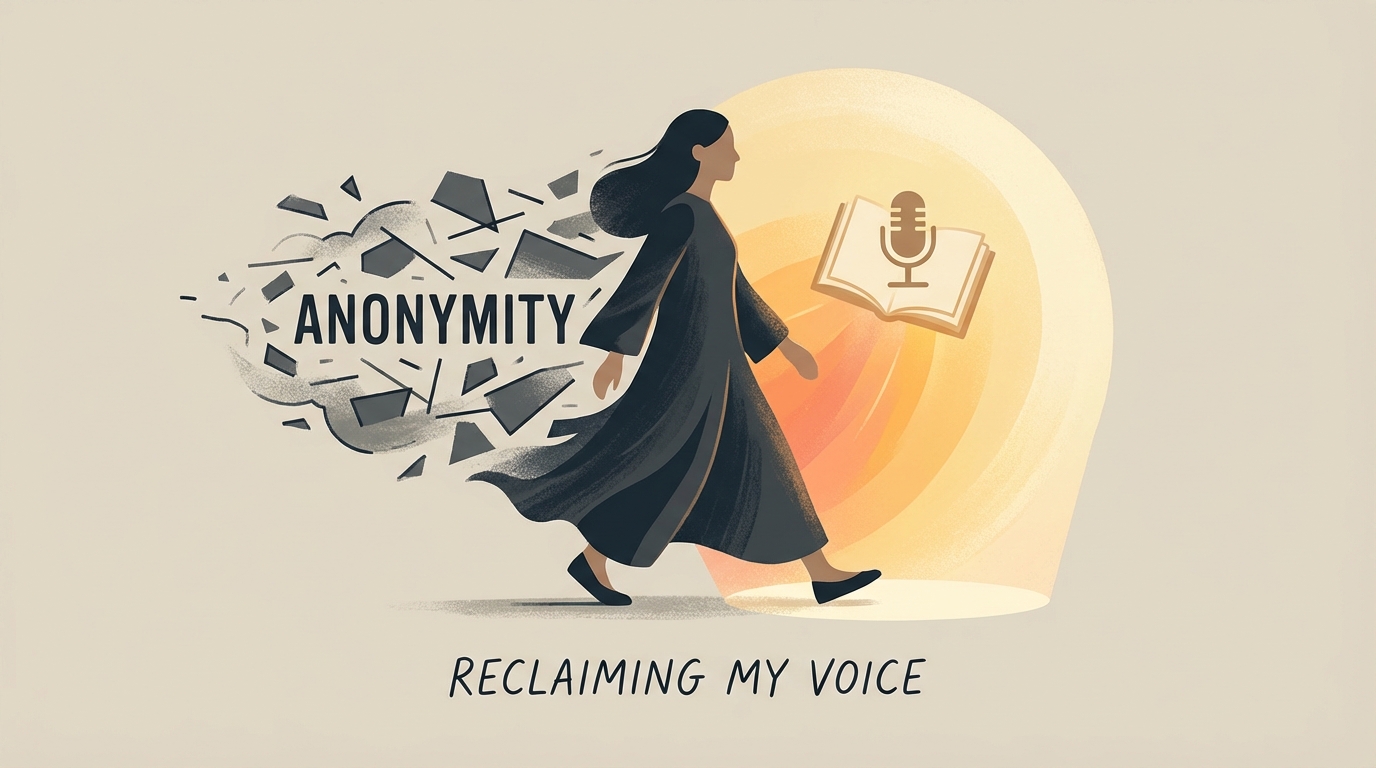
Reshona Landfair: Reclaiming Identity Beyond the R. Kelly Trial
From Evidence to Author: Reshona Landfair Reclaims Her Narrative
For decades, the legal and public discourse surrounding the R. Kelly trials relied on anonymized labels to refer to the victims involved. While intended to protect privacy, designations like “Jane Doe” can inadvertently reduce complex human experiences to mere evidence in a criminal proceeding. By choosing to publicly identify herself as Reshona Landfair, the woman previously known only as the girl in the infamous sex tape has fundamentally altered this dynamic. This decision marks a significant pivot from state-imposed anonymity to self-determined identity, challenging the public to see the survivor rather than just the artifact of the crime CBS News.
Dismantling the Barrier of Anonymity
Landfair’s decision to step forward is driven by a desire for existential authenticity rather than public notoriety. She has described the burden of hiding her identity as a fragmentation of her life that she could no longer sustain. Her declaration, “My true self today is Reshona Landfair,” serves to reclaim the narrative space previously dominated by the perpetrator’s notoriety CBS News.
She has expressed a desire to live “in my true skin.” Yahoo News This metaphor indicates that the anonymity, while legally useful, eventually became an impediment to her personal healing. By shedding the pseudonym, she seeks to align her public existence with her private reality.
The Context of the Evidence
The video in question played a pivotal role in the legal battles surrounding the singer, serving as a core component of the prosecution’s case. For a long period, the footage was discussed primarily in legal terms to establish criminal liability. Landfair’s involvement was involuntary at the time of the recording, a fact that became central to the charges leveled against Kelly. The legal system utilized this evidence to establish patterns of conduct, though Landfair remained shielded from the public eye throughout the proceedings to protect her privacy Chicago Sun-Times.
However, the existence of the tape created a decades-long public spectacle that often objectified the minor involved. Public consumption of such evidence can desensitize society to the specific harm inflicted on the individual. Landfair’s re-emergence challenges consumers of that media to reconcile the static image on the screen with the adult woman speaking today. The transition from “Jane Doe” to Reshona Landfair demands that the public acknowledge the human cost behind the headlines CBS News.
Documenting the History: A New Memoir
Accompanying this public identification is the announcement of a written account of her experiences. Reports from February 2025 indicate that Landfair has penned a memoir titled Who’s Watching Shorty, signaling her intent to document her personal perspective on the events that led to the high-profile trials. The title suggests a focus on the vulnerability she experienced during her youth and the lack of supervision or protection she received. This literary endeavor aims to provide the context that legal proceedings often exclude, offering a personal accounting of the years spent in the shadow of the investigation Chicago Sun-Times.
The transition from anonymous witness to published author represents a reclaiming of agency over her life story. By authoring her own narrative, Landfair moves beyond the limitations of testimony given under subpoena. The memoir is expected to address the specific details of the trials where her testimony and the video evidence played a crucial role. This act of writing serves to recontextualize the evidence used in court, placing it within the broader scope of her survival and recovery. As the project moves toward publication, public attention will likely shift from the crimes committed against her to the insights she offers as a survivor Chicago Sun-Times.
Conclusion
The reclamation of identity by the woman formerly known as “Jane Doe” represents a profound moment in the aftermath of the R. Kelly trials. By publicly affirming her identity as Reshona Landfair, she has effectively retired the moniker that shielded her privacy while obscuring her humanity. This declaration serves as the foundation for her re-emergence into the public sphere, not as a subject of speculation, but as a survivor with a distinct name and voice.
Ultimately, the transition from “Jane Doe” to Landfair challenges the reductionist nature of legal labels. The pseudonym, while protective, often renders survivors as abstract figures defined solely by the crimes committed against them. By publicly adopting her birth name, Landfair is attempting to dismantle the stigma frequently attached to victims in high-profile sex crime cases. Her emphasis on her “true self” suggests a refusal to let the past dictate her current identity CBS News.
FAQ
Who is Reshona Landfair in relation to the R. Kelly case? Reshona Landfair is the woman who was previously identified in court documents and media reports as “Jane Doe.” She was the young girl featured in the video tape that served as a central piece of evidence in the R. Kelly trials CBS News.
What is the release date and title of Reshona Landfair’s memoir? Reports indicate the memoir is titled Who’s Watching Shorty. While specific retail availability is pending, news of the project was reported in early February 2025 Chicago Sun-Times.
Why did Reshona Landfair decide to reveal her identity now? Landfair stated that she wanted to live in her “true skin” and reclaim her identity after years of anonymity. She expressed a desire to move beyond the “Jane Doe” label and establish her existence as a survivor with agency, rather than just a victim in a legal case Yahoo News.
Was Reshona Landfair the ‘Jane Doe’ in the R. Kelly trials? Yes. In her public statement to CBS News, she explicitly confirmed that she was the individual identified as “Jane Doe” in the trials and the video evidence used by the prosecution CBS News.