2026 Figure Skating Schedule and Results: Team USA Analysis
The air inside the Mediolanum Forum is crisp, carrying that specific, sterile chill that only exists in Olympic venues before the crowds truly settle in. However, the temperature on the ice during the opening days of the 2026 Milano Cortina Games has been anything but frigid. We are witnessing a collision of high art, brutal athletic calculations, and, inevitably, the encroaching noise of American politics. For those tracking the figure skating schedule and results, the narrative has already shifted from a simple quest for gold to a complex drama involving fatigue, strategy, and the weight of expectations.
This is not merely about who lands the quad or who holds the edge; it is about how the Team Event has fundamentally altered the rhythm of the Winter Games. The event, now a staple of the Olympic program, forces federations to show their cards early, risking their star athletes in a bid for collective glory before the individual medals are even polished. As we dissect the opening performances, it becomes clear that the United States has arrived with a strategy built on veteran stability, even as the world outside the rink tries to turn their performance into a talking point.
The Anchor of Excellence: Chock and Bates Deliver
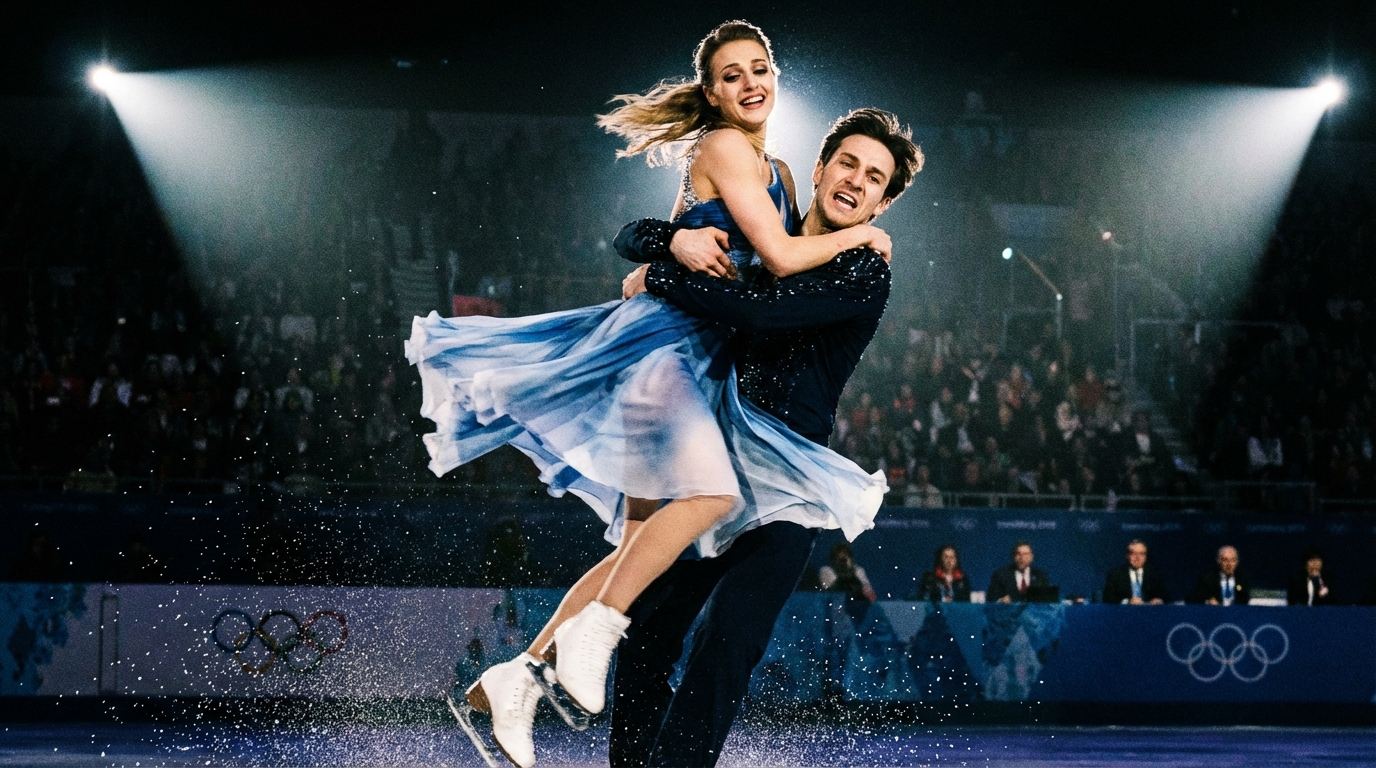
If there were doubts about the readiness of Team USA, they were dispelled the moment Madison Chock and Evan Bates took their opening pose. The veteran ice dancers, who have long been the stylistic soul of the American squad, did not just compete; they redefined the standard. According to a report by The Guardian, the duo posted a world-best score in the rhythm dance, effectively putting the rest of the field on notice.
Their performance was a masterclass in the very criteria that make ice dance so subjective yet so technical. The edges were deep, the twizzles synchronized to the millisecond, and the interpretation of the rhythma notorious stumbling block for lesser teamswas handled with a sophistication that only comes from over a decade of partnership. In the context of the figure skating schedule and results, this score does more than just add points to the team total; it provides a psychological buffer. It allows the singles skaters and pairs teams, who often face higher variance in their scoring due to jump elements, to breathe a little easier.
However, the reliance on veterans like Chock and Bates highlights a precarious reality. The schedule requires these athletes to peak twice: once for the team and once for their individual event. The recovery window is practically nonexistent. We have seen in past Games how the emotional high of a team medal can lead to a physical crash during the individual competition. The US Figure Skating federation is banking on the durability of its captains, but the ice is unforgiving of fatigue.
The Political Intrusion on the Rink
It would be quaint to pretend that the Olympics exist in a vacuum, separated from the geopolitical and cultural currents of the time. Yet, the 2026 Games have seen an unusually direct injection of domestic American politics into the figure skating arena. As reported by The Washington Post, comments made by JD Vance regarding the team figure skating event have sparked a firestorm of discourse that has little to do with Lutz jumps or step sequences.
Whether viewed as a critique of modern masculinity or a commentary on national priorities, the insertion of such rhetoric into the Olympic news cycle places an added layer of scrutiny on the athletes. Figure skating has always battled stereotypes, but for the athletes in the village, this noise is a distraction they cannot afford. The skaters are not just battling gravity; they are now unwitting participants in a culture war back home.
This external pressure cooks the atmosphere. When a skater takes center ice, they are representing a flag, a federation, and now, apparently, a specific cultural ideology. For the casual viewer checking the figure skating schedule and results, the drama might seem to be purely about the scores. But for the investigative observer, the tension is palpable in the mixed zone, where questions are veering away from “how did that landing feel?” to “what is your response to the Vice President’s comments?”
Strategic Depth and the Team Dynamic
The Team Event is a numbers game. It is Moneyball on ice. You do not necessarily need the best skater in the world in every discipline; you need consistency across all four: Men, Women, Pairs, and Ice Dance. NBC Olympics provided an inside look at Team USA’s internal calculations, revealing a squad that is keenly aware of their mathematical path to the podium.
The strategy relies on maximizing points in disciplines where the field is thin. With Russia’s status always a complicating factor in international sport and Japan’s dominance in the men’s singles, the US must capitalize on Ice Dance and Women’s singles to bridge the gap. The decision of who skates the Short Program versus the Free Skate is the most critical coaching decision of the Games.
Split the duties, and you keep athletes fresh, but you risk putting in a “B-team” skater who might drop vital points. Skate the same athlete in both, and you risk burnout before the individual medals are contested. The current results suggest the US is leaning towards a mixed strategy, utilizing their depth in ice dance to carry the load while strategically managing the workload of their jumpers. It is a gamble, but one necessitated by the grueling nature of the Olympic calendar.
Analyzing the Technical Scores and Deductions
Looking beyond the headlines, the technical panels in Milan are proving to be strict, particularly regarding component scores and jump rotations. The figure skating schedule and results are currently being defined by the Grade of Execution (GOE). In previous years, we saw inflation in scores for quad jumps even with poor landings. In Milan, the judges are hammering messy exits and under-rotations.
This shift favors skaters with cleaner technique over those attempting high-risk, high-reward elements. It explains why Chock and Bates scored so highly; their technical precision is undeniable. Conversely, we are seeing younger skaters struggling to adapt to this strict scrutiny, leading to shocked expressions in the Kiss and Cry area when the scores come up lower than their season bests.
The judging trends suggest that the gold medal in the Team Event will not be won by the team with the most quads, but by the team with the fewest mistakes. This sounds like a truism, but in a sport that has been obsessed with revolutionizing jump content for the last decade, a return to rewarding holistic skating skills is a significant pivot. It changes how coaches are prepping their athletes in these final hours before the Free Skate segments.
The Road Through Milan
As we look toward the conclusion of the Team Event and the transition into the individual disciplines, the stakes will only rise. The early momentum established by the US and their rivals will set the tone for the next two weeks. If the US can convert these strong opening performances into a Team Gold, it validates the federations’ funding and development models for the next quadrennial.
However, the specter of external commentary and the immense physical toll of the schedule remain the wild cards. We are watching a sport that is trying to balance its artistic heritage with modern athletic demands, all while navigating a polarized media landscape. The ice in Milan is slippery, in more ways than one.
Frequently Asked Questions
How does the Team Event scoring work in figure skating? The Team Event features ten nations competing in four disciplines: Men, Women, Pairs, and Ice Dance. Skaters earn points for their team based on their placement in each segment (10 points for 1st place, 9 for 2nd, etc.). The scores from the Short Program/Rhythm Dance are combined, and the top five nations advance to the Free Skate/Free Dance. The cumulative total determines the medalists.
Can skaters compete in both the Team Event and individual events? Yes, and most do. However, teams are allowed to make up to two substitutions between the Short and Free segments. This allows nations to rest their top stars or give other team members a chance to compete and earn a medal. Managing this roster is a key strategic element of the figure skating schedule and results.
Why are Chock and Bates significant to Team USA’s chances? Madison Chock and Evan Bates are the longest-tenured members of the team and reigning World Champions. Their consistency provides a reliable foundation of points (usually 9 or 10) in the Ice Dance discipline, which offsets potential lower placements in other disciplines where Team USA might be weaker compared to rivals like Japan.
What impact does the schedule have on performance? The figure skating schedule is grueling. Skaters in the Team Event often have to compete on consecutive days or with very short breaks before their individual events begin. This fatigue can lead to lower jump success rates and mental exhaustion, making the management of practice time and recovery just as important as the performance itself.
Conclusion
The 2026 Winter Games have opened with a reminder of why figure skating remains one of the most captivating spectacles in sports. It is a discipline where a fraction of a rotation can cost a medal, and where a single quote from a politician can dominate the news cycle. As we continue to track the figure skating schedule and results, the focus must remain on the athletes who endure this pressure cooker. Whether it is Chock and Bates setting world records or the tactical maneuvering of the team captains, the drama in Milan is just beginning. The ice is cut, the marks are set, and the world is watching.
References
- The Guardian: Chock and Bates post world best score as Olympic figure skating gets underway
- The Washington Post: Olympics Team Figure Skating & JD Vance
- NBC Olympics: Inside Team USA’s performance in Figure Skating Team Event