Can You Copyright Shoulder Pads? Legal Risks in Indie Games
In the sprawling, digital ecosystem of modern entertainment, the line between homage and theft is often drawn in shifting sand. For independent developers, the dream of releasing successful games is frequently tempered by the looming shadow of corporate litigation. The industry thrives on iterationmechanics are borrowed, genres are refined, and visual tropes are recycled until they become a shared language. However, a recent conflict has brought a bizarrely specific aesthetic debate to the forefront of the conversation: Can a company own the concept of a shoulder pad?
The question sounds absurd on its face, yet it is the very real center of a legal skirmish that has temporarily erased a title from the Steam marketplace. The dispute involves Void War, a small indie project, and Games Workshop, the British miniature wargaming behemoth known for its aggressive protection of the Warhammer 40,000 intellectual property. At the heart of the takedown notice was not a stolen storyline or ripped code, but a visual design element that has become ubiquitous in science fiction: the oversized, convex pauldron. This incident serves as a stark reminder of the fragility of indie development and the aggressive boundaries drawn by IP holders in the gaming space.
The Case of the Convex Pauldron
The saga began when the developer of Void War, a title often described as a strategic mix of FTL: Faster Than Light and the grim aesthetics of the 41st millennium, received a DMCA takedown notice. The game had been gaining modest traction, appealing to fans of spaceship management and tactical combat. However, the visual style of the game’s charactersarmored space soldiers fighting in a gothic sci-fi settingdrew the ire of Games Workshop’s legal team.
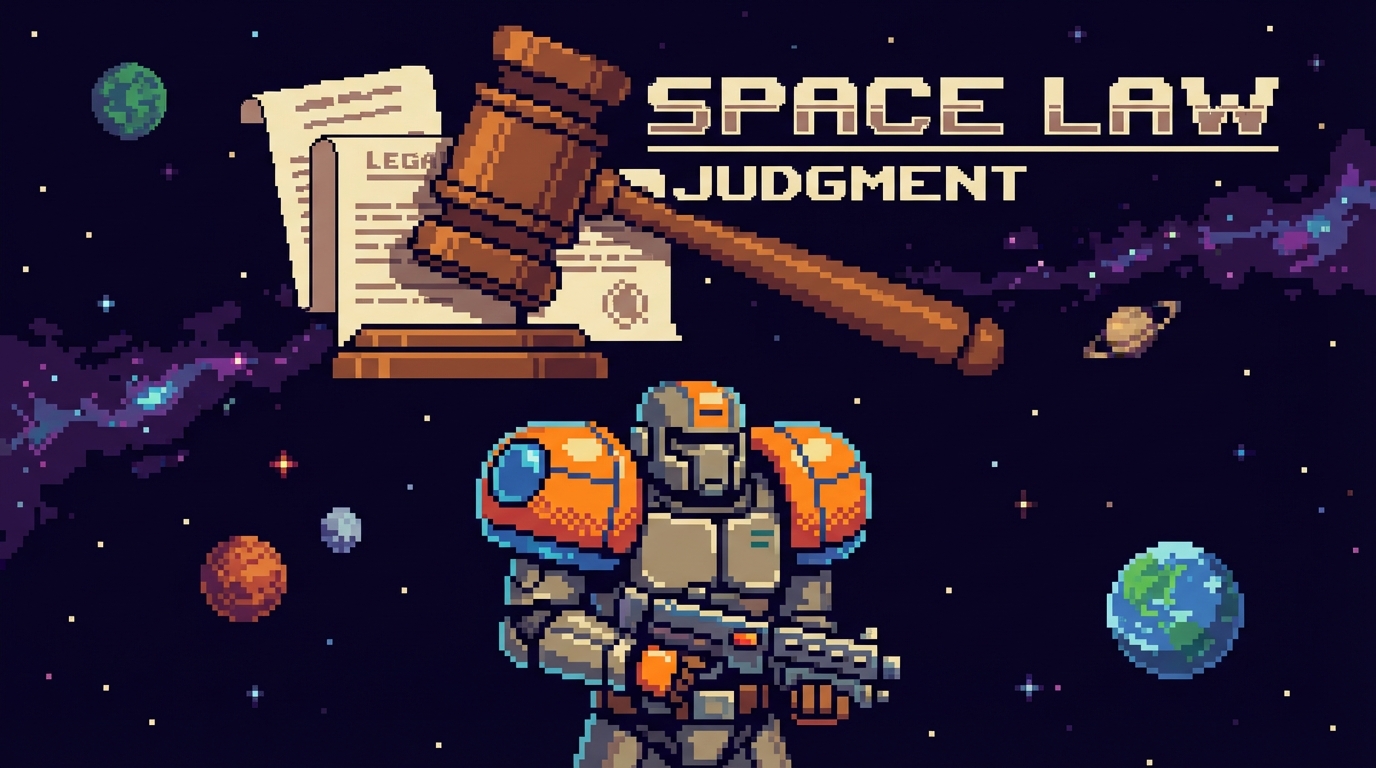
According to the developer, the specific complaint was surprisingly granular. It wasn’t just that the characters looked like space soldiers; it was the specific geometry of their armor. As reported by IGN, the dispute hinged on the presence of “oversized convex shoulder pads with a metallic rim.” The developer noted that while they acknowledged the inspiration drawn from the Warhammer universe, they believed their pixel-art representations fell well within the realm of fair use and generic sci-fi tropes. The claim suggests that in the eyes of Games Workshop, that specific combination of shape and trim is as much a signature of their brand as the double-headed eagle or the name “Adeptus Astartes.”
The takedown resulted in Void War being removed from Steam, a death sentence for an indie title relying on momentum and visibility. The developer, lacking the resources to fight a prolonged legal battle against a multinational corporation, was forced to pivot. They announced plans to redesign the offending assets, essentially stripping the characters of their iconicif disputedarmor to comply with the demands. This capitulation highlights the power dynamics at play: even if a legal defense exists, the cost of proving it is often higher than the potential revenue of the game itself.
The Grim Darkness of Intellectual Property
To understand why a shoulder pad could trigger a legal nuclear option, one must understand the history of Games Workshop. The company is famously protective of its IP, a stance that has earned it both admiration from shareholders and ire from the community. In the world of tabletop and video games, GW is the ultimate gatekeeper. They have spent decades cultivating the Warhammer 40,000 brand, transforming it from a niche hobby into a global multimedia empire.
This protectionism is born from a history of near-misses and lost opportunities. In the early days of real-time strategy games, Blizzard Entertainment famously developed Warcraft and StarCraft. Industry loreand significant visual evidencesuggests that these franchises began as attempts to license Warhammer properties. When deals fell through, Blizzard pivoted, creating their own universes that bore striking resemblances to GW’s work. The Terran Marines in StarCraft are bulky, power-armored soldiers fighting insectoid aliens (Zerg/Tyranids) and ancient psychics (Protoss/Eldar). The visual DNA is undeniable.
Having seen StarCraft eclipse Warhammer in the digital space for nearly two decades, Games Workshop tightened its grip. They began trademarking terms aggressively, famously attempting to claim ownership of the word “Space Marine” in the context of science fictiona move that was met with widespread ridicule and resistance from authors and creators who pointed out the term’s usage dating back to the 1930s. The Void War incident is a continuation of this policy: if they cannot own the genre, they will police the specific aesthetic markers that define their corner of it.
Anatomy of a Trope: When Design Becomes Law
The core of the Void War dispute lies in the concept of scnes faireelements of a genre that are so common they cannot be copyrighted. In a western, you cannot copyright a saloon with swinging doors. In a cyberpunk game, you cannot copyright neon rain. The question is whether “oversized shoulder pads” have become a scne faire of military science fiction.
Visually, the oversized pauldron serves a distinct purpose in character design. It exaggerates the silhouette, making a character look broad, imposing, and tank-like. In a top-down or isometric game, where facial details are often obscured, the silhouette is the primary way players identify unit types. Big shoulders read as “heavy infantry.” This is a principle of design, not necessarily a unique invention of Games Workshop. Anime series like Gundam, video games like Gears of War, and even historical armor sets utilize exaggerated shoulder protection to convey durability.
However, Eurogamer reports that the specific combination in Void Warthe convexity and the metallic rimwas what tipped the scales. This suggests that copyright law in the visual arts is becoming increasingly granular. It is not just about the “vibe” of the character, but the specific geometry. This creates a minefield for pixel artists, where the limitation of resolution means there are only so many ways to draw a heavy space soldier without inadvertently infringing on a registered design.
The Chilling Effect on Indie Games
The implications of this takedown extend far beyond a single title. It sends a signal to the indie development community: emulate at your own peril. The indie scene is built on the shoulders of giants, often quite literally. Developers create games that are love letters to the titles they grew up playing. A “Metroidvania” must look somewhat like Metroid or Castlevania. A retro-shooter must evoke Doom or Quake.
When a company as large as Games Workshop draws a line in the sand over a shoulder pad, it creates a chilling effect. Developers may begin to self-censor, avoiding certain aesthetic choices not because they lack creativity, but because they fear legal retribution. This stifles the organic evolution of genres. If every “space marine” must look radically different to avoid a lawsuit, we may lose the shared visual language that makes genres readable to players.
Furthermore, the mechanism of the takedownthe DMCAis a blunt instrument. As detailed in coverage by FRVR, the platform holder (in this case, Valve) is generally required to comply with a validly formulated takedown notice immediately to maintain their own safe harbor status. The content is removed first, and questions are asked later. For a small developer, weeks of downtime can mean the difference between solvency and bankruptcy. The “guilty until proven innocent” nature of the DMCA heavily favors the party with the larger legal budget.
The Future of Aesthetic Copyright
As we look forward, the intersection of game design and copyright law is likely to become even more contentious. With the rise of AI-generated assets, the question of “who owns this style?” is being asked with increasing urgency. While the Void War case is about human-created pixel art, the logic applies broadly. If a style or a specific geometric combination can be ring-fenced, the commons of creativity shrinks.
The irony is that Warhammer 40,000 itself is a pastiche. It draws heavily from Dune, Starship Troopers, Judge Dredd, and historical aesthetics ranging from the Roman Empire to World War I. It is a brilliant synthesis of existing ideas. By aggressively policing the boundaries of their synthesis, Games Workshop denies the next generation of creators the same liberty they took in the 1980s. The industry needs a clearer definition of where inspiration ends and infringement begins, lest we end up in a world where every shape, color, and polygon count is the property of a publicly traded company.
Frequently Asked Questions
Q: What exactly is a DMCA takedown in the context of video games? A: A DMCA (Digital Millennium Copyright Act) takedown is a legal notice sent by a copyright holder to a service provider (like Steam) requesting the removal of content that allegedly infringes on their intellectual property. Platforms usually comply immediately to avoid liability, leaving the uploader to file a counter-notice if they believe the claim is invalid.
Q: Can Games Workshop really copyright a shoulder pad? A: They cannot copyright the general idea of a shoulder pad, but they can enforce copyright on specific artistic expressions. In this case, they argued that the “oversized convex shoulder pads with a metallic rim” were a specific visual signature of their Space Marines, creating a “substantial similarity” that infringed on their IP.
Q: What happened to Void War after the takedown? A: The developer of Void War chose not to fight the legal battle in court due to the disparity in resources. Instead, they opted to redesign the character assets to remove the contentious elements, aiming to bring the game back to the Steam store without the risk of further litigation.
Q: Has Games Workshop done this before? A: Yes, Games Workshop has a long history of aggressively protecting their IP. They have previously been involved in disputes over the term “Space Marine” (notably with author M.C.A. Hogarth) and have issued takedowns against fan animations and mods that they felt infringed on their commercial rights.
Conclusion
The Void War incident is a microcosm of a larger struggle for the soul of digital creativity. While companies have every right to protect their intellectual property from direct theft and clones, the policing of broad aesthetic tropes poses a danger to the diversity of the medium. When the shape of a piece of armor becomes a legal battleground, we risk creating an environment where only the largest entities can afford to make games that utilize the shared heritage of science fiction. As the industry evolves, finding a balance between protection and permission will be essential to ensure that the next great space opera isn’t strangled by the red tape of the past.