The Jordan 6 Bin 23 Return: Reviving the Premio Series
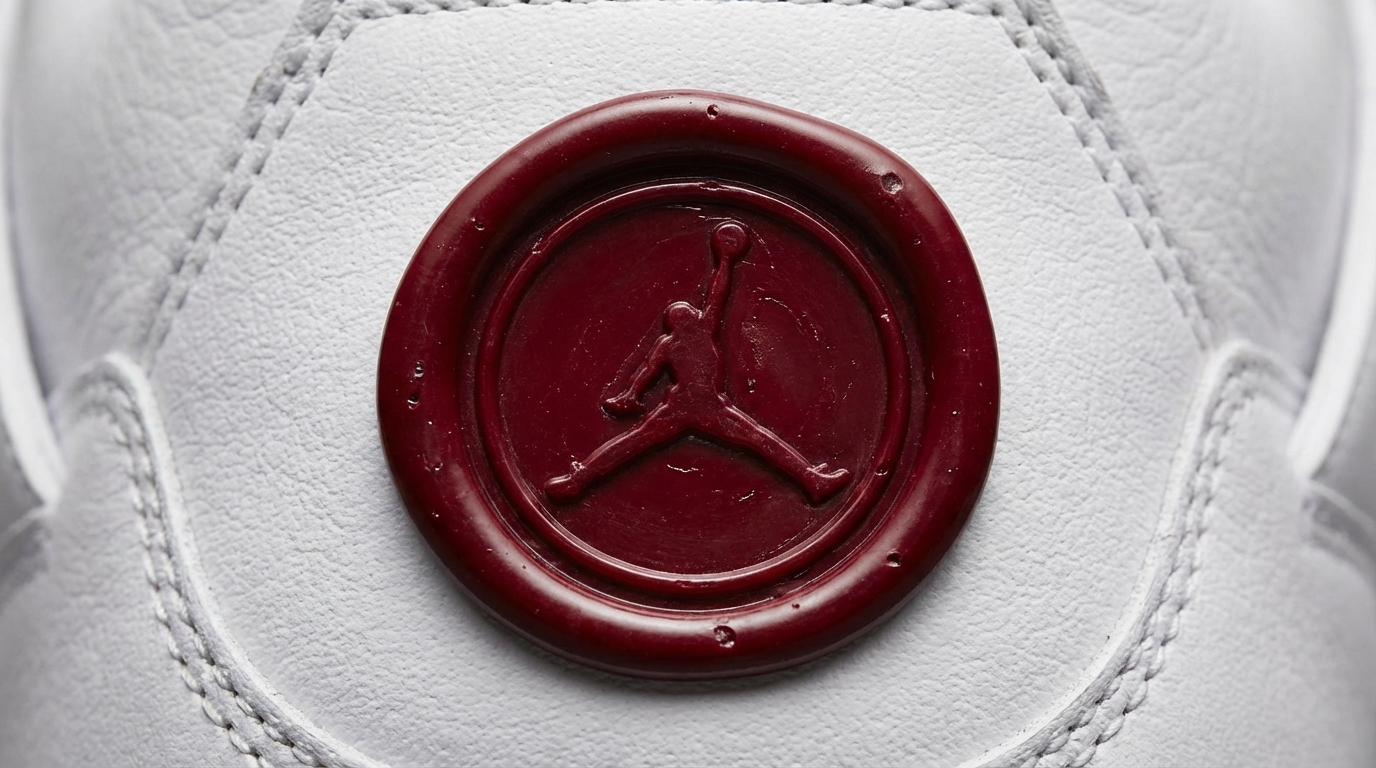
In the pantheon of sneaker culture, few insignias carry the weight of the red wax seal. It was a symbol introduced during a specific, experimental era of Jordan Brand historya time before the remastered initiative, before the Travis Scott collaborations, and before the market became saturated with weekly limited releases. The Bin 23 Premio series was the brand’s first true foray into self-manufactured luxury, a love letter to the connoisseur that treated sneakers like fine wine. After more than a decade of dormancy, the vault is creaking open once again. Reports and surfacing samples indicate that the jordan 6 bin 23 is slated for a massive return, likely targeting the 2026 All-Star Weekend. This is not just a retro; it is a strategic correction in a market desperate for authenticity.
For the uninitiated, the Bin 23 series was defined by individual numbering, premium packaging, and materials that felt worlds apart from the standard general releases of 2010. The return of the Air Jordan 6 in this guise suggests that Jordan Brand is aware of the current fatigue plaguing the community. We are tired of manufactured hype; we are craving the return of prestige. This column investigates why this specific silhouette is being deployed now and what it signals for the future of the Jumpman economy.
The Resurrection of the Red Wax Seal
The timing of this revival is far from accidental. The sneaker market has seen a correction over the last 24 months, with general release Jordans sitting on shelves and secondary market premiums shrinking. The brand needs a halo product that doesn’t rely on an external celebrity co-sign. According to recent coverage by Sneaker News, the slated release for February 2026 is positioned to be the centerpiece of the All-Star festivities. This places the Jordan 6 Bin 23 in the same strategic slot often reserved for the year’s most high-profile collaboration.
Historically, the Bin 23 collection was limited to roughly 1,000 to 2,000 pairs per release. If Jordan Brand adheres to these production numbers, we are looking at a bloodbath at retail. However, the investigative angle here requires us to look at the “why.” Why the AJ6? The silhouette itself is an architectural marvel of the Tinker Hatfield era, but in the Premio format, it becomes something else entirely. The use of premium leathers, often unvarnished or treated to age naturally, creates a patina that standard retros lack. This release is a direct challenge to the “fast fashion” nature of modern sneaker collecting.
Forensic Analysis of the Little Tokyo Sample
Evidence of this return didn’t just appear on a release calendar; it manifested physically in a way that suggests long-term planning. A pivotal moment in this unfolding story occurred at a specific retail installation. As detailed by Complex, a display at Shoe Palace in Little Tokyo showcased rare samples that reignited the conversation. This wasn’t a standard leak; it was a calculated tease.
The samples displayed suggest that the 2026 iteration will remain faithful to the original design ethos. We are looking at a color palette that likely mirrors the earthy, sophisticated tones of the original samples that never saw a wide release. The investigation into these materials reveals a commitment to “full-grain” in the truest senseleather that retains its natural markings, ensuring that no two pairs are identical. This variance was a hallmark of the original Bin 23 run and a nightmare for authenticators, but a dream for purists.
The Economics of Heritage Luxury
The reintroduction of the jordan 6 bin 23 creates a fascinating economic friction. Currently, original pairs from the Premio series command thousands of dollars on platforms like StockX and GOAT. They are held by serious investors who viewed them as blue-chip assets. A re-release, or even a new iteration under the same banner, threatens to dilute that exclusivity. However, history shows that “retro-ing” a grail often bifurcates the market: the OG pairs retain value as historical artifacts, while the new pairs satisfy the market’s hunger.
We must also consider the retail price point. In 2010, these shoes were expensive relative to the market ($175). Adjusted for inflation and the current “luxury” pricing strategy seen with the Jordan 1 High ‘85 cuts or the “Reimagined” series, we should expect a retail tag pushing $250 or even $300. This pricing strategy serves a dual purpose: it creates a barrier to entry that simulates exclusivity, and it pads the margins for Jordan Brand at a time when volume sales are unpredictable.
Combating Collaborator Fatigue
For the past five years, the recipe for a “Heat” release has been: Take a classic silhouette, hand it to a rapper or a streetwear boutique, add a backward Swoosh or a hangtag, and sell it out. That formula is showing cracks. Consumers are becoming cynical about the endless parade of collaborations that feel less like artistic expressions and more like marketing exercises. The return of the Bin 23 program signals an internal pivot. It says, “We don’t need Travis Scott to make this shoe special. We have the heritage to do it ourselves.”
Highsnobiety notes the cultural impact of these releases, emphasizing that the Bin 23 sneakers represent a timeline where Jordan Brand explored the intersection of sport and formal wear. By reviving this, the brand is attempting to reclaim the narrative of quality. It is an admission that perhaps the quality control issues of the last few years have damaged the brand’s reputation among high-end buyers, and the Bin 23 is the peace offering.
The Material Difference: Deconstructing the AJ6
When we analyze the Jordan 6 specifically, we find it is a difficult shoe to elevate. It is panel-heavy, with a complex midsole and a neoprene sleeve. Unlike the Jordan 1, which is essentially three pieces of leather, the AJ6 requires precision in assembly. The Bin 23 variant typically swaps the standard Durabucka synthetic material often used on the Infraredsfor legitimate, high-grade textiles.
In the images circulating from the samples, we see indications of a deconstructed approach. The wax seal, usually placed on the heel or the tongue, acts as a certificate of authenticity. But the real story is in the stitching. Standard retros often feature loose threads and glue stains. The promise of the Bin 23 label is a “white glove” inspection process. If Jordan Brand fails to deliver on this quality assurance, the backlash will be severe. The community remembers the quality of 2011; they will not accept 2024 general release standards in a 2026 luxury package.
Forward-Looking Analysis: The Vault Opens Wider
If the Jordan 6 Bin 23 is successful, it opens the floodgates. The Bin 23 collection originally included the 2, 5, 7, 9, and 13. Many of these are considered the best non-OG colorways ever produced. A successful launch in 2026 validates a roadmap where Jordan Brand can re-issue the entire Premio line annually, creating a recurring revenue stream that appeals to older, wealthier collectors who may have aged out of the hypebeast cycle but still appreciate fine footwear.
Furthermore, this could lead to the release of the fabled “unreleased” Bin 23 samples. Images of a Bin 23 Jordan 1 and Jordan 3 have floated around forums for a decade. By establishing the AJ6 as the anchor of this revival, Jordan Brand is testing the waters. Can they sell a shoe based purely on material excellence in an era dominated by TikTok trends and fast fashion? My analysis suggests yes, but only if they maintain the scarcity that made the original line legendary.
Frequently Asked Questions
Q: Will the 2026 Jordan 6 Bin 23 be a general release? A: Highly unlikely. The Bin 23 pedigree is built on scarcity. Expect a tiered release, likely exclusive to Tier 0 accounts and SNKRS, with stock numbers significantly lower than a standard retro, potentially numbered like the originals.
Q: How does the Bin 23 series differ from the “Craft” or “SE” releases? A: While “Craft” and “SE” (Special Edition) releases feature elevated materials, they are still mass-produced. The Bin 23 series historically utilizes bespoke materials, includes accessories like shoe bags and wooden shoe trees, and features the signature red wax seal, signifying the highest tier of production quality.
Q: What is the estimated retail price for the new Jordan 6 Bin 23? A: While official pricing hasn’t been confirmed, market analysis suggests a price point between $250 and $300. This accounts for inflation since the original $175 price point in 2010 and positions it as a luxury alternative to collaborations.
Q: Are the surfacing images of the Jordan 6 Bin 23 the final product? A: The images currently circulating, including those from the Little Tokyo display, are likely advanced samples. While they represent the design intent, Jordan Brand often tweaks materials and color blocking slightly before mass production to ensure durability and aesthetic cohesion.
Conclusion
The return of the jordan 6 bin 23 is more than just another sneaker drop; it is a litmus test for the maturity of the sneaker culture. It asks whether we still value the tangible qualities of leather and craftsmanship over the intangible hype of celebrity association. As we approach 2026, the anticipation surrounding this release serves as a reminder that the Jordan Brand vault is deep, and sometimes, the best way to move forward is to look back at the moments when the brand dared to be premium. For the collector, the chase is back on. For the brand, the stakes have never been higher to prove that the Jumpman can still fly without a co-pilot.