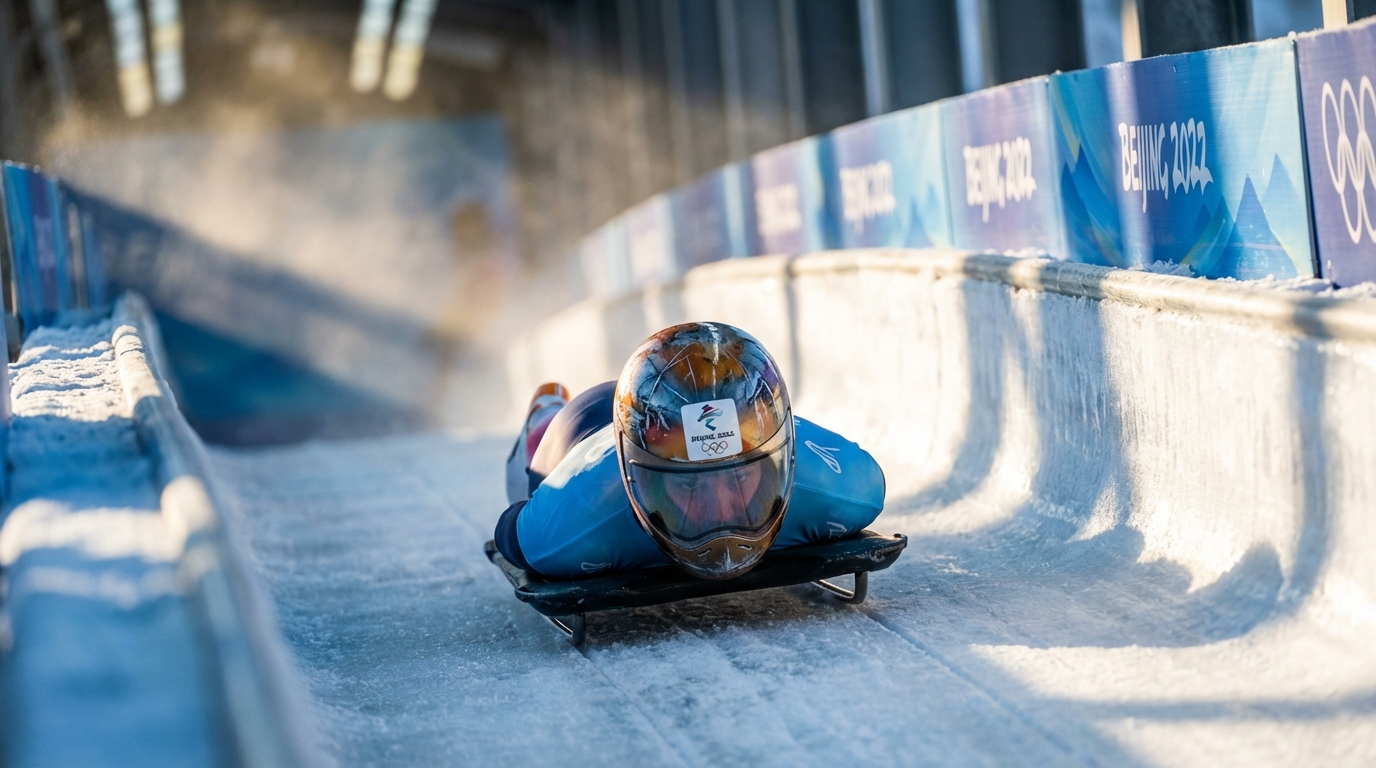
Austin Florian: Skeleton Racing and Helmet Regulations
In the high-stakes theater of the Winter Olympics, where medals are often decided by thousandths of a second, the line between glory and obscurity is razor-thin. Few athletes embody the tension between raw speed and personal identity better than Austin Florian, the American skeleton racer who has captured headlines not just for his athletic prowess, but for bringing a distinct sense of style to one of the world’s most terrifying sports. While the public is often captivated by the sheer velocity of skeletona sport where competitors careen head-first down an icy chute at speeds exceeding 80 miles per hourthe real story often lies in the equipment, the regulations, and the athletes who dare to push the boundaries of both. As we analyze the landscape of winter sports, Florian represents a modern archetype: the athlete who refuses to be merely a cog in the national machine.
TL;DR
- Austin Florian gained significant attention for his custom-painted helmet paying homage to the USS Austin, blending patriotism with personal history.
- Strict equipment regulations continue to plague the sport, evidenced by recent high-profile disqualifications and denied appeals.
- The financial reality of skeleton racing forces athletes to rely on viral moments and personal branding to sustain their careers.
- Technical compliance is as important as athleticism; a millimeter of steel or a gram of weight can lead to immediate disqualification.
The Art of Speed: Florian’s Viral Statement
Skeleton is often described as a minimalist sport. There is a sled, a helmet, a speed suit, and gravity. However, within that minimalism exists a complex world of aerodynamics and expression. Austin Florian shattered the monochrome monotony of standard-issue gear with a helmet design that resonated far beyond the sliding track. According to Fox News, Florian’s helmet was not just a piece of safety gear but a meticulously crafted tribute to the USS Austin, a nod to both his namesake and American naval history. This design choice did more than protect his head; it humanized a competitor whose face is typically obscured by a visor and the blur of speed.
The viral nature of Florian’s equipment highlights a shifting paradigm in Olympic sports. In an era where audiences crave connection, the “uniform” is increasingly viewed as a canvas. For Florian, a former collegiate skier turned slider, the helmet was a declaration of presence. It signaled that while the International Olympic Committee (IOC) and the International Bobsleigh and Skeleton Federation (IBSF) enforce strict rules on logo sizes and commercial branding, they cannot fully suppress the human element. This moment of viral fame provided a stark contrast to the rigid, often faceless nature of the competition, proving that personality can coexist with precision performance.
The Unforgiving nature of IBSF Regulations
While Florian managed to navigate the rules with style, other athletes have found themselves on the wrong side of the regulatory ledger. The sport of skeleton is governed by a draconian set of technical specifications. Sled runners must be a specific temperature; the sled must weigh a specific amount; and the aerodynamics cannot be altered by unauthorized tape or residue. The margin for error is nonexistent. A recent case involving a Ukrainian skeleton athlete serves as a grim reminder of this reality. As reported by ESPN, the Court of Arbitration for Sport (CAS) denied an appeal regarding a disqualification, cementing the fact that intent often does not matter in the face of technical non-compliance.
This juxtaposition defines the current era of the sport. On one side, you have Austin Florian successfully leveraging equipment for expression; on the other, you have careers derailed by technicalities. The denied appeal underscores the absolute authority of the governing bodies. When an athlete is disqualified, the narrative shifts instantly from their physical capability to their equipment management. It is a brutal system where a loose bolt or a slightly warm runner can erase four years of training. This environment makes Florian’s ability to stand out while staying within the lines even more impressive. He navigates a minefield of regulations where one step too far in creative design could theoretically trigger a review, yet he maintains the balance perfectly.
Comparison table: Equipment Customization Options
Athletes like Florian must weigh the benefits of customization against the risks of non-compliance and cost. The following table breaks down the primary methods athletes use to personalize their gear.
| Option | Best for | Pros | Cons | Pricing/Cost |
|---|---|---|---|---|
| Custom Hand-Painting | High-profile athletes (e.g., Florian) | Unique aesthetic, high viral potential, personal expression. | Expensive, risk of adding non-compliant weight/texture, time-consuming. | High ($1,000+) |
| Vinyl Wrapping | Mid-tier competitors | Easy to change, protects base material, consistent finish. | Can peel at high speeds, potential aerodynamic drag if applied poorly. | Moderate ($200-$500) |
| Stock/Factory Finish | Rookies / Low budget | Zero compliance risk regarding texture, no extra cost. | Zero individuality, harder for fans to identify on track. | Included in gear cost |
| Hydro-Dipping | Sponsored teams | Complex patterns, lightweight application. | Difficult to repair scratches, permanent application. | Moderate to High |
The Economics of Being Austin Florian
Why does a helmet design matter so much? The answer lies in the economics of niche winter sports. Unlike basketball or football players, skeleton athletes often struggle for funding. They are essentially freelancers of speed. By generating a viral moment, Austin Florian increases his value to potential sponsors. Visibility is currency. When the helmet goes viral, the athlete gains leverage. This is a crucial survival strategy in a sport where equipment costs can rival the price of a luxury car and travel expenses are astronomical.
However, this visibility comes with scrutiny. The more eyes on the athlete, the more eyes on the gear. The pressure to perform while maintaining the “brand” adds a psychological layer to the physical strain of the sport. Florian’s background as an alpine skier likely prepared him for the speed, but the media management is a skill developed in the fire of Olympic competition. He has effectively utilized the platform to ensure that when people think of American skeleton, they think of his nameand his helmet.
Pros and cons: Strict Equipment Standardization
The debate over how much expression should be allowed versus how strictly gear should be standardized is ongoing. Here is an analysis of the current regulatory environment.
Pros of Strict Regulation:
- Competitive Equity: Ensures that richer nations cannot simply buy speed through superior, unregulated technology.
- Safety: Prevents athletes from modifying helmets or sleds in ways that could compromise structural integrity during a crash.
- Focus on Athleticism: Theoretically keeps the competition about the driver’s skill rather than the engineer’s cleverness.
- Streamlined Officiating: Standardized rules make it easier for officials to pass or fail equipment quickly during events.
Cons of Strict Regulation:
- Stifles Personality: Limits the ability of athletes like Florian to express themselves, potentially making the sport less appealing to younger audiences.
- Bureaucratic Nightmares: As seen in the Ukrainian appeal case, rigid rules can lead to heartbreaking disqualifications for minor, non-performance-enhancing infractions.
- Innovation Stagnation: Discourages manufacturers from trying new safety or aerodynamic concepts for fear of non-compliance.
- Viewer Confusion: Without distinct visual identifiers like custom helmets, it is difficult for casual viewers to tell athletes apart.
The Road to 2026: A Legacy of Resilience
Looking ahead, the landscape for athletes like Florian is evolving. The conversation around disqualifications and athlete rights is gaining volume. An opinion piece from NPR suggests a growing sentiment that the human cost of these bureaucratic decisions is too high. The article argues that while rules are necessary, the legacy of athletes should not be erased by a technicality. For Florian, the goal is to ensure his legacy is defined by his sliding and his style, not a rules infraction.
As we approach the next Olympic cycle, Austin Florian remains a figure to watch. He represents a bridge between the old guard of silent professionals and the new generation of media-savvy competitors. His ability to navigate the politics of the US Olympic Committee while maintaining his individuality sets a blueprint for future sliders. The helmet was just the beginning; the sustained performance is the real story.
FAQ
Q: Why did Austin Florian’s helmet go viral? A: His helmet featured a highly detailed, custom-painted tribute to the USS Austin and the US Navy. The design was praised for its artistry and patriotic sentiment, standing out against the typically plain or generic designs worn by other competitors.
Q: Has Austin Florian ever been disqualified like the Ukrainian athlete mentioned? A: There is no public record of Austin Florian receiving a major disqualification at the Olympic level similar to the Ukrainian athlete mentioned in the reports. Florian is known for his compliance with regulations while pushing the boundaries of visual design.
Q: What is the top speed Austin Florian reaches in skeleton? A: Skeleton athletes, including Florian, regularly reach speeds between 80 and 90 miles per hour (approx. 130-145 km/h) depending on the track and ice conditions. The G-forces in the corners can exceed 5Gs.
Q: How do skeleton athletes steer the sled? A: Athletes steer using subtle shifts in body weight, pressing their shoulders or knees into the sled, and dragging their toes on the ice for major corrections, though toe-dragging slows the sled and is avoided when possible.
Conclusion
Austin Florian has successfully carved a niche in a sport that often demands conformity. By balancing the rigid technical requirements of the IBSF with a flair for personal expression, he has elevated the profile of American skeleton racing. While the shadow of disqualification looms over every slideras evidenced by the denied appeals of his international peersFlorian’s career serves as a testament to the power of preparation and personality. As the winter sports world looks toward 2026, Florian’s approach offers a valuable lesson: in a sport decided by milliseconds, sometimes the most lasting impact is made by the image you project before the clock even starts.
References
- ESPN. (n.d.). Ukrainian skeleton athlete DQ appeal denied CAS. www.espn.com
- Fox News. (n.d.). American Olympian Austin Florian goes viral for incredible helmet design. www.foxnews.com
- NPR. (2026, February 14). Opinion: Disqualified but not forgotten. www.npr.org