Stephen A. Smith Reveals Truth Behind First Take Exit
The Kingmaker’s Confession: Stephen A. Smith and the Art of the Media Divorce
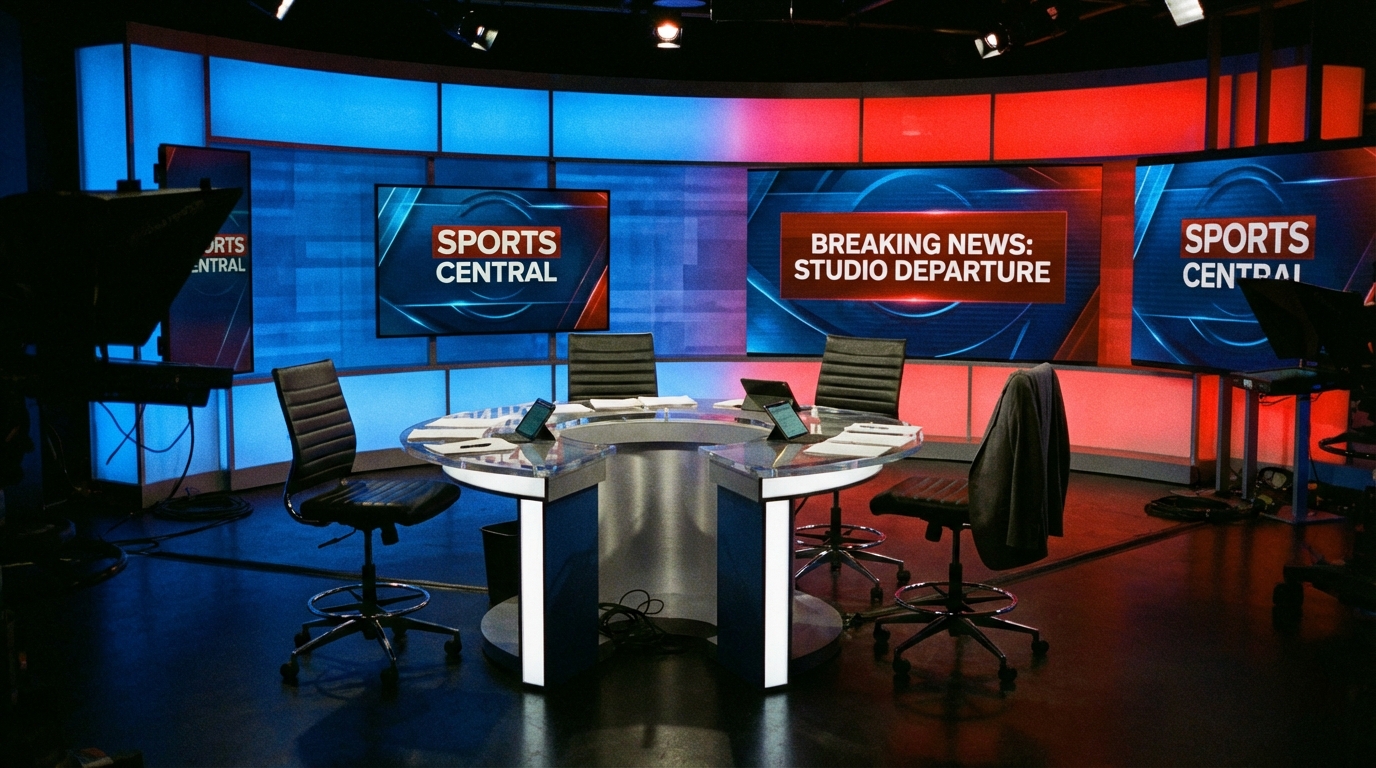
In the high-stakes theater of sports television, silence is rarely an option, yet for nearly two years, a specific silence has loomed over Bristol, Connecticut. It concerned the sudden and unexplained exit of a key fixture from the First Take desk, a departure that rattled the ecosystem of morning debate shows. For a long time, the industry operated on whispers and Reddit threads, speculating on broken alliances and ego clashes. But the silence broke this week. Stephen A. Smith, the undisputed face of ESPN and perhaps the most powerful voice in American sports media, finally pulled back the curtain. His revelation wasn’t just a clearing of the air; it was a masterclass in narrative control, demonstrating once again why he remains the last titan standing in a crumbling cable landscape.
Smith’s disclosure, delivered with his trademark cadence but a surprising amount of solemnity, reframes a controversy that many assumed was a simple case of “irreconcilable differences.” According to the man himself, the split was never about the heat of the debate, but the temperature of the ambition. The narrative that Smith engineered the ouster of his colleague to consolidate powera theory that has dogged him since the Max Kellerman dayswas, he insists, a fundamental misunderstanding of the trajectory of modern talent.
The Architecture of an Exit
To understand the gravity of Smith’s comments, one must first appreciate the ecosystem of First Take. It is not merely a show; it is a fiefdom. When a knight leaves the round table, it is usually because the king willed it, or because the crusade changed direction. For months, rumors swirled that the chemistry had soured, that the on-air sparring had bled into the green room. However, Smith’s recent podcast appearance paints a different picture: one of a strategic, albeit painful, uncoupling.
“We reached a point where the desk was too small for two empires,” Smith stated, addressing the elephant in the room with characteristic bluntness. He detailed how the friction wasn’t personal, but structural. His co-host wasn’t looking to win the argument anymore; she was looking to own the platform.
This aligns with the visual transformation we have seen from the former moderator in recent months. Gone are the studio blazers and the polished, corporate aesthetic of the Disney campus. As seen in recent social media campaigns and branding efforts, the pivot has been toward a rugged, authentic lifestyle branda move that Smith claims he not only foresaw but encouraged, albeit with the caveat that it could not coexist with the daily grind of a two-hour live debate show. The image of the former host, now embracing a distinct Western aesthetic, symbolizes a departure not just from a show, but from the constraints of traditional sports broadcasting.
According to a report by Yahoo Sports, Smith admitted that the decision to part ways was finalized during a private dinner in Los Angeles, far removed from the executive offices in Bristol. This detail is crucial. It confirms what industry insiders have long suspected: Smith operates with an autonomy that supersedes standard HR protocols. He didn’t just report the news of the exit; he likely brokered the terms of the release, allowing his colleague to save face while ensuring the First Take machine continued uninterrupted.
The Lifestyle Pivot and the Brand War
The revelation also sheds light on the changing nature of celebrity in sports media. The days of the “company man” or “company woman” are dead. Talent of a certain tier are no longer satisfied with a paycheck; they want equity, ownership, and a brand that transcends the ticker at the bottom of the screen. Smith noted that his former co-host’s desire to launch a lifestyle conglomerateranging from apparel to wellness productscreated a conflict of interest with the network’s rigorous exclusivity clauses.
In a detailed breakdown by NJ.com, sources close to the situation corroborated Smith’s account, suggesting that the network was unwilling to carve out the necessary time in the schedule for these outside ventures. The friction was not about basketball knowledge or debate prowess; it was about time allocation. Smith, who has successfully negotiated his own production company and podcast into his ESPN deal, essentially told his co-host that unless they could secure a “Stephen A. level” contract, the side hustle would have to remain a side hustle. When that reality set in, the exit became inevitable.
This creates a fascinating dichotomy. Smith is often criticized for holding down talent, yet here he positions himself as a realist who understood that the platform had a ceiling for anyone not named Stephen A. Smith. By framing the exit as a pursuit of “greater horizons,” he absolves himself of the “villain” role while simultaneously highlighting that no one else has the leverage he possesses.
The Vacuum of Power at ESPN
The aftermath of this departure has left a void that ESPN has struggled to fill. The rotating cast of moderators and debate partners that followed has lacked the stability of the previous era. This volatility serves Smith well; it reinforces the idea that he is the only constant. However, it also exposes a vulnerability in the network’s programming strategy. By building the entire daytime lineup around the gravity of one star, they have created a single point of failure.
Smith’s comments to Marca regarding the celebrity aspect of the split are telling. He explicitly mentioned that the “lifestyle” sector offers a longevity that sports debate does not. “You can’t scream about the Cowboys forever,” he reportedly joked, acknowledging that his former colleague’s move to a lifestyle-focused career path (mirroring the rustic, outdoor aesthetic seen in her recent rebranding) might be the smarter long-term play. This is a rare moment of vulnerability from Smith, an admission that the grind of the “hot take” industrial complex has an expiration date, even if he refuses to acknowledge his own.
The industry implications are profound. If top-tier talent realizes that the only way to build a personal empire is to leave the mothership, ESPN risks a brain drain. We are already seeing this with the rise of independent podcasts and YouTube channels. Smith is the exception because he forced the network to let him build his empire inside the walls. His former co-host, lacking that unparalleled leverage, had to go outside.
The Unspoken Truths of the ‘Chemistry’ Myth
For years, television executives have sold audiences on the concept of “chemistry.” They package shows based on the idea that the people on screen are a dysfunctional family that we, the viewers, are invited to observe. Smith’s revelation shatters this illusion. He effectively admitted that First Take is a business transaction. The camaraderie is professional, not personal. When the business interests diverged, the relationship ended.
This cold pragmatism is Smith’s superpower. He treats his career like a hedge fund manager treats a portfolio. Assets are acquired, leveraged, and divested based on performance and strategic alignment. The emotional falloutthe shock of the fans, the rumors in the tabloidsis just market volatility to be managed. By waiting until now to reveal the truth, he allowed the volatility to settle before rewriting the history books.
It is also worth noting the timing. Why now? Why, in February 2026, does Stephen A. Smith feel the need to revisit a chapter that most had considered closed? It is likely a preemptive strike. With contract negotiations always looming and the media landscape shifting toward direct-to-consumer models, Smith needs to ensure his reputation as a benevolent kingmaker remains intact. He cannot afford to be seen as the tyrant who fires anyone who shines too brightly. By framing the exit as a mutual decision based on his co-host’s success, he polishes his own legacy.
Conclusion: The Last Word
As the dust settles on this “confession,” one thing remains clear: Stephen A. Smith is playing a different game than everyone else. He has successfully transformed a potential PR crisis into a testament to his own mentorship and business acumen. He has taken a story about a high-profile departure and turned it into a story about his own magnanimity.
The former co-host, now free to pursue the cowboy-hat-wearing, fence-leaning aesthetic of her new brand, has likely found peace away from the screaming matches of Bristol. But for Smith, the show goes on. He remains the center of gravity, the sun around which all other sports media planets orbit. He has revealed the why, but the howhow he manages to stay on top while everyone around him eventually exits stage leftremains the true secret of his success.
Frequently Asked Questions
Q: Did Stephen A. Smith have the power to fire his co-host? A: While Stephen A. Smith is not an executive in title, his influence at ESPN is paramount. His contract grants him significant input on casting and creative direction for First Take. While he may not sign the termination papers, his refusal to work with a partner effectively ends their tenure on the show.
Q: What is the “lifestyle pivot” mentioned regarding the former co-host? A: The former co-host left to pursue a career outside of sports journalism, focusing on a lifestyle brand that encompasses wellness, fashion, and outdoor living. This shift allowed for greater commercial freedom than ESPN’s strict journalistic standards permitted.
Q: How has First Take performed since the departure? A: Ratings have remained strong, largely due to Smith’s loyal fanbase and the rotation of high-profile guests like Shannon Sharpe and Chris Russo. However, critics argue the show lacks the consistent rhythm it had during previous eras.
Q: Is Stephen A. Smith planning to leave ESPN soon? A: Rumors of Smith’s departure surface regularly, usually coinciding with contract negotiations. However, he has recently expanded his role to include non-sports commentary and production, suggesting he intends to leverage the ESPN platform for as long as it serves his broader media ambitions.