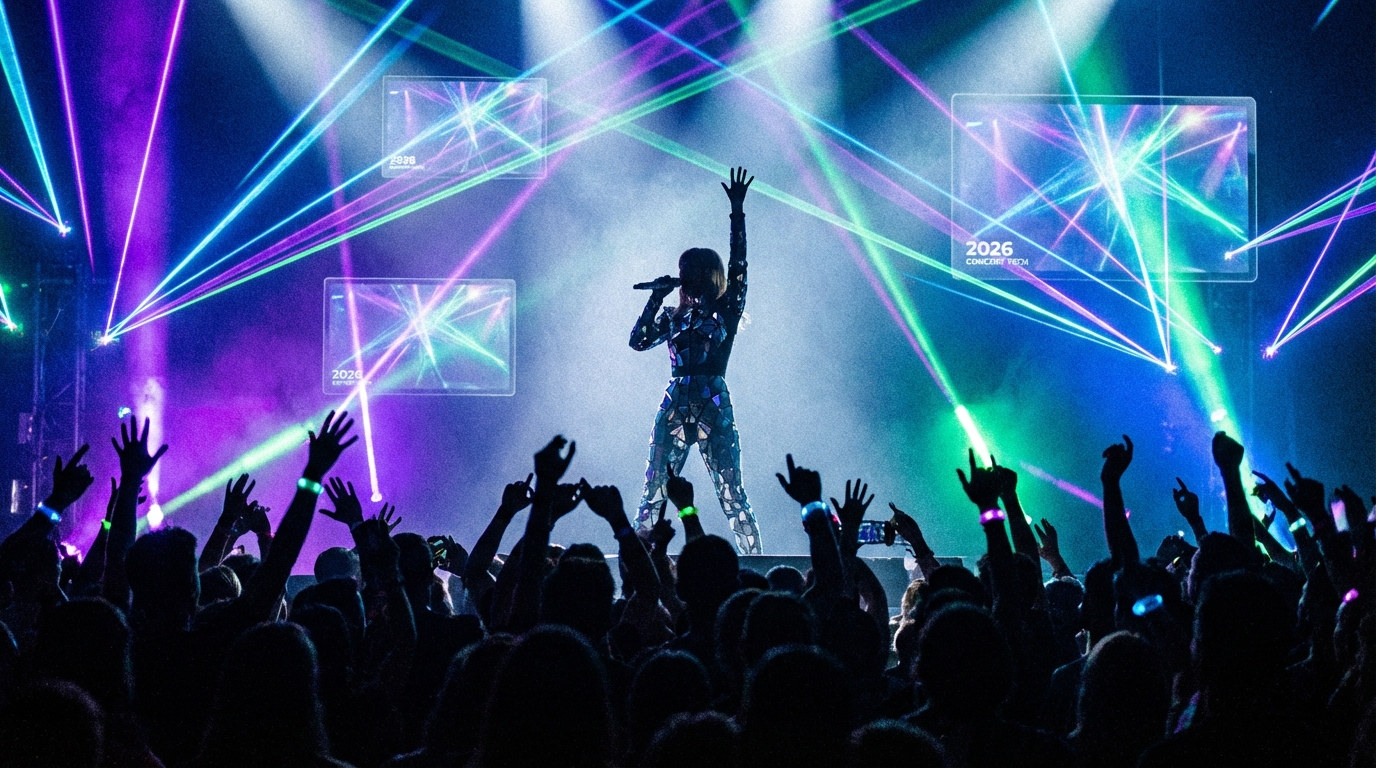
Hilary Duff Tickets: Inside the 2026 Lucky Me Tour Frenzy
The Metamorphosis of Nostalgia: Inside the Frenzy for the 2026 Return
It has been over a decade since the pop culture landscape felt the specific seismic shift that Hilary Duff is currently orchestrating. For years, the industry whispered about a return, but the reality has arrived with the force of a gale. The announcement of the 2026 “Lucky Me” World Toursometimes referred to in early promotional materials as the “Luck or Something” tourhas done more than just excite a fanbase; it has exposed the raw nerves of the modern live music economy. As millions of fans scramble to secure hilary duff tickets, we are witnessing a case study in how legacy acts are leveraging scarcity, nostalgia, and sophisticated digital marketing to dominate the cultural conversation.
This is not merely a concert series; it is a stress test for the ticketing infrastructure that has plagued consumers since the post-pandemic return to live events. Duff, an artist who defined the early 2000s for a specific demographic, is now commanding the kind of logistical attention usually reserved for stadium giants. The question is no longer just about the musicit is about who gets access, at what cost, and why we are so willing to pay it.
The Anatomy of the “Lucky Me” Comeback
The timing of this resurgence is calculated with surgical precision. Following the quiet success of her television endeavors in the early 2020s, Duff has pivoted back to her musical roots at a moment when the appetite for Y2K authenticity is at its zenith. According to reports from The Music Universe, the tour is designed to support her sixth studio album, a project that promises to blend the synth-pop sensibilities of Breathe In. Breathe Out. with a more mature, lyrical introspection.
What makes this rollout distinct is the immediate expansion of the itinerary. Initially teased as a limited North American run, the demand necessitated a rapid evolution into a full-blown world tour. This expansion speaks to a latent global fanbase that has remained dormant but solvent. The setlist, revealed alongside the album tracks, suggests a production that acknowledges the pastyes, “So Yesterday” is therewhile aggressively pushing the new material. This is not a farewell loop; it is a reintroduction.
However, the artistic merit of the comeback is almost secondary to the mechanics of its consumption. The industry is watching closely because Duff’s team is employing a hybrid release strategy. By dropping the album tracklisting simultaneously with the tour dates, they have created a vertically integrated hype cycle that forces fans to engage with the new music to understand the context of the live show.
The Algorithmic Gatekeepers of Entry
The true story of this tour, however, lies in the digital trenches of the ticketing platforms. The process of acquiring seats for the “Lucky Me” tour has highlighted the increasingly hostile environment of ticket sales. As detailed by SheKnows, the strategy involves a labyrinth of presale codes, credit card exclusives, and the controversial “Verified Fan” systems. These mechanisms, ostensibly designed to thwart bots, often end up pitting genuine fans against algorithms that prioritize speed and internet connection stability over loyalty.
We are seeing a repeat of the dynamic pricing controversies that have marred previous major tours. Prices for the 2026 dates have fluctuated wildly based on real-time demand. A seat that might have been reasonable during the first ten minutes of a presale can double in price by the time a user reaches checkout. This is the commodification of anxiety. The “Lucky Me” branding is ironic in this context; luck is indeed the primary currency required to navigate the queues.
The friction is not accidental. In the modern concert economy, friction creates value. The harder it is to get a ticket, the more social capital is gained by possessing one. Duff’s management is well aware that the narrative of “sold-out shows” is a powerful marketing tool in itself. By allowing the initial wave of sales to descend into managed chaos, they ensure that the secondary market stays hot, keeping the tour in the headlines for weeks rather than days.
Economic Impact of the Millennial Dollar
To understand the fervor, one must look at the demographics. The primary consumers of this tour are Millennials, a generation now entering their peak earning years. Unlike the teenage fans of 2003 who relied on parental allowances, the 2026 attendee has disposable income and a profound desire to reclaim the optimism of their youth. This is the “Nostalgia Economy” in action.
Data indicates that legacy acts targeting this specific 25-40 age bracket are seeing higher yield per ticket than contemporary pop acts. Why? Because this demographic buys the VIP packages. They pay for the better parking. They purchase the limited-edition vinyl at the merch stand. Duff’s team has capitalized on this by offering tiered experiences that go far beyond a simple seat. The “Metamorphosis” VIP packages, for instance, are commanding prices that rival mortgage payments, yet they are the first to sell out.
This economic injection extends to local economies as well. A tour stop is no longer just a night out; it is a hospitality event. Hotels in host cities are seeing bookings spike around the announced dates, a phenomenon famously dubbed the “Swiftonomics” effect, now being replicated on a slightly smaller but significant scale by Duff. The cultural footprint of the Lizzie McGuire generation is proving to be a formidable economic engine.
Global Logistics and the “Luck or Something” Expansion
The scope of the tour has grown rapidly. As noted by USA Today, the “Luck or Something” 2026 World Tour has added legs in Europe and Australia faster than anticipated. This logistical pivot is risky. Touring post-2025 involves high overhead costsfreight, insurance, and labor have all skyrocketed. For a tour to expand this aggressively, the financial guarantees from promoters must be substantial.
The international leg also serves a strategic purpose for the new album. While Duff is a household name in the US, her chart performance in markets like the UK and Japan has historically been mixed. A successful global trek re-establishes her as an international pop entity rather than just an American TV star. The production values described in early leaks suggest a show built for arenas, utilizing modular staging that can be transported efficiently across continentsa necessity for maintaining profit margins in a high-inflation global economy.
The Reality of the Resale Market
Perhaps the most investigative aspect of this column must address the secondary market. Within hours of the presale launch, tickets were appearing on resale sites with markups exceeding 300%. This ecosystem of scalping is sustained by the very platforms that claim to fight it. While the “Verified Fan” system limits some bot activity, it does little to stop “prosumer” scalpersindividuals who buy the maximum allowance with the sole intent of flipping them.
For the average fan, this means the face value of a ticket is a myth. The real price is whatever the market dictates on a Tuesday morning three months before the show. This reality creates a barrier to entry that privileges the wealthy, slowly altering the demographic makeup of the crowd. The front rows, once filled by the most dedicated fans who camped out, are now populated by those with the highest credit limits.
Conclusion: The Price of a Memory
As the dust settles on the initial on-sale dates, the narrative of Hilary Duff’s return is one of overwhelming success tempered by consumer frustration. The 2026 tour is poised to be one of the year’s highest-grossing ventures, proving that the star’s appeal has endured the transition from teen idol to industry veteran. However, the battle for hilary duff tickets serves as a stark reminder of the broken state of live entertainment access.
We are living in an era where the connection between artist and fan is increasingly mediated by algorithms and dynamic pricing models. For the thousands who secured their spots, the “Lucky Me” tour will likely be a euphoric trip down memory lane. For the thousands left in the queue, it is another lesson in the harsh economics of modern fandom. The music may be about love and self-discovery, but the business is strictly supply and demand.
Frequently Asked Questions
Q: How can I improve my chances of getting tickets during a restock? A: Monitor the official venue social media accounts rather than just the artist’s page. Venues often release “production holds” (seats previously reserved for equipment or VIPs) 24 to 48 hours before the show. Additionally, keep an eye on verified resale platforms on the day of the event, as prices often drop as desperate sellers try to offload inventory.
Q: What is included in the VIP packages for the 2026 tour? A: While specifics vary by venue, the top-tier packages generally include premium reserved seating (often within the first 10 rows), exclusive merchandise not available at the standard stands, a commemorative laminate, and early entry to the venue. Note that unlike some previous eras, meet-and-greets are rarely included in standard VIP tiers anymore due to health and safety protocols.
Q: Will the setlist focus only on the new album? A: No. Based on early press releases and the “Luck or Something” branding, the show is structured as a career retrospective. Expect a heavy dose of hits from Metamorphosis and Most Wanted, interwoven with tracks from the new sixth studio album. The goal is to balance nostalgia with the promotion of her current artistic direction.
References
- USA Today: Hilary Duff ‘Luck or Something’ 2026 World Tour Tickets
- The Music Universe: Hilary Duff Expands Lucky Me Tour
- SheKnows: How to Buy Hilary Duff Lucky Me Tour Tickets