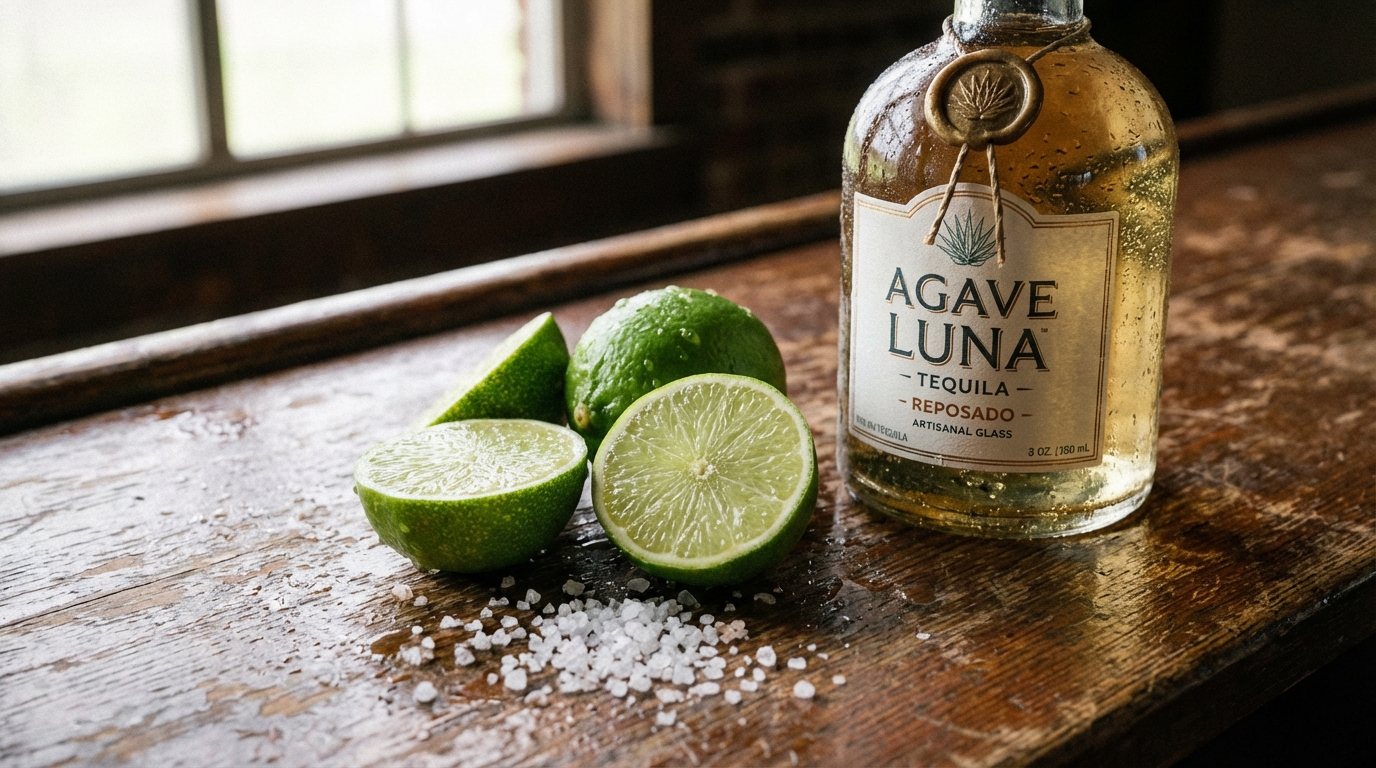
National Margarita Day 2026: Trends and Premium Spirits
The calendar may say late February, but for the hospitality industry and cocktail enthusiasts across the United States, the forecast calls for tequila, lime, and salt. National margarita day has evolved from a quirky marketing footnote into a genuine cultural phenomenon and a critical revenue driver for bars and restaurants emerging from the winter slump. It is a day that celebrates not just a drink, but a specific kind of American escapisma promise of warmer weather delivered in a salted rim glass. As we approach the 2026 celebration, the narrative surrounding this cocktail has shifted significantly from volume consumption to a focus on artisanal ingredients, premium spirits, and precise technique.
TL;DR
- Premiumization is King: Consumers are increasingly trading up for 100% agave tequila and fresh juices, rejecting sugary pre-made mixes.
- Economic Spike: For bars and restaurants, this holiday serves as a vital bridge between the Super Bowl and St. Patrick’s Day.
- Regional Pride: Cities like Austin, Texas, treat the event as a major local festival with competitive specials.
- Home Mixology: The trend of replicating high-end bar recipes at home continues to grow, driven by accessible expert advice.
The Chemistry of the Perfect Pour
For decades, the margarita suffered from an identity crisis, often reduced to a neon-green slush churned out of industrial machines. However, a renaissance in cocktail culture has restored the drink to its sophisticated roots. The modern consumer is far more educated about what goes into their glass, demanding transparency regarding the tequila’s origin and the freshness of the citrus.
According to industry experts cited by Forbes, the secret to the perfect margarita lies in simplicity and ratio. The consensus among top mixologists is a strict adherence to the 2:1:1 formulatwo parts tequila, one part lime juice, and one part sweetener, typically Cointreau or agave nectar. The report highlights that the choice of orange liqueur is often the make-or-break factor; lower-quality triple sec can introduce an artificial burn that ruins the balance of even the finest tequila. This move toward “clean” ingredients reflects a broader culinary trend where patrons prioritize flavor profiles over sugar content.
A Tale of Two Cities: Local Economies and Global Toasts
While the holiday is celebrated nationwide, certain regions have adopted it with a fervor that borders on religious observance. In Texas, the margarita is less a cocktail and more a state symbol. The economic impact in these hubs is substantial, with venues planning their inventory weeks in advance to meet the surge in demand.
Reporting from The Statesman reveals the intensity of the scene in Austin, where national margarita day sparks fierce competition among local establishments. Venues are not merely discounting drinks; they are curating experiences. From flights of rare mezcal to spicy variations incorporating jalapeno and habanero, the goal is to stand out in a saturated market. The article notes that in 2026, the trend in Austin has leaned heavily toward “ranch water” hybrids and skinny variations, catering to health-conscious drinkers who still want to participate in the festivities.
It is also worth noting that while the US celebrates in February, the appreciation for agave spirits is a global affair. As noted by The Shout, International Margarita Day often falls on a different timeline depending on the region, yet the underlying driver remains the same: the exploding popularity of tequila exports. The spirit has seen unprecedented growth in markets like Australia and Europe, tracing the footsteps of the American obsession.
Comparison Table: Choosing Your Style
With so many variations available, consumers often face paralysis of choice. The following breakdown analyzes the most popular iterations of the drink.
| Option | Best for | Pros | Cons | Pricing/Cost |
|---|---|---|---|---|
| Classic Rocks | Purists and tequila lovers | Highlights the quality of the spirit; balanced flavor profile. | Can be too tart for those used to mixes; dilution if drunk slowly. | $$ - $$$ |
| Frozen | Patio drinking and heatwaves | Refreshing; masks the burn of cheaper tequila; stays cold longer. | Often high in sugar; “brain freeze”; difficult to taste spirit nuances. | $ - $$ |
| Spicy (Jalapeno) | Adventurous palates | Complex flavor; heat cuts through the sweetness/sourness. | Can be overpowering; inconsistent heat levels between bars. | $$ - $$$ |
| Skinny | Calorie-conscious drinkers | Lower sugar; fresh lime forward; lighter on the stomach. | Can taste “thin” or watery; lacks the mouthfeel of orange liqueur. | $$ |
The Home Bartender’s Renaissance
The pandemic era permanently altered how Americans consume alcohol, creating a permanent class of home bartenders who are no longer intimidated by a shaker tin. The accessibility of high-quality ingredients at local grocery stores means that the gap between a bar-made drink and a home-made one has narrowed.
However, making a drink for one is different than hosting a party. The image of the bartender pouring multiple drinks simultaneously is a reminder of the labor intensity involved in fresh cocktails. For those hosting gatherings, experts suggest batching the lime juice and tequila in advance but holding the ice until the moment of service to prevent dilution. This method allows hosts to enjoy their own party rather than being stuck behind the counter squeezing limes all night.
Pros and Cons of the Celebration
Dining Out
- Pros: Access to premium tequila libraries; professional execution; social atmosphere; no cleanup required.
- Cons: Crowded venues; higher price per drink; potential for slower service during peak holiday hours.
Staying In
- Pros: Complete control over ingredients (and strength); significantly lower cost per drink; safety (no driving required).
- Cons: Labor intensive preparation; initial cost of buying full bottles; lack of social energy found in bars.
FAQ
Q: When exactly is the holiday celebrated? A: The holiday is celebrated annually on February 22nd. It serves as a mid-winter boost for the hospitality industry.
Q: What is the difference between a skinny margarita and a regular one? A: A classic margarita uses orange liqueur (like Triple Sec or Cointreau) and sometimes simple syrup. A skinny margarita typically omits the orange liqueur and extra sugar, relying solely on tequila, fresh lime juice, and a small amount of agave nectar.
Q: Is silver or reposado tequila better for mixing? A: Most bartenders prefer Silver (Blanco) tequila for margaritas because its unaged, crisp profile cuts through the citrus. Reposado, which is aged in oak, adds vanilla notes that can clash with the lime, though some prefer it for a smoother, heavier drink.
Q: Why is salt used on the rim? A: Salt is not just for decoration; it suppresses bitterness and enhances the sweet and sour flavors of the drink. It acts as a flavor bridge between the acidity of the lime and the floral notes of the tequila.
The Last Sip
As the sun sets on another February 22nd, the endurance of this cocktail is evident. It has survived trends, economic downturns, and changing palates to remain the undisputed champion of American happy hours. Whether you are navigating the crowded bars of Austin or carefully measuring ounces in your own kitchen, national margarita day offers a collective moment of respite. It is a reminder that sometimes, the best solution to the winter blues is a little bit of salt and a lot of lime.
References
- Forbes: How To Make The Perfect Margarita According To Industry Pros
- Statesman: Best Margaritas Austin National Margarita Day
- The Shout: Salud! Sunday is International Margarita Day