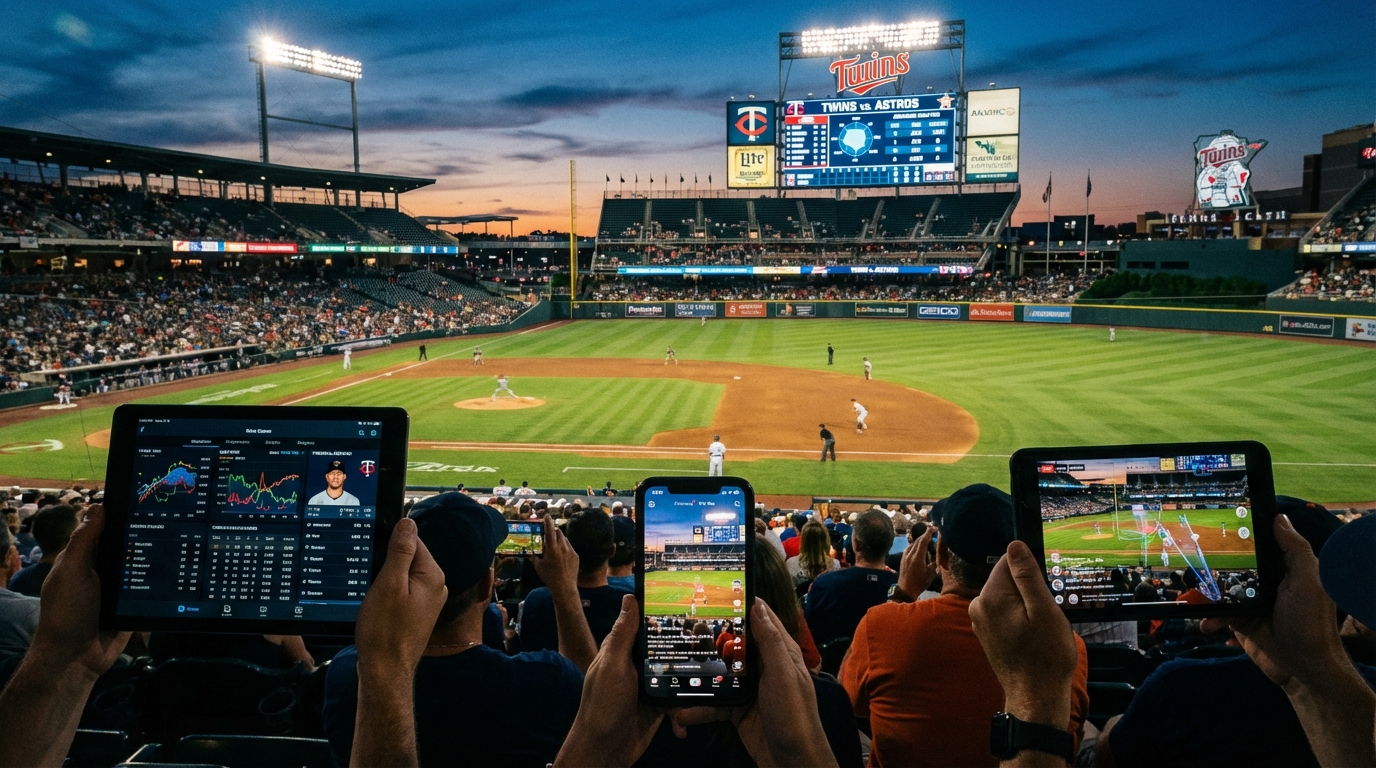
MLB TV in 2026: Analyzing MLB Plus and New Streaming Tiers
The smell of fresh-cut grass in February is a sensory tradition, but in 2026, the way we consume the visuals accompanying that scent has fundamentally altered. As pitchers and catchers report to Arizona and Florida, the conversation isn’t just about rotation depth or rookie prospects; it is about the digital pipeline delivering the game to our living rooms. For years, mlb tv has been the gold standard for out-of-market fans, a lifeline for the displaced loyalist. However, the 2026 season marks a pivotal fracture in that continuity with the aggressive rollout of tiered viewing experiences and the high-stakes debut of MLB Plus.
We are witnessing the maturation of the streaming wars, moving from a phase of acquisition to one of extraction. The league’s strategy, as we enter this new campaign, is clearly focused on hyper-segmentation of the fanbase. The question for the consumer is no longer just “how do I watch my team?” but rather “how much data, access, and latency am I willing to pay for?” This column dissects the new reality of baseball broadcasting, utilizing early reports from Spring Training to forecast the user experience for the long summer ahead.
TL;DR
- New Tiered System: The 2026 season introduces “MLB Plus,” a premium add-on offering enhanced data overlays and lower latency compared to the standard package.
- Spring Training Testing: Early games are being used to beta-test new camera angles and audio features that will define the regular season broadcast.
- Blackout Persistence: Despite technological leaps, regional sports network (RSN) contracts continue to enforce blackout restrictions in many local markets.
- Cost vs. Value: The fragmentation of services means hardcore fans may pay more for a comprehensive experience than in previous years.
- Tech Integration: Enhanced integration with betting platforms and real-time advanced analytics is a primary selling point for the new premium tiers.
Comparison table
| Option | Best for | Pros | Cons | Pricing/Cost |
|---|---|---|---|---|
| MLB.TV (Standard) | Out-of-market fans | Access to all out-of-market games; reliable infrastructure; multi-device support. | Local blackouts apply; standard latency; lacks premium data overlays. | Mid-tier subscription |
| MLB Plus (2026) | Hardcore analysts & bettors | Zero-latency feeds; Statcast AI integration; multiview options; exclusive dugout audio. | Higher price point; still subject to some regional restrictions; requires high-bandwidth internet. | Premium subscription |
| Cable / RSN | Local traditionalists | No local blackouts; traditional broadcast feel; bundled with other channels. | Expensive equipment rental; tied to physical location; limited mobile flexibility. | High (bundled) |
| Team-Specific DTC | Single-team loyalists | Cheaper than league-wide pass; focuses solely on your team. | No access to league-wide narratives; blackout rules vary by region. | Low-tier subscription |
The Rise of MLB Plus and the Data War
The most significant development for the 2026 season is the bifurcation of the streaming product. According to the league’s unveiling of the 2026 season initiatives, MLB Plus is not merely a rebranding but a functional overhaul designed for a younger, data-hungry demographic. While the standard mlb tv package remains the vehicle for watching the game, Plus is the vehicle for analyzing it in real-time. This distinction is crucial. The league has recognized that the passive viewer and the active participant (fantasy players, bettors, amateur scouts) have divergent needs.
In previous years, advanced metrics like exit velocity and catch probability were interesting trivia pop-ups. In the 2026 iteration of MLB Plus, they are customizable overlays. The investigative angle here is the monetization of latency. Reports suggest that the “Plus” tier offers a “zero-latency” feed, significantly faster than the standard stream which often lags 30-45 seconds behind live action. This latency gap is not just a nuisance; in an era of micro-betting, it is a market inefficiency that the league is now selling as a premium feature.
Spring Training: The Sandbox for Innovation
Spring Training has always been a time for optimism, but in 2026, it serves as a massive beta test for broadcast technology. As noted in coverage regarding Spring Training storylines, the Grapefruit and Cactus Leagues are showcasing more than just non-roster invitees. We are seeing the first implementation of umpire-cam integration and biometric data feeds from willing players.
Watching the early games, one notices a distinct shift in production philosophy. The focus has moved from the wide-angle shot of the field to intimate, almost invasive access. This aligns with the “One thing to watch” narrative coming out of league offices: the personalization of the viewing experience. Fans can now toggle between broadcast boothshome, away, or a data-centric “stat-cast” boothputting the editorial control in the hands of the subscriber.
However, this innovation comes with a caveat. The disparity between the high-definition, data-rich streams of high-profile Spring Training games and the single-camera setups for lesser matchups highlights the infrastructure gap. While the technology exists, its uniform application across 2,430 regular-season games remains a logistical mountain the league is still climbing.
Pros and cons
Pros
- Customization: The 2026 interface allows users to strip away graphics for a clean look or overload the screen with Sabermetrics.
- Portability: The app ecosystem has improved, with seamless handoffs between mobile, tablet, and smart TV apps.
- Archive Depth: The library of classic games and condensed game formats continues to be the best in professional sports.
- Audio Options: The ability to overlay radio audio over the TV broadcast remains a beloved feature for purists.
Cons
- Blackout Frustrations: Despite years of complaints, local blackout restrictions remain the single biggest hurdle for cord-cutters in home markets.
- Subscription Fatigue: Separating features into “Plus” and “Standard” tiers feels like a price hike disguised as innovation.
- Bandwidth Heaviness: The new 4K and data-heavy streams require significant internet speeds, alienating fans in rural areas with slower connections.
- Audio Sync Issues: Early user reports from Spring Training indicate occasional desynchronization when switching between camera angles.
The Blackout Elephant in the Room
No column on baseball streaming is complete without addressing the persistent issue of blackouts. In 2026, the situation has evolved but not resolved. While the direct-to-consumer (DTC) models have launched for several teams, allowing in-market streaming without a cable subscription, the patchwork nature of these rights is confusing. A fan living in Iowa, for example, may still find themselves blacked out from six different teams due to archaic territorial claims, despite paying for a premium mlb tv subscription.
The introduction of MLB Plus does little to solve this legal quagmire. It enhances the product you can watch, but it does not unlock the doors to the games you cannot. This disconnect between product quality and product accessibility is the central tension of the 2026 season. The league is building a Ferrari of a streaming service but driving it on roads riddled with potholes of legal exclusivity.
Furthermore, the fragmentation of national broadcasts adds another layer of complexity. With games spread across various streaming platforms and cable networks, the “all-in-one” promise of MLB.TV is diluted. Fans must navigate a labyrinth of apps to follow a single season, a user friction point that the sleek interface of MLB Plus cannot smooth over.
FAQ
Q: Does the new MLB Plus tier eliminate local blackouts? A: No. MLB Plus adds features like enhanced data, lower latency, and alternative camera angles, but it does not override regional broadcast rights. If you live in your team’s home market, you will likely still need a specific team DTC subscription or a cable package, unless specific local rights have been renegotiated.
Q: Can I watch Spring Training games on the standard tier? A: Yes, most televised Spring Training games are available on the standard tier. However, the new “stat-cast” alternate feeds and specific dugout audio features may be locked behind the Plus paywall during the exhibition season to drive upsells before Opening Day.
Q: Is the latency on MLB Plus actually noticeable? A: Early tests suggest a significant improvement. Standard streaming often lags 30-60 seconds behind reality. The Plus tier targets “near-live” latency, which is critical for fans who engage in live betting or follow social media in real-time to avoid spoilers.
Q: Will my subscription price increase in 2026? A: It depends on your package. The base tier has seen a modest inflation adjustment, but the introduction of the Plus tier creates a higher price ceiling for those wanting the full suite of features. Check your auto-renewal settings to see which tier you have been defaulted into.
Conclusion
As we settle in for the 2026 season, the verdict on the state of baseball streaming is mixed. The technology is undeniably impressive; the ability to tailor the broadcast to one’s analytical depth is a dream realized for the Sabermetrics generation. However, the business model surrounding these innovations continues to test the loyalty of the average consumer. mlb tv remains a vital tool for the sport’s ecosystem, connecting the diaspora of fans to their hometown clubs. Yet, until the labyrinth of blackouts and fragmented rights is fully dismantled, the service will feel like a glimpse of the future held back by the contracts of the past. For now, we watch, we stream, and we pay, hoping that one day the access will be as seamless as the double play we just watched in 4K.