Rose Byrne Earns 2026 Oscar Nomination for Fallen Angels
It has taken decades of quiet consistency, scene-stealing support roles, and a masterclass in genre-hopping, but the moment has finally arrived. As the dust settles on the nominations for the 2026 Academy Awards, one name stands out not for the shock of its inclusion, but for the overdue nature of its arrival: Rose Byrne. For years, Byrne has been the industry’s secret weaponthe actress you hire to elevate a comedy, ground a horror film, or bring nuance to a legal thriller. Now, with her searing performance in the film adaptation of Fallen Angels, she has ceased to be the weapon and has become the war itself.
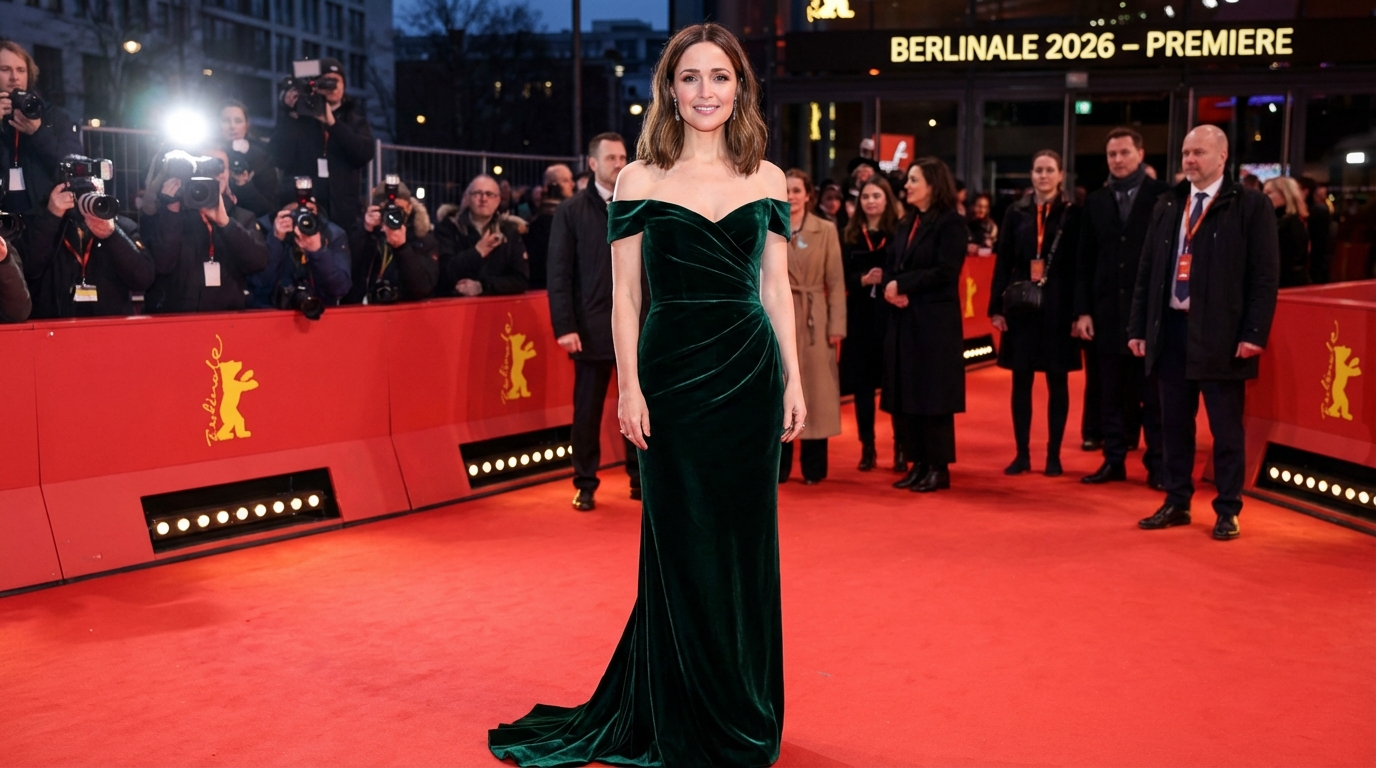
This year’s Oscar race is crowded, yet Byrne’s narrative is the one capturing the imagination of voters and audiences alike. It is a story of persistence and the refusal to be boxed into a single archetype. While the tabloids focus on the red carpet glamour, the real story lies in how an Australian character actress successfully navigated the treacherous waters of Hollywood typecasting to emerge, in her mid-40s, as a definitive leading lady of cinema.
The Anatomy of a Breakthrough
The catalyst for this current fervor is, undeniably, Fallen Angels. The project, which bridges the gap between theatrical intensity and cinematic scope, required an actor capable of projecting fragility and iron-clad resilience simultaneously. Critics have noted that Byrne’s performance is not just acting; it is an act of excavation, digging into the psyche of a woman on the edge.
According to a recent profile by The New York Times, Byrne’s preparation for the role was heavily influenced by her return to theater methodologies. The article highlights how her oscillation between Broadway and Hollywood provided the stamina required for the film’s grueling long takes. Unlike many of her contemporaries who rely on the editing room to save a performance, Byrne brought a stage actor’s discipline to the set, reportedly performing ten-minute monologues without a single cut. This dedication has forced the Academy, a body that often favors flashy transformations over technical precision, to pay attention.
The Chameleon Paradox
To understand why this nomination feels so momentous, one must investigate the “Chameleon Paradox” that has defined Byrne’s career. For years, her ability to disappear into a role actually worked against her star power. In Damages, she held her own against Glenn Close, a feat that should have minted her as a dramatic superstar immediately. Yet, she pivoted, showcasing brilliant comedic timing in Bridesmaids and Spy.
In Hollywood, versatility can be a curse. Producers often struggle to market an actor who cannot be easily summarized in a logline. Is she the funny best friend? The grieving mother? The ruthless lawyer? Rose Byrne is all of them, and for a long time, the industry didn’t know where to place her on the poster. It wasn’t until the streaming era, specifically her physically demanding role in Physical, that audiences began to see the connective tissue between her comedic and dramatic chops. That role served as the precursor to her current Oscar success, proving she could carry a narrative entirely on her own shoulders.
A Global Identity
Beyond the mechanics of acting, there is a personal evolution at play. Byrne has always maintained a level of privacy that is rare for someone of her stature, but the 2026 awards season has seen her open up more about her heritage and identity. The narrative of the “Australian actress” has expanded to include her deeper roots.
In a touching piece by The Irish Times, Byrne discussed the emotional resonance of her success across the Atlantic. “When I go through passport control in Ireland, they say ‘welcome home’,” she noted, reflecting on her Irish ancestry. This sentiment is not merely anecdotal; it speaks to her grounded nature. Unlike the untouchable Hollywood deity, Byrne retains a global, relatable quality that appeals to voters who are increasingly weary of manufactured celebrity personas. She bridges the gap between the refined British/Irish acting tradition and the commercial appeal of American cinema.
The Interview That Changed the Narrative
While her work speaks for itself, the campaign for an Oscar requires visibility. In a candid and extended sit-down with CBS News, Byrne dismantled the myth of the “overnight success.” She spoke frankly about the years of near-misses and the roles she fought for but didn’t get.
This interview was pivotal for her 2026 campaign because it humanized the struggle of maintaining relevance in an industry obsessed with youth. Byrne highlighted that her current peak is not a result of luck, but of a deliberate choice to seek out “uncomfortable” material. She detailed how Fallen Angels terrified her initially, a fear she used to fuel the character’s anxiety. This level of transparency has endeared her to the acting branch of the Academy, who recognize the grit behind the glamour.
Breaking the Comedy Ceiling
One of the most significant aspects of Byrne’s 2026 rise is her successful dismantling of the bias against comedic actors in serious awards conversations. History has shown that the Academy rarely rewards those known for making people laugh, viewing comedy as “easier” than drama. Byrne has spent the last decade proving that the rhythm of comedythe precise timing, the physical awarenessis exactly what makes her dramatic work so compelling.
In Fallen Angels, there are moments of dark humor that would fall flat in the hands of a purely dramatic actor. Byrne knows how to play the absurdity of tragedy. This skill set is rare. It is what separates a good performance from an iconic one. By bringing a comedian’s timing to a tragedian’s script, she has created a character that feels messily, confusingly human, rather than a polished dramatic construct.
The Future of the Leading Lady
What does Rose Byrne’s success mean for the industry at large? It signals a potential shift in what Hollywood values in its leading women. We are seeing a move away from the “It Girl” phenomenon toward a respect for the “It Woman”actresses with decades of experience who bring a depth of life history to the screen.
Byrne’s trajectory offers a blueprint for longevity. She did not burn out in her 20s or get pigeonholed in her 30s. She diversified. She worked in television when it was considered a step down, and she returned to the stage when she needed to sharpen her tools. Now, in 2026, she is reaping the dividends of that investment.
Frequently Asked Questions
What movie is Rose Byrne nominated for in 2026? Rose Byrne is nominated for Best Actress for her role in Fallen Angels, a dramatic film that has garnered critical acclaim for its intensity and Byrne’s standout performance.
Has Rose Byrne won an Oscar before? No, despite a prolific career and critical success in projects like Bridesmaids and Damages, this marks her most significant recognition by the Academy to date as a leading contender.
Is Rose Byrne Australian or Irish? Rose Byrne is Australian, born in Balmain, New South Wales. However, she has strong Irish ancestry and has frequently spoken about her connection to Ireland, often referring to it as a second home.
What makes her performance in Fallen Angels unique? Critics point to her blend of theatrical discipline and cinematic subtlety. Drawing on her stage background, she utilizes long, uninterrupted takes to build emotional tension, a technique that distinguishes her performance from her competitors.
Conclusion
As the ceremony draws near, the outcome remains uncertain, but the verdict on Rose Byrne is already in. She has successfully transitioned from the industry’s most reliable supporting player to its most compelling lead. Whether or not she takes home the statue, her work in Fallen Angels has redefined her career parameters. She has proven that in a town obsessed with the new, there is no substitute for the undeniable power of experience, craft, and the courage to evolve.