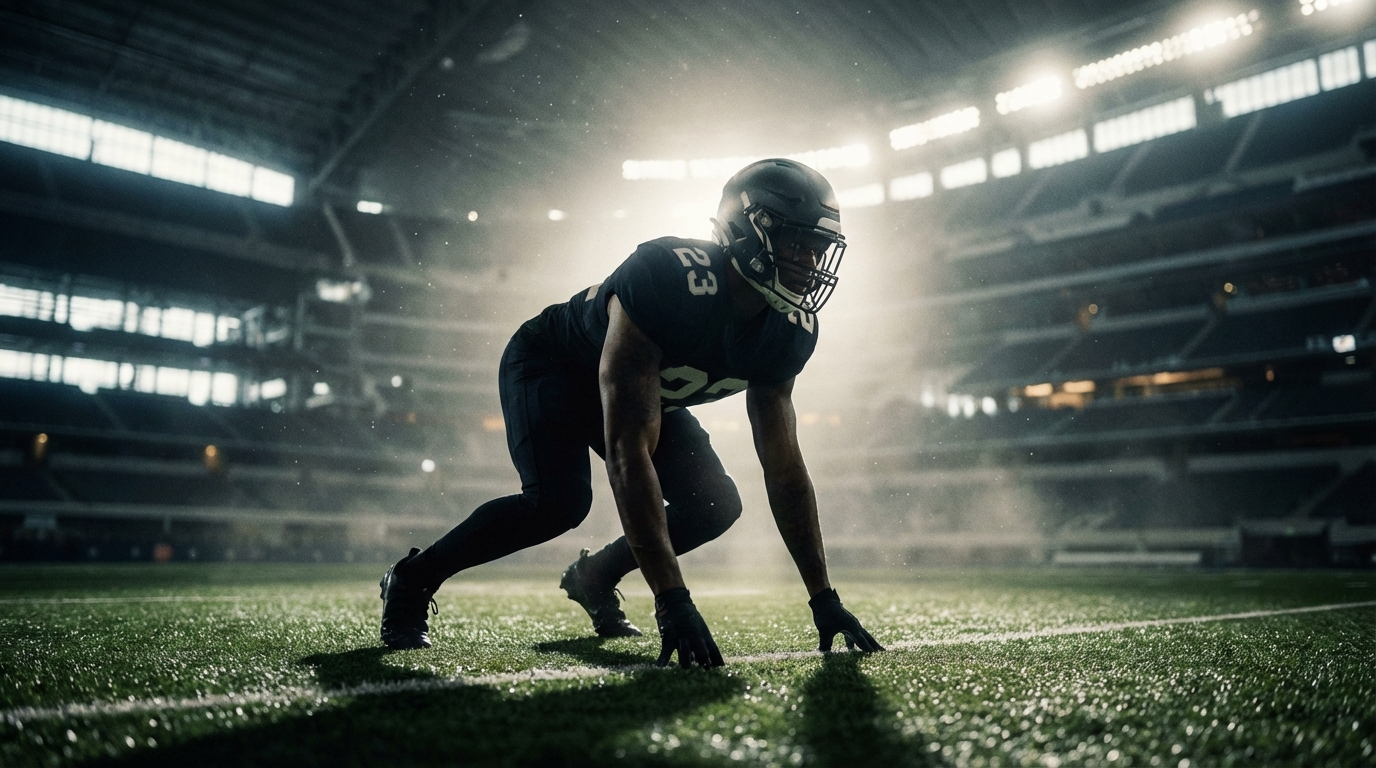
2026 NFL Combine: Analytics, Medicals, and Draft Impact
The lights inside Lucas Oil Stadium seem to burn brighter every year, illuminating the strange, high-stakes paradox that is the NFL Combine. What began decades ago as a centralized medical checkup has mutated into a made-for-television spectacle, a multi-million dollar job interview where spandex-clad athletes are dissected by the gaze of scouts, general managers, and millions of fans. As we approach the 2026 iteration of this event, the narrative has shifted. It is no longer just about who runs the fastest in a straight line; it is about who survives the gauntlet of modern analytics, psychological profiling, and the relentless scrutiny of the medical tent.
For the casual observer, the Combine is a track meet. For the investigative eye, it is the epicenter of the NFL’s shadow economya place where the future of franchises is bartered in back rooms, and where a single flagged MRI can cost a player millions. The 2026 event promises to be a watershed moment, blending the traditional “Underwear Olympics” with an era of scouting that relies more on biometric data than the naked eye.
The Analytics Siege on Lucas Oil Stadium
While the 40-yard dash remains the headline-grabber for the broadcast, the front offices arriving in Indianapolis are playing a different game. The evolution of player tracking has rendered some of the traditional drills archaic, yet they persist as benchmarks of history. However, the real story of the 2026 Combine lies in the schedule and the logistical grind imposed on the prospects. According to the schedule breakdown provided by ESPN, the event is structured to test mental endurance as much as physical prowess. The staggered arrival of position groupsdefensive linemen and linebackers first, followed by defensive backs and tight ends, and concluding with the offensive skill positionscreates a rolling pressure cooker.
Teams are now utilizing the workout sessions to validate GPS game speed rather than raw track times. A receiver might run a 4.45 on the stopwatch, but if his game film shows a deceleration entering breaks, the stopwatch lies. The 2026 class is being scrutinized through this lens of “functional athleticism.” The drills are merely confirmation; the data collected over the college season is the verdict. Yet, the spectacle must go on. The prime-time slotting of these workouts proves that the league understands the entertainment value of hope. Every fan watching believes the unknown linebacker running the cone drill is the missing piece to a Super Bowl puzzle.
The Medical Underground and the Interview Trap
If the on-field drills are the show, the medical evaluations are the business. This is the dark matter of the NFL Combineinvisible to the public but exerting the strongest gravitational pull on draft stock. Hundreds of prospects undergo rigorous physicals, often revealing injuries that were managed or masked during their collegiate careers. A flagged shoulder or a degenerative knee condition discovered in Indianapolis can drop a top-10 talent into the third round faster than a poor 40-time ever could.
Furthermore, the psychological component has taken center stage. The formal interviews are limited to 15 minutes, a brief window where general managers and coaches attempt to crack the polished facade of a prospect. As detailed in the primer by the Patriots, this process is exhaustive. Teams are looking for football intelligence, accountability, and the ability to process complex schemes on a whiteboard. In 2026, where the mental load of the NFL game is higher than ever, these face-to-face meetings are where the draft board is truly solidified. The “process” described involves not just the general manager but a collaborative effort of scouts and coordinators trying to determine if a 21-year-old can handle the pressure of a multi-million dollar franchise tag.
The Quarterback Domino Effect
The ripple effects of the Combine extend far beyond the rookie class. In the modern NFL, the performance of rookie quarterbacks in Indianapolis directly influences the veteran free agent market. It is a game of musical chairs played with salary cap space. If a team falls in love with a rookie signal-caller during the interview process or is dazzled by their throwing session, they are less likely to pursue an expensive veteran bridge option.
This dynamic is crucial for the 2026 offseason. As noted in analysis by CBS Sports, the landscape of quarterback free agency is volatile. Teams are constantly weighing the cost-benefit analysis of a proven but expensive veteran against the cheap, high-upside potential of a rookie on a four-year scale contract. A strong showing by the quarterback class at the Combine can freeze the market for veterans, forcing prices down. Conversely, if the rookie class looks raw or unprepared, the value of a mid-tier veteran starter skyrockets. The throws made in Lucas Oil Stadium are, quite literally, altering the bank accounts of veterans watching from home.
Roster Construction and the Cap
The Combine is the first true milestone of the new league year’s roster construction phase. It serves as a convention for agents and executives to lay the groundwork for upcoming contracts. While the tampering period technically hasn’t begun, the hallways and steakhouses of Indianapolis are where the parameters of deals are whispered. The synergy between the draft class and free agency needs is palpable. A team that identifies deep talent at the wide receiver position in the draft may decide to let their own free-agent receiver walk, opting for the cheaper, younger alternative.
This economic reality is what makes the NFL Combine so critical. It is a risk mitigation event. Teams are trying to minimize the variables. They measure hand size to predict ball security in cold weather; they measure arm length to predict leverage against offensive tackles; they measure cognitive processing to predict playbook retention. It is an imperfect science, fueled by anxiety and hope.
The Future of Evaluation
Looking ahead, the 2026 Combine may be one of the last of its kind in this specific format. There is a growing sentiment that the medicals should be separated from the on-field workouts to reduce the strain on athletes. However, the centralization of the event remains its greatest strength for the league. Nowhere else does the entire football world congregate for a week of pure evaluation.
As we parse through the data that will emerge from Indianapolis, it is vital to remember that we are watching a projection, not a promise. The fastest man doesn’t always win the race on Sunday, and the strongest man doesn’t always hold the block. But for one week in late winter, we suspend our disbelief and buy into the numbers. We watch the vertical jumps and the broad jumps and convince ourselves we are seeing the future of the sport. And in many ways, we are. The 2026 Combine is not just a test; it is the prologue to the next decade of the NFL.
Frequently Asked Questions
Q: Why is the medical evaluation considered more important than the drills?
A: While drills measure athleticism, medical evaluations determine longevity and investment risk. A team cannot justify spending a high draft pick on a player with a chronic condition that might shorten their career. The medical grade is often a pass/fail metric that removes players from draft boards entirely.
Q: How does the Combine affect the salary cap for teams?
A: The Combine helps teams decide where to allocate resources. If the draft class is deep at a specific position (e.g., wide receiver), a team might choose to draft a rookie on a cheap fixed contract rather than re-signing a veteran to a lucrative deal, saving millions in cap space.
Q: Do the interview scores actually matter?
A: Absolutely. The interviews assess a player’s ability to handle the mental rigors of the NFL, their leadership qualities, and their cultural fit within a specific locker room. A poor interview can lead to a player sliding down the draft, regardless of their physical talent.
Conclusion
The 2026 NFL Combine serves as the definitive bridge between the college glory days and the professional grind. It is a week defined by the tension between raw potential and hard data. As the scouts pack up their stopwatches and the agents conclude their backroom dealings, the league landscape will have shifted once again. The 40-yard times will fade into Wikipedia entries, but the medical reports and interview notes taken in Indianapolis will shape the rosters of all 32 teams for years to come. In the end, the Combine is less about finding out who is fast, and more about finding out who is ready.