Oil Shock Sector Rotation: Impact on US Equities in 2026
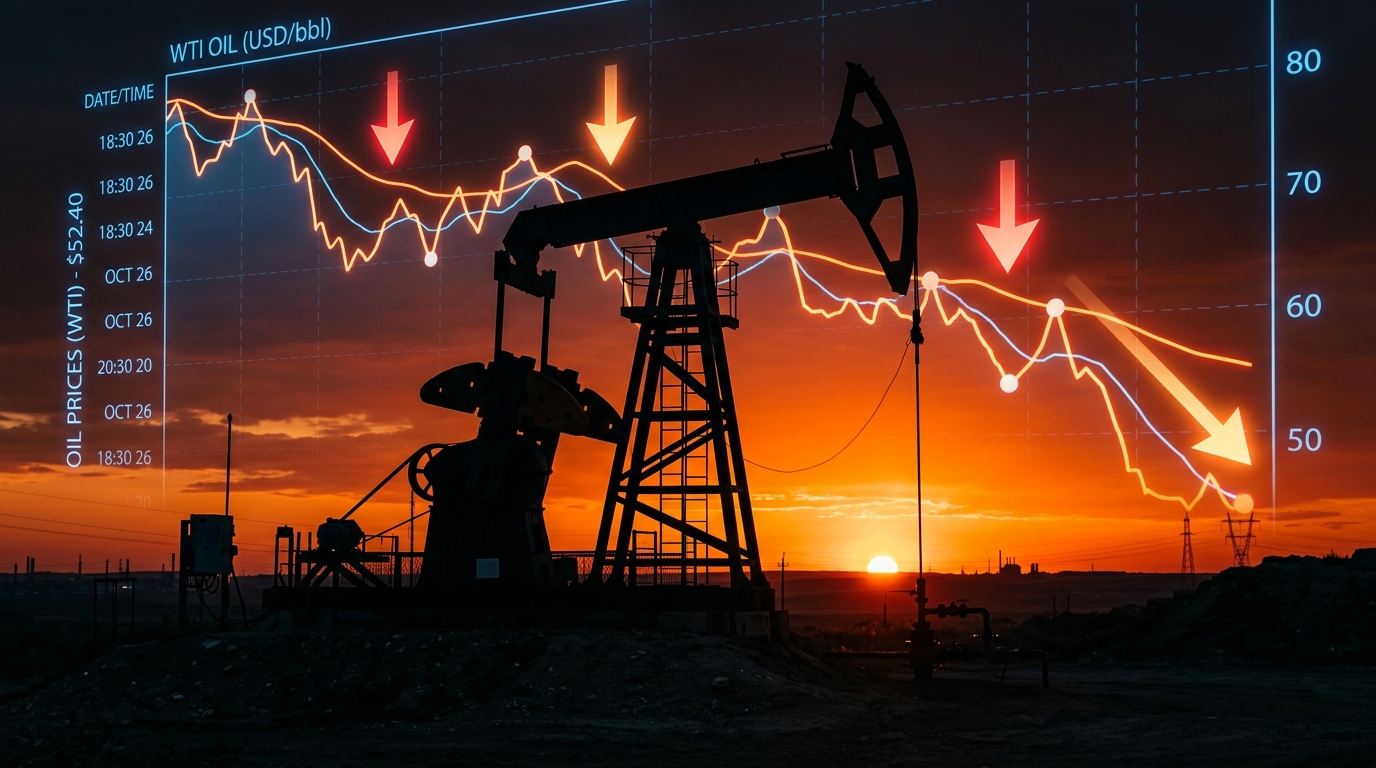
The recent geopolitical escalation in the Strait of Hormuz has fundamentally altered the calculus for US equities, transforming a localized supply disruption into a systemic market event. With Brent crude decisively crossing the US$100 per barrel threshold, the narrative of a macroeconomic soft landing has effectively evaporated. This is no longer merely a commodities story; it is the primary catalyst for a structural Oil Shock Sector Rotation out of rate-sensitive growth and technology stocks. Capital is rapidly seeking refuge in energy, defense, and traditional value equities that offer intrinsic inflation protection. For US investors, this pivot signals a harsh re-pricing of long-duration assets that had previously thrived on the assumption of imminent monetary easing.
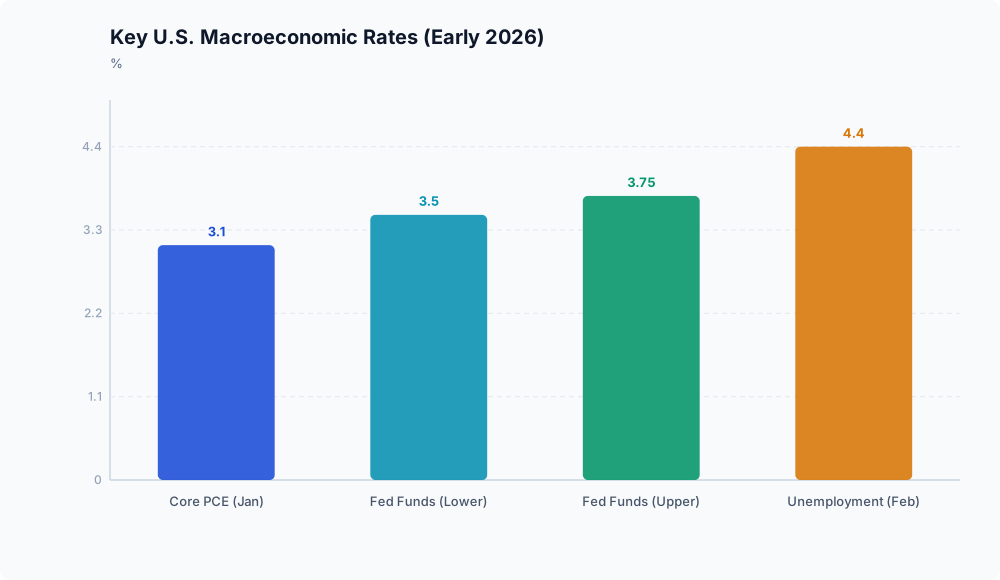
The macroeconomic data leading up to this oil shock already painted a precarious picture of stagflation, severely limiting the Federal Reserve’s maneuverability. In January 2026, Core Personal Consumption Expenditures (PCE)the Fed’s preferred inflation gaugewas running at a stubbornly high 3.1% year-on-year, while February saw non-farm payrolls unexpectedly contract by 92,000 as unemployment ticked up to 4.4% [GO Markets]. This dual mandate dilemma places the Fed in an agonizing position ahead of its April 28-29 Federal Open Market Committee (FOMC) meeting. With the Federal funds rate anchored between 3.50% and 3.75%, policymakers are effectively trapped between combating entrenched, energy-driven inflation and addressing a deteriorating labor market. Consequently, market participants must abandon hopes for near-term rate cuts, forcing a severe recalibration of equity risk premiums across the board.
The Transmission Chain: From the Strait of Hormuz to US CPI
To understand the breadth of this market repricing, investors must trace the precise transmission mechanism from the Middle East to domestic US inflation metrics. This cascading effect operates through a clear, sequential chain that transforms a regional bottleneck into a global monetary policy constraint. While energy spikes are often treated as transient by central banks, the timing of this supply-side constraint is particularly damaging given the underlying fragility of the US economic recovery.
The transmission of this shock follows four distinct phases:
- Geopolitical Trigger: Disruption in the Strait of Hormuz chokes off critical global oil supply routes, instantly injecting a massive geopolitical risk premium into physical commodity markets.
- Commodity Shock: Brent crude surges past the critical US$100 per barrel threshold, sharply elevating the baseline cost of energy for the global economy Fed Watch April 2026: Oil, Inflation and the FOMC Explained.
- Operational Drag: Elevated fuel prices immediately translate into higher transportation, freight, and logistics costs for corporations, acting as a regressive tax on business operations.
- Consumer Impact: These compounded supply chain expenses bleed directly into headline Consumer Price Index (CPI) metrics as companies inevitably attempt to pass their compressed margins onto end consumers.
This transmission chain guarantees that the energy shock will not remain confined to the commodities market. Higher logistics and transportation costs operate with a slight lag, meaning the full impact on corporate earnings and consumer prices is likely yet to be fully realized in current quarterly reports. As businesses face compressed operating margins, they are forced to either absorb the costsdamaging equity valuationsor raise prices, which exacerbates the broader inflationary environment. For US investors, this dynamic implies that upcoming headline CPI prints will likely surprise to the upside, undermining any lingering optimism for a disinflationary glide path. Consequently, the bond market is forced to reprice inflation premiums, driving yields higher and pressuring duration-sensitive assets.
The severity of this headline inflation shock is magnified because it collides with a domestic economy that was already struggling to tame underlying price pressures. Because core PCE strips out volatile food and energy prices, a reading of 3.1% indicates that structural inflation was deeply embedded in the US economy well before the Strait of Hormuz disruption. When a transient headline shock hits an economy with elevated core inflation, central bankers lose the flexibility to look through the energy price spike. The implication for markets is profound: the baseline assumption of returning to a 2% inflation target in the near term has been structurally invalidated by the data.
The Highest-Signal Evidence: Airlines as the Canary in the Coal Mine

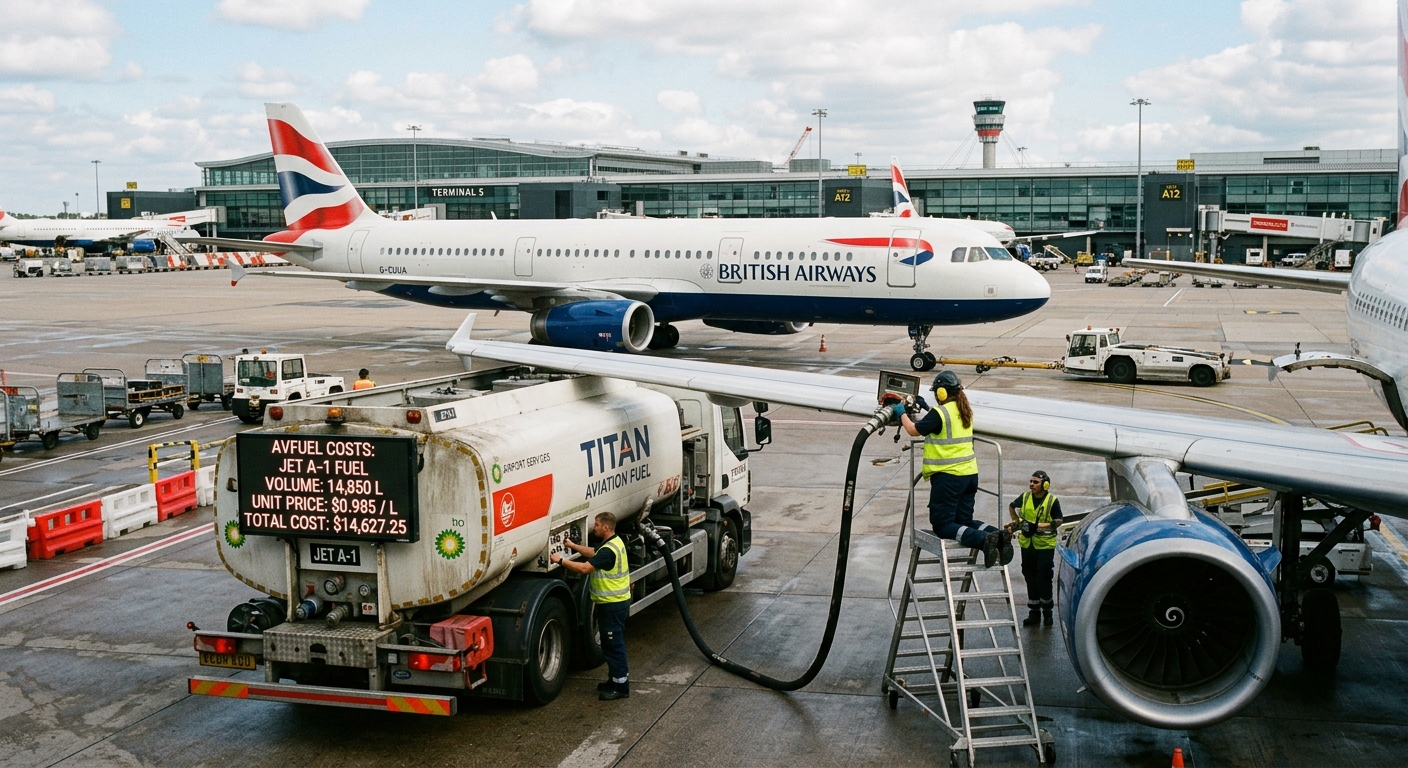
The recent surge in oil prices has rapidly materialized in corporate earnings expectations, with the transportation sector serving as the market’s highest-signal early warning system. Because airlines operate with extreme sensitivity to spot fuel costs and limited short-term pricing elasticity, they are typically the first to reflect macroeconomic commodity shocks. This dynamic was vividly illustrated when analysts began slashing forward estimates, highlighting the immediate vulnerability of unhedged operational costs.
The immediate corporate casualty of this $100 oil regime is the US aviation sector, which severely misjudged the trajectory of energy markets. First-quarter 2026 fuel expenses surged 14% above consensus expectations, posting an 8.2% year-on-year growth rather than the anticipated decline [S&P Global]. This input cost shock drove a massive 20% miss in operating income for the industry, cascading directly into depressed earnings per share.
The most striking evidence of this sudden margin contraction comes from a drastic revision for American Airlines. Recognizing the carrier’s outsized exposure to rising jet fuel prices, analysts aggressively cut projections, underscoring the severity of the input cost shock.
| Entity | Metric | Previous Estimate | Revised Estimate | Implied Impact |
|---|---|---|---|---|
| American Airlines | 2026 EPS (UBS) | $2.21 | $0.43 | -80.5% |
This dramatic 80.5% reduction in expected profitability indicates that analysts are abandoning previous assumptions of normalized energy markets [Investing.com]. As United Airlines approaches its own Q1 earnings report under the shadow of these relentless fuel costs, the broader market is realizing that energy-intensive businesses are facing an aviation winter that will soon chill other sectors [TradingKey].
Analytically, these figures represent more than just a bad quarter for aviation; they highlight critical second-order effects for the broader economy. When operating income misses by 20% due to non-negotiable input costs, companies are typically forced to defend their balance sheets through capacity reductions or delayed capital expenditures. For the airline sector, this likely means fewer active routes and constrained seat supply in upcoming quarters. As supply tightens, airlines will inevitably attempt to pass these elevated fuel costs onto consumers through higher ticket prices. This dynamic threatens to feed directly back into sticky consumer inflation, complicating the macroeconomic picture for investors and policymakers alike.
While airlines are uniquely vulnerable due to fuel representing a massive percentage of their operating expenses, this data serves as a definitive canary in the coal mine for US investors assessing supply chain vulnerabilities. It strongly implies that any company lacking the ability to rapidly pass on rising commodity costs will face swift and severe valuation punishments in the current macro environment.
Market Scenarios: Navigating the Stagflationary Crosscurrents
The current macroeconomic environment is characterized by conflicting signals, forcing investors to weigh distinct sector rotation scenarios. This tension between sticky inflation (3.1% Core PCE) and economic deceleration (-92,000 NFP) requires market participants to navigate three potential pathways.
The Base Case: Prolonged Stagflation and Defensive Rotation In the base case, Brent crude sustains its position above the US$100 mark, cementing higher input costs across the global economy. Consequently, the Federal Reserve is forced to keep the federal funds rate anchored at 3.50% to 3.75% to prevent inflation expectations from unmooring Fed Watch April 2026: Oil, Inflation and the FOMC Explained. For US investors, this implies a prolonged stagflationary environment where broad equity index returns may stagnate due to compressed corporate margins. Capital is likely to rotate defensively into sectors with pricing power or structural tailwinds, specifically energy and defense. These sectors traditionally hedge against geopolitical premiums and persistent commodity inflation, offering a buffer while broader markets absorb the reality of restricted monetary policy.
The Downside Bear Scenario: Hard Recession and Consumer Collapse The downside bear scenario materializes if oil prices spike further while the labor market deterioration accelerates into a broader contraction. Early indicators of this crack are already visible, as US non-farm payrolls fell by 92,000 in February 2026 and the unemployment rate climbed to 4.4%. A continued rise in unemployment paired with an escalating energy shock would trigger severe second-order effects on consumer spending. As household budgets are squeezed simultaneously by job insecurity and high fuel costs, discretionary consumptiona primary engine of US economic growthwould likely collapse. This dynamic points toward a hard recession, where equities broadly reprice downward and investors flee to the safety of defensive assets despite the lingering inflationary backdrop.
The Upside Bull Scenario: De-escalation and the AI Infrastructure Boom Conversely, the upside bull scenario hinges on a rapid de-escalation of geopolitical tensions, allowing oil prices to retreat from their current highs. If energy costs normalize, the inflationary pressure on core PCE would ease, giving the Federal Reserve the flexibility to cut rates and support the weakening labor market. Under these conditions, the market would likely see a swift reversal of the defensive rotation, with capital flowing back into the growth and technology sectors. This resumption of the tech trade would be further catalyzed by an estimated US$650 billion AI infrastructure buildout currently underway [GO Markets]. However, the exact timeframe and economic impact of this massive capital expenditure remain highly uncertain. Financing such long-duration growth projects becomes exponentially more punitive in a higher-for-longer rate environment dictated by $100 oil, making this bull scenario entirely dependent on a geopolitical resolution.
What to Watch Next: Key Indicators for Q2 2026
To navigate this precarious environment, market participants must pivot from backward-looking earnings misses to a specific set of forward-looking indicators. The intersection of these indicators will dictate whether the US economy can absorb the twin shocks of $100 oil and rising unemployment without triggering a deeper corporate earnings recession.
- The April 28-29 FOMC Meeting: The primary focal point is the upcoming Federal Reserve meeting. Investors must scrutinize the FOMC dot plot and Chairman Powell’s forward guidance. Any shifts will signal the Fed’s tolerance for the 4.4% unemployment rate against the 3.1% core PCE reality. If the Fed signals a prolonged pause at 3.50%-3.75%, highly leveraged technology and infrastructure firms may face severe liquidity constraints.
- Mid-Month Headline CPI Prints: Upcoming CPI releases will serve as the ultimate arbiter for rate-sensitive equities. These prints will dictate whether the recent commodity shock is bleeding into broader consumer prices. A hotter-than-expected print will likely spark immediate sell-offs in tech and growth names reliant on the AI infrastructure buildout.
- Weekly EIA Crude Inventories: The Wednesday releases of Energy Information Administration (EIA) crude inventory data will inject immediate volatility into energy markets. This data is essential to determine if the current oil price reflects a structural supply deficit or a temporary disruption, directly impacting the valuation of cash-rich energy producers who are currently capitalizing on tight supply.
- Defense Sector Trading Volumes: While explicit evidence regarding geopolitical triggers remains thin in the current domestic economic data, the persistence of $100 Brent crude suggests underlying global friction. Defense sector trading volumes will serve as a critical, real-time proxy for assessing systemic risk premiums and institutional positioning regarding the Strait of Hormuz escalation.
Conclusion
Ultimately, the evidence implies that US market participants must fundamentally restructure their portfolios to survive a prolonged period of stagflationary pressure. The collision of a $100 oil shock, sticky 3.1% core inflation, and a weakening labor market has forced the Federal Reserve into a restrictive corner, paralyzing monetary policy at a critical juncture. The rotation out of technology and into value is not a transient technical correction, but a rational response to a structural shift in the global cost of capital.
As demonstrated by the severe margin compression in the airline sector, input costs will continue to erode corporate profitability from the bottom up as long as Brent crude remains elevated. Simultaneously, hawkish central bank policy will suppress valuation multiples from the top down, particularly for capital-intensive growth sectors relying on massive infrastructure buildouts. Investors who continue to position for a soft landing are fighting both the macroeconomic data and the physical commodities market. Survival in this new regime requires prioritizing balance sheet resilience, pricing power, and a tactical embrace of the Oil Shock Sector Rotation.
Disclaimer: This analysis is for informational purposes only and does not constitute investment, financial, real estate, or legal advice. Always consult a licensed financial advisor before making investment decisions.
FAQ
Which equity sectors historically outperform during an oil-driven inflation spike? Energy, defense, and traditional value equities historically outperform during oil-driven inflation spikes. These sectors offer intrinsic inflation protection and inherently hedge against the geopolitical and inflationary forces that compress margins in capital-intensive growth sectors.
How does the recent drop in non-farm payrolls complicate the Fed’s response to $100 oil? The February contraction of 92,000 non-farm payrolls and the rise in unemployment to 4.4% signals a deteriorating labor market. However, the Fed cannot easily cut rates to support employment because easing monetary policy risks unmooring inflation expectations driven by the $100 oil shock and the already sticky 3.1% Core PCE.
Why are airline stocks considered the ‘canary in the coal mine’ for broader market margin contraction? Airlines operate with high sensitivity to spot fuel costs and have limited short-term pricing elasticity. Because they cannot immediately outrun commodity spikes through operational efficiency or fare hikes, their rapid margin compressionsuch as the recent 20% operating income missserves as an early warning for other sectors lacking pricing power.
What specific CPI threshold would force the Fed to abandon its current 3.50%-3.75% rate pause? While the current data does not define a specific future CPI threshold, Core PCE is already running at a stubbornly high 3.1% year-on-year. Any upcoming headline CPI print that shows the $100 oil shock bleeding into broader consumer prices and accelerating inflation beyond this sticky baseline would severely pressure the Fed to maintain or tighten its restrictive stance.