
The Impact of a Kevin Warsh Fed Chair on Real Estate
The Impact of a Kevin Warsh Fed Chair Era on Real Estate
The prospect of a Kevin Warsh Fed Chair era introduces a critical policy divergence for the United States real estate sector. Following reports in November 2024 of his planned nomination by President-elect Donald Trump for a term beginning in 2026, market participants are being forced to rapidly reassess their macroeconomic assumptions. While financial markets often associate a new presidential administration with a push for lower baseline interest rates to stimulate economic growth, Warsh brings a distinctly hawkish perspective regarding the central bank’s balance sheet. This dynamic creates a complex macroeconomic paradox: the traditional federal funds rate might stabilize or even fall, yet consumer mortgage borrowing costs could remain stubbornly high. It is essential to distinguish the reports of his planned nomination from the inference of his future policy actions, but his documented ideological stance has already altered the risk calculus for the housing market. For homebuyers and developers alike, the traditional playbook of waiting for a baseline rate cut may no longer guarantee cheaper consumer financing.
The Transmission Chain: From Policy Shift to Market Bottleneck
To understand the market impact of this potential nomination, investors must trace the mechanics of how an accelerated balance sheet runoff directly affects the cost of real estate capital. The foundation of this policy divergence lies in Warsh’s explicit criticism of the Federal Reserve’s post-crisis monetary strategies. According to The Capitol Forum, Warsh has stated his intention to reduce the Feds “bloated” portfolio of assets through quantitative tightening (QT). Crucially, he has asserted that quantitative easing (QE)the central bank’s policy of purchasing assets such as Treasuries and mortgage-backed securities (MBS)has been a direct driver of inflation.
By explicitly linking the acquisition of mortgage securities to inflationary pressures, Warsh signals a structural shift away from supporting the housing market through balance sheet expansion. If he views the accumulation of these assets as a fundamental policy error, the logical corrective action involves accelerating their removal from the central bank’s books. This policy pivot initiates a clear transmission chain that fundamentally alters the supply-demand dynamics in fixed-income markets.
During the era of quantitative easing, the Federal Reserve acted as a price-insensitive buyer. By absorbing massive amounts of MBS supply, the central bank artificially compressed the yield premium required by investors. As the Fed steps away and allows these securities to roll off its balance sheet, private capital must step in to absorb the excess supply. Because private investors demand higher compensation for the prepayment and duration risks inherent in mortgages, the yield on MBS must rise relative to risk-free Treasuries to attract that capital. Consequently, even if the 10-year Treasury yield remains stable, the “spread”the gap between the Treasury baseline and the consumer mortgage ratemechanically widens.
This widening spread creates a bifurcated interest rate environment that distinctly separates developers from end-buyers. Commercial real estate developers typically rely on short-term, floating-rate construction loans that are closely tethered to the federal funds rate or the Secured Overnight Financing Rate (SOFR). If a Warsh-led Fed eases short-term policy rates while leaning heavily on QT to fight inflation, developers could experience a meaningful reduction in their upfront financing costs. Conversely, the end-buyers of these properties rely almost exclusively on 30-year fixed-rate mortgages, which are priced off the widening MBS spread. Developers may therefore be incentivized to build due to cheaper capital, only to face a severe bottleneck where finished inventory sits unsold because consumers remain paralyzed by sticky, elevated mortgage rates.
The Evidence: Reversing a Historic Balance Sheet Expansion
The scale of the potential disruption can only be understood by examining the sheer magnitude of the Federal Reserve’s recent market interventions. Prior to the 2008 financial crisis, the central bank operated with a relatively lean balance sheet, holding minimal bank reserves. However, as short-term interest rates became constrained by the “zero lower bound,” the Federal Reserve utilized QE to provide additional economic stimulus by artificially reducing Treasury and mortgage rates.
This strategy culminated in a massive pandemic-era intervention. Between March 2020 and January 2022, the Fed doubled its securities holdings to an unprecedented $8.9 trillion to stimulate the economy, as noted by the Congressional Research Service. This transition from a scarce-reserve framework to an abundant-reserve regime fundamentally altered how liquidity flows through the US banking system.
The unwinding of this historic stimulus is already underway, but the pace and terminal goal remain the critical variables. When the Federal Reserve began tapering these purchases in November 2021, it reduced its acquisitions by $15 billion per month, maintaining a two-to-one ratio of Treasuries to mortgage-backed securities, according to the Congressional Research Service. While the initial phase of quantitative tightening has already reduced the balance sheet significantly, policymakers now face increasingly difficult choices. The modern financial system has become structurally dependent on abundant liquidity. Warsh’s ideological framing of QE as an inflationary misstep, rather than a benign stabilization tool, suggests a willingness to prioritize aggressive balance sheet normalization over market accommodation, setting the stage for significant fixed-income volatility.
Scenario Analysis: Navigating the Uncertainty of QT
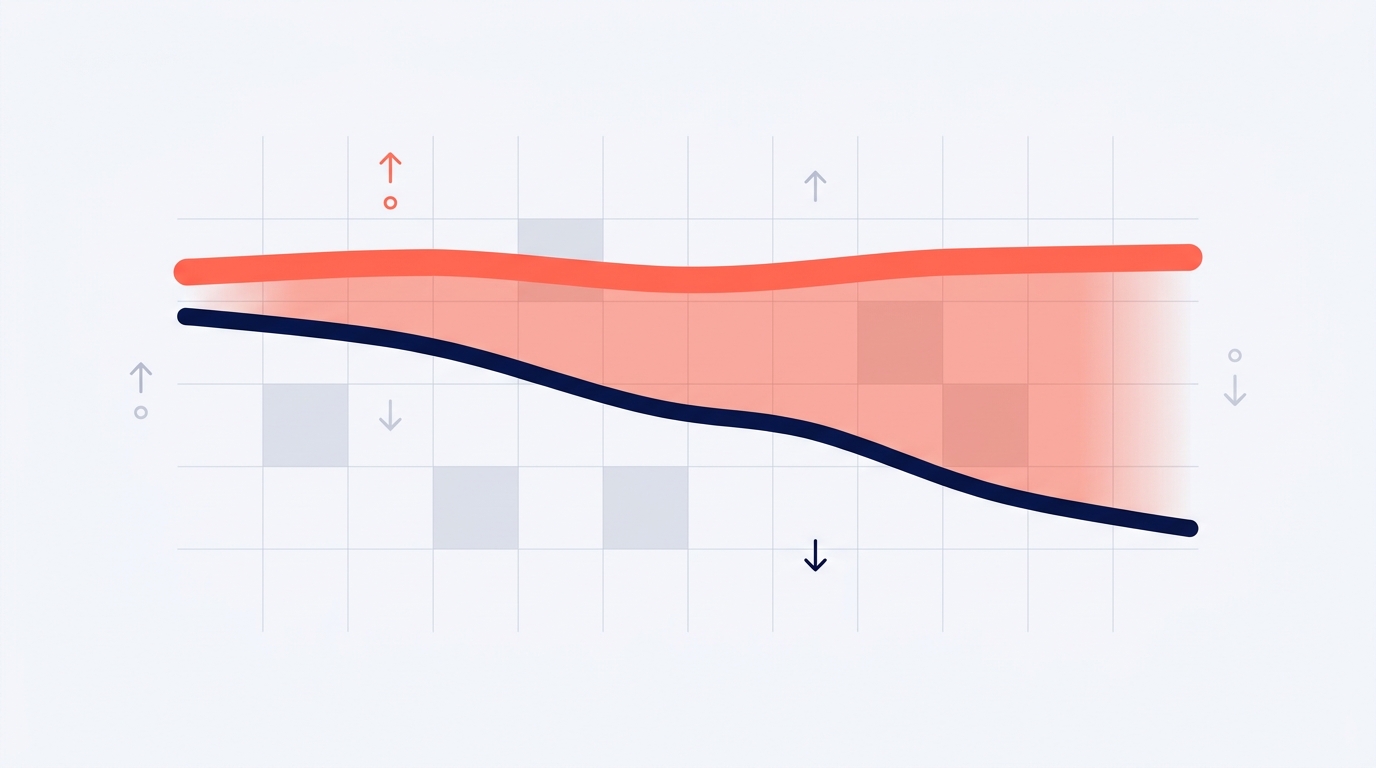
Despite Warsh’s clear rhetorical stance, the actual implementation of aggressive quantitative tightening remains highly uncertain. Any pursuit of QT will inevitably collide with myriad political and market constraints. Real estate investors must weigh three distinct scenarios for how this policy tension will resolve.
The Base Case: Sticky Rates and Decoupling In a base case scenario, homebuyers should prepare for stubbornly sticky mortgage rates, even if the Federal Reserve continues to gradually cut the benchmark federal funds rate. Because Warsh is fundamentally opposed to maintaining a large asset portfolio, the Fed’s passive runoff of these securitiesallowing bonds to mature without reinvestmentis likely to continue or accelerate. This steady withdrawal of a major buyer from the secondary mortgage market naturally widens the spread between 30-year mortgage rates and 10-year Treasury yields. The anticipated relief from baseline rate cuts would be largely offset by these widening risk premiums, meaning a lower federal funds rate will not automatically translate to cheaper real estate borrowing costs.
The Downside Case: Outright MBS Sales The downside scenario for the housing market involves a more aggressive approach to QT that actively drives mortgage rates higher. If Warsh translates his rhetoric into immediate policy and mandates outright sales of mortgage-backed securities rather than just allowing passive runoff, the secondary mortgage market could experience a severe supply shock. Selling these securities directly into the open market would depress their prices and force yields significantly upward. In this environment, real estate borrowing costs could surge independently of broader macroeconomic conditions, chilling housing demand, locking existing homeowners into their current properties, and depressing overall transaction volumes.
The Upside Case: Market Realities Force a Pause An upside scenario exists where mortgage rates drop in tandem with the federal funds rate, though this relies heavily on market fragility forcing Warsh’s hand. As noted by The Capitol Forum, Warsh’s pursuit of QT faces constraints that could temper his ambitions. A sudden spike in Treasury yields or a liquidity crisis in the banking sector could force the Fed to abandon or pause its balance sheet runoff, regardless of the Chair’s ideological preferences. If the market cannot digest the MBS runoff without severe disruptions, a slower balance sheet reduction would prevent spreads from blowing out, allowing prospective homebuyers to fully benefit from baseline rate cuts. Ironically, early signs of financial plumbing stress could become a bullish signal for real estate affordability.
What to Watch Next: Concrete Market Triggers
To navigate this uncertainty, market participants cannot rely solely on headline interest rate announcements. Instead, they must track specific policy triggers and pricing signals that will dictate the next phase of the real estate cycle.
- The 10-Year Treasury vs. 30-Year Mortgage Spread: This spread serves as a real-time barometer for liquidity and risk premiums within the MBS market. If market participants begin pricing in outright MBS sales by the Federal Reserve, this spread will expand further. Real estate investors should view this metric as the primary leading indicator for housing affordability.
- Bank Reserve Levels: Bank reserves surged to peak pandemic levels. Investors must monitor these levels as the ultimate governor of Warsh’s QT ambitions. If reserves drain too quickly and money market volatility spikes, the Fed may be forced to halt its portfolio reduction.
- Upcoming Confirmation Hearings: Specific statements during Warsh’s confirmation hearings will be vital for determining the likelihood of the outright sale of MBS versus continued passive runoff. Investors should listen closely for his tolerance regarding market volatility in the pursuit of a smaller balance sheet.
- FOMC Minutes: Scrutinize upcoming Federal Open Market Committee minutes for any formal discussions regarding adjustments to the current balance sheet runoff caps.
Conclusion
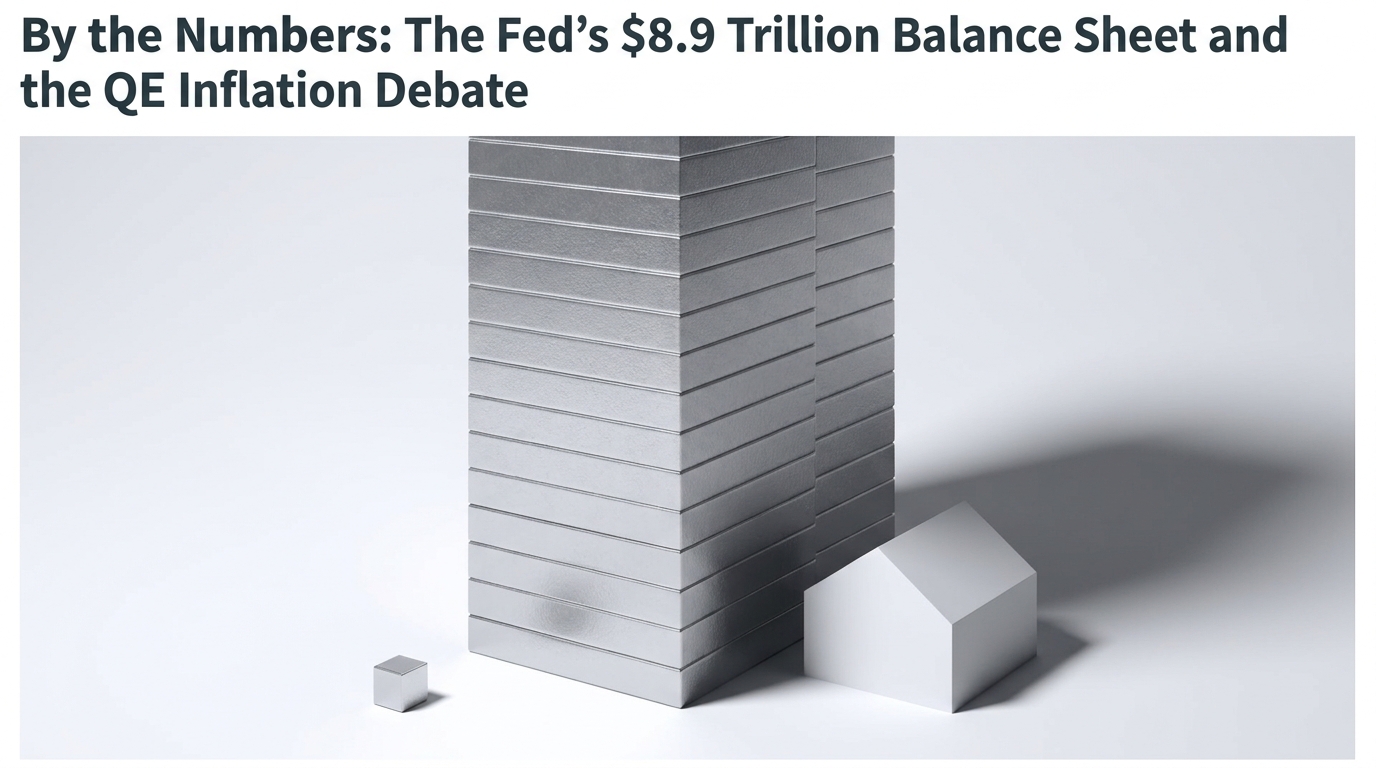
The structural transformation of the Federal Reserve’s balance sheet over the past two decades fundamentally altered the pricing of credit across the broader economy. For years, the real estate sector benefited from a central bank willing to absorb duration risk and artificially suppress mortgage yields. The potential arrival of a Kevin Warsh Fed Chair signals the definitive end of that era. By framing quantitative easing as a direct driver of inflation, Warsh is signaling a regime shift where balance sheet normalization takes precedence over market accommodation. Real estate professionals, developers, and homebuyers must adapt to a bifurcated financing environment where short-term borrowing costs may fall, but long-term mortgage rates remain elevated due to the structural oversupply of mortgage-backed securities. Success in this new cycle will require stress-testing financial models against a persistent decoupling of consumer mortgage rates from the traditional federal funds rate.
Disclaimer: This analysis is for informational purposes only and does not constitute investment, financial, real estate, or legal advice. Always consult a licensed financial advisor before making investment decisions.
FAQ
If the Fed cuts interest rates, why wouldn’t mortgage rates go down under Kevin Warsh? Mortgage rates are not directly dictated by the federal funds rate; they are tied to yields on 10-year Treasury notes and mortgage-backed securities (MBS). If Warsh accelerates the reduction of the Fed’s MBS holdings, the increased supply of these securities in the private market will drive their prices down and yields up. This widening spread can keep 30-year fixed mortgage rates high, offsetting the effects of a baseline interest rate cut.
What is Quantitative Tightening (QT) and how does it directly affect real estate developers? Quantitative tightening is the process by which the central bank reduces its portfolio of assets, either by letting bonds mature without reinvesting or by actively selling them. For real estate developers, QT creates a bifurcated market. While developers may secure cheaper short-term construction loans if the Fed lowers baseline rates, QT keeps long-term mortgage rates high for consumers. This creates a bottleneck where developers finish projects but struggle to sell them to buyers who are priced out by elevated mortgage costs.
How does the Federal Reserve’s balance sheet size influence the housing market? When the Fed expands its balance sheet through quantitative easing (peaking at $8.9 trillion in 2022), it acts as a massive buyer of mortgage-backed securities, artificially lowering consumer mortgage rates and stimulating housing demand. Conversely, when the Fed shrinks its balance sheet, it removes that downward pressure on rates. Private investors must absorb the mortgage debt, which requires higher yields, thereby increasing borrowing costs and cooling the housing market.