
Mortgage Rates Hit Multi-Week Highs in September 2026
Why 30-year mortgage rates crossed 7% in September 2026
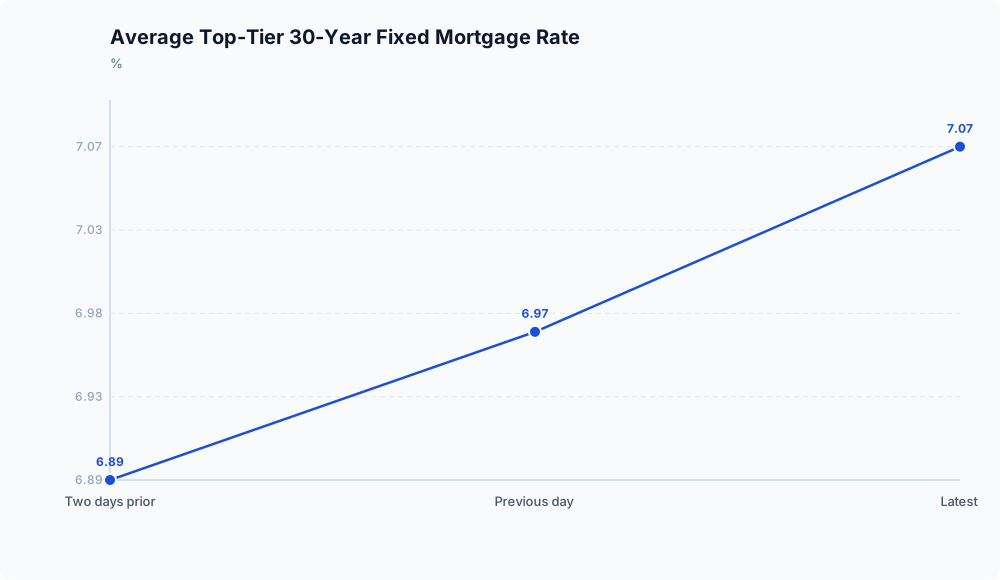
Benchmark 30-year fixed mortgage rates rose back above 7% in early September 2026, reaching 7.07% according to Mortgage News Daily. While strong payroll data had previously shifted policy forecasts toward additional central bank rate increases UBS, the immediate surge past the 7% threshold was driven primarily by rising fuel prices and that morning’s Producer Price Index (PPI) report Mortgage News Daily.
An abrupt surge past the 7% threshold
Borrowing costs for prospective US homebuyers reached multi-week highs following consecutive daily increases Prosperity Home Mortgage, LLC (www.phmloans.com). According to Mortgage News Daily, the average top-tier 30-year fixed mortgage rate climbed to 7.07%, up from 6.97% the previous day and 6.89% the day before, marking the highest rate since May 21, 2025.
That two-day rise pushed benchmark rates over the 7% mark Mortgage News Daily, raising monthly principal and interest obligations for active borrowers.
Resilient labor markets and policy forecasts
The broader upward pressure on borrowing costs followed macroeconomic data that challenged expectations of a cooling economy. Data cited by UBS showed that US nonfarm payrolls grew by 162,000 jobs in August 2026, exceeding consensus estimates of 55,000 and pointing to continued hiring.
Because sustained labor demand can keep upward pressure on inflation, the jobs report led financial institutions to reconsider the path of interest rates. Following the release, UBS revised its baseline forecast from a policy pause to two 25-basis-point interest rate hikes by the Federal Reserve, projected for September and December 2026.
How policy expectations reach lending rates
Consumer mortgage rates track fixed-income markets that move ahead of central bank meetings. When investors price in higher official borrowing costs, wholesale lenders adjust their rate sheets to cover higher capital costs and maintain margins.
While shifting policy expectations documented by UBS set a higher baseline for yields, the sharp two-day climb to 7.07% was attributed by Mortgage News Daily to two specific market drivers: surging fuel prices and a poorly received Producer Price Index release that signals ongoing inflation.
Known and unmeasured effects on housing

Financing costs above 7% Mortgage News Daily reduce homebuyer purchasing power, offsetting price cuts or seller concessions buyers might have secured.
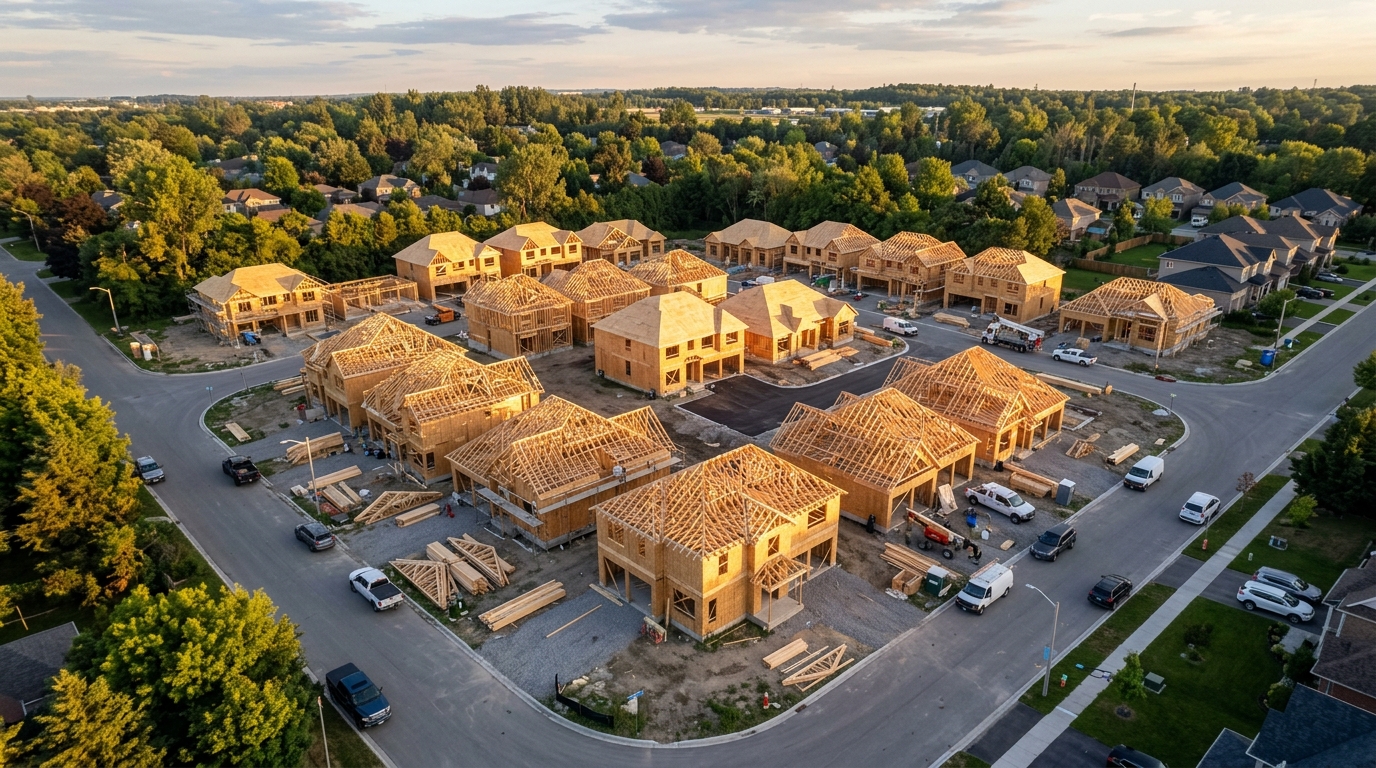
As rates moved higher, total mortgage application volume fell 2.7%, with refinances dropping 6.2% and purchase volume declining 0.2%, according to Prosperity Home Mortgage, LLC (www.phmloans.com). Private single-family building contracts also decreased Prosperity Home Mortgage, LLC (www.phmloans.com), but the full extent to which homebuilders and sellers will adjust prices across the broader market has not yet been established.
Macro drivers and consumer rates
The climb in 30-year rates to 7.07% Mortgage News Daily highlights how quickly consumer quotes react to fresh inflation data and energy costs. Originators repriced loan sheets ahead of official Federal Reserve decisions to protect margins against shifting market conditions.
Disclaimer: This analysis is for informational purposes only and does not constitute investment, financial, real estate, or legal advice. Always consult a licensed financial advisor before making investment decisions.
Frequently asked questions
How quickly do changes in Treasury yields reflect in daily consumer mortgage quotes?
Primary lenders often adjust their consumer rate sheets within hours of significant moves in benchmark yields or secondary mortgage-backed securities to protect lending margins. However, the exact basis-point correlation between Treasury yields and retail quotes varies daily depending on lender capacity, competitive positioning, and market volatility.
Will higher borrowing costs force home sellers and builders to increase price cuts and concessions?
While sustained rates above 7% typically constrain buyer purchasing power, data from Prosperity Home Mortgage, LLC (www.phmloans.com) shows purchase application volume edged down only 0.2% alongside a decrease in private single-family building contracts. Widespread builder price cuts or broader formal concessions have not yet been documented in published figures.