Shelter Disinflation and Multifamily NOI: Margin Pressures
How stagnant rent growth and plateaued vacancies are reshaping multifamily NOI
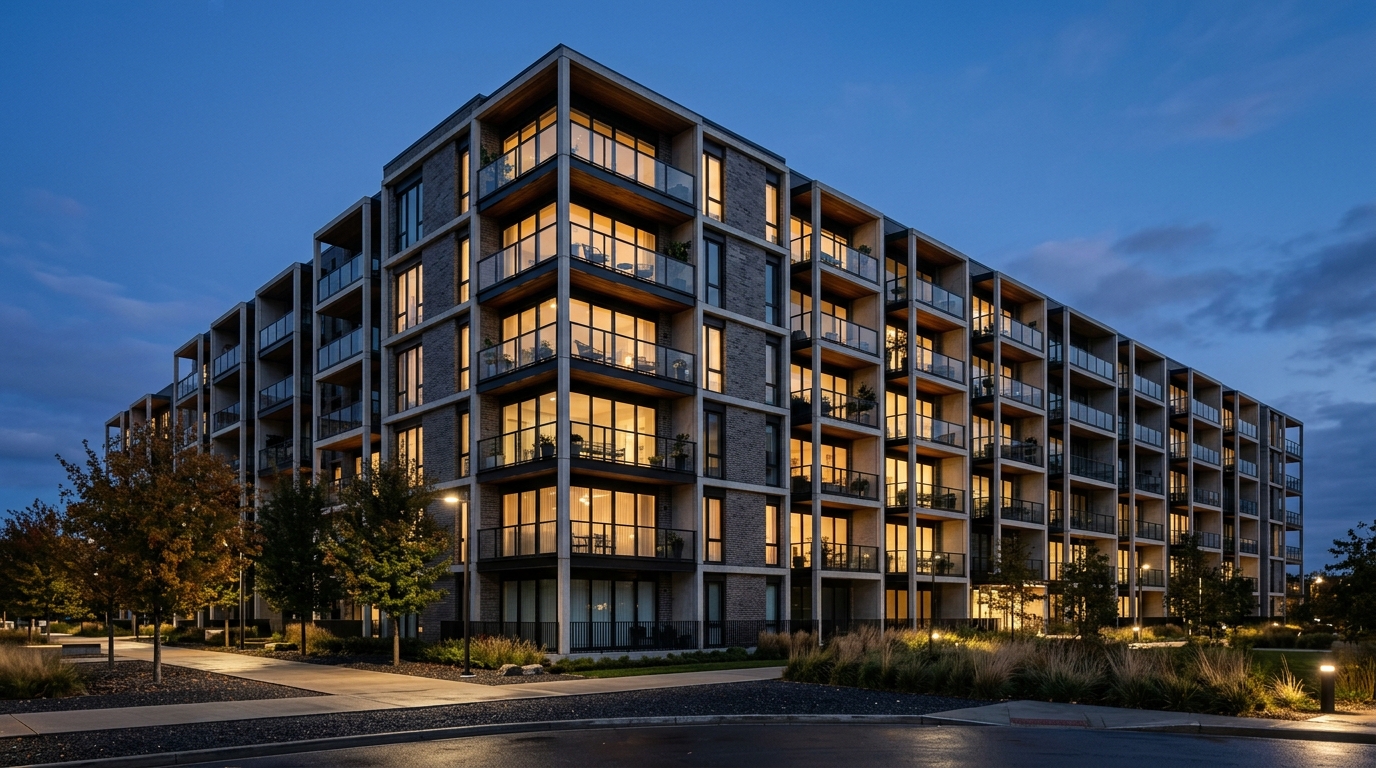
Moderating rent growth and plateaued vacancy rates are compressing property-level margins across the rental housing sector. Because new inventory caps top-line revenue, operators face challenges relying on rent expansion to outpace sticky operating expenses. Commercial real estate valuations have stabilized near an apparent floor, shifting investment returns from rapid appreciation toward operational discipline and baseline yield.
Operational fundamentals: vacancies cap top-line revenue
Elevated deliveries have curtailed pricing power across the multifamily sector, contributing to broader decelerations in shelter cost growth. According to Moody’s Analytics CRE data reported by Arbor Realty Trust, national multifamily effective rents stood at $1,841 per unit in the second quarter of 2026, marking a 0.9% gain for the quarter. Over the same period, national vacancy rates held flat at 6.8% Arbor Realty Trust.
Supply pressures may begin to ease as the construction cycle cools. National multifamily completions are projected to drop to 260,149 units in 2026 from 533,848 units in 2025, according to CoStar projections reported by MMG Real Estate Advisors. Net absorption is forecast at 271,774 units for 2026, with fourth-quarter occupancy projected to reach 93.2% MMG Real Estate Advisors.
This revenue ceiling places direct pressure on net operating income (NOI). When effective rent growth flattens, routine operating overhead—such as payroll, maintenance, and insurance—erodes margins. Without strong top-line increases, operators must manage day-to-day property expenses to defend their net yields.
Capital markets: valuations approach a floor
The plateau in operational growth coincides with stabilization across commercial property capital markets. For the 12 months preceding September 2026, U.S. multifamily investment activity reached $173.6 billion in sales volume, according to MSCI Real Capital Analytics data published by Arbor Realty Trust. Over that trailing 12-month period, apartment capitalization rates averaged 5.6% Arbor Realty Trust.
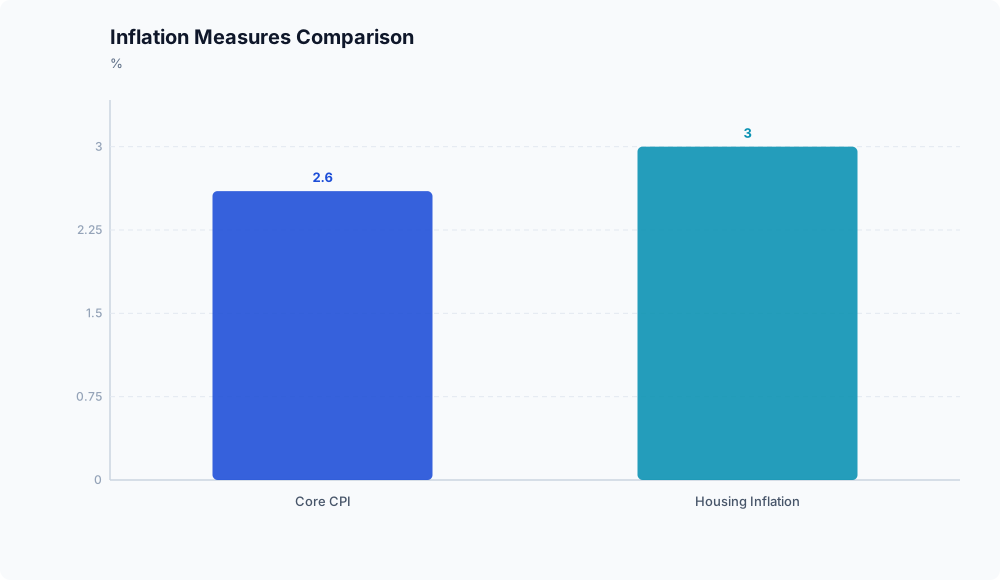
Property values have also shown signs of stabilizing. The RCA Commercial Property Price Index (CPPI) for apartments edged up 0.2% over the trailing 12 months Arbor Realty Trust. Steady cap rates and modest price index movements suggest that pricing has largely established a floor following adjustments to higher interest rates, linking asset values directly to realized property cash flows.
Demand dynamics: the single-family rental market
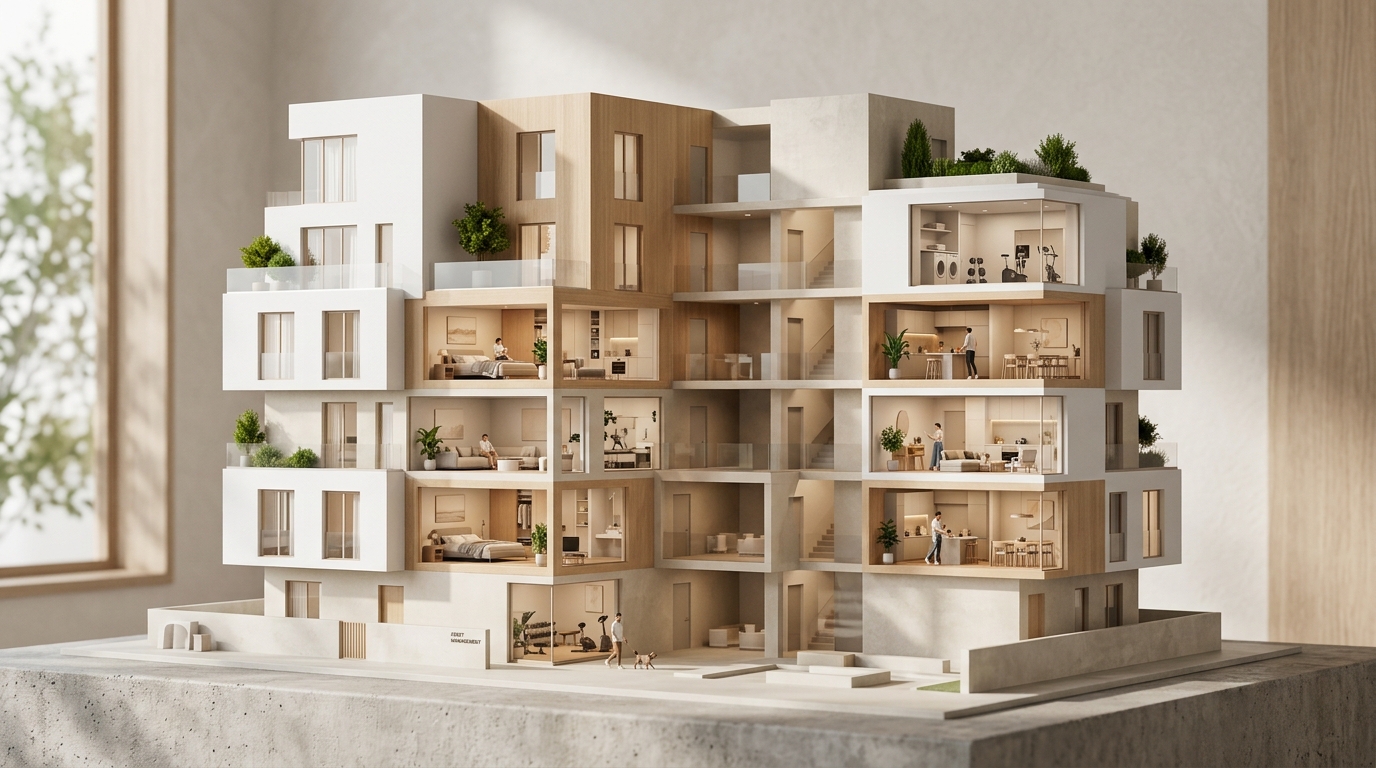
Affordability hurdles in the for-sale housing market continue to bolster overall tenant demand. National home prices increased by 1.53% year-over-year through June 2026, based on S&P Dow Jones Indices data cited by Arbor Realty Trust. High home prices and elevated mortgage rates maintain elevated barriers to homeownership, keeping prospective buyers in the rental pool.
At the same time, multifamily properties face competition from alternative rental segments. Single-family rentals housed 41% of the U.S. renter population as of mid-year 2025, according to Rentometer data reported by Arbor Realty Trust. The sizable presence of single-family rentals, coupled with apartment vacancies, continues to moderate pricing leverage for apartment owners.
Investment and operational outlook
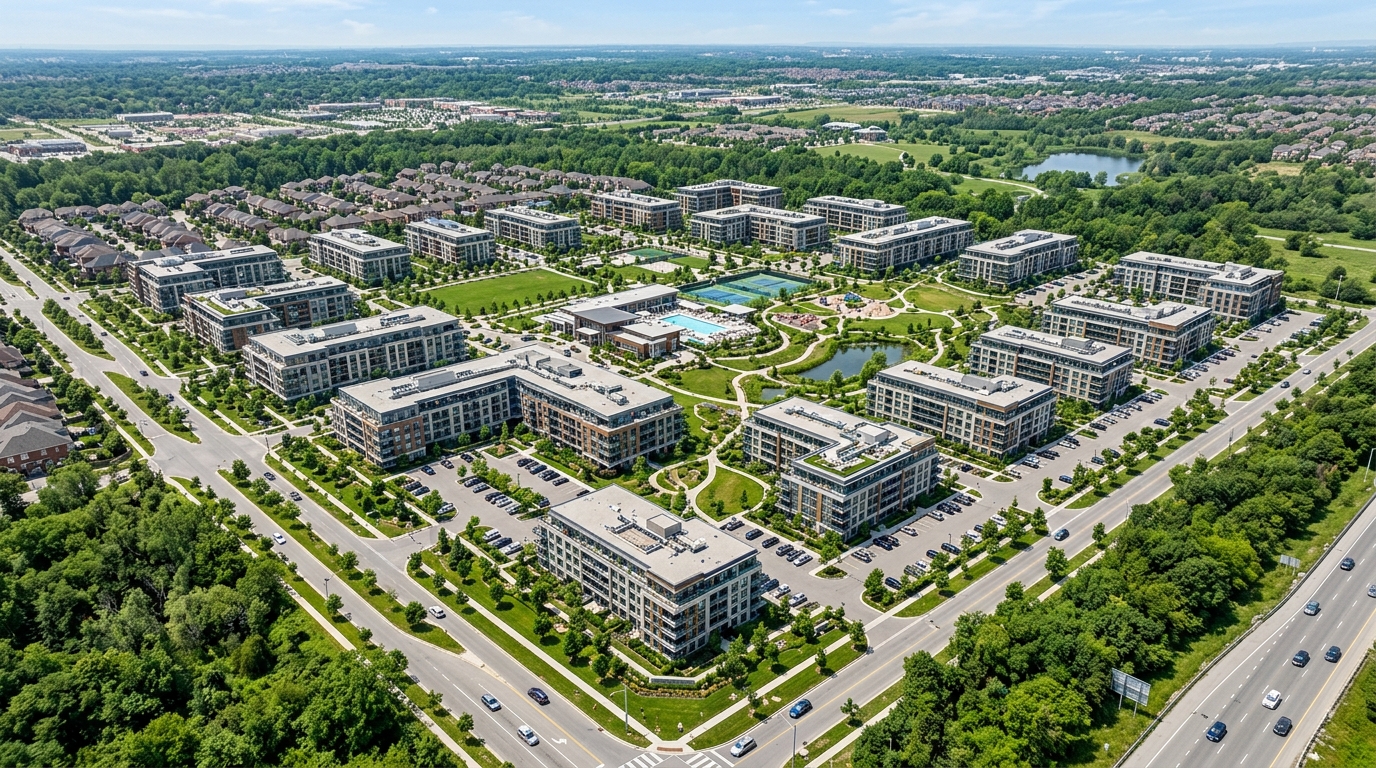
Plateaued vacancy rates, modest rent gains, and stable asset pricing mean investment yields rely less on automatic rent increases and more on disciplined execution. For investors and property managers, defending NOI margins requires realistic revenue underwriting and prudent cost containment.
Whether deal activity accelerates beyond its $173.6 billion pace Arbor Realty Trust will depend on buyers and sellers aligning on sustainable, cash-flow-driven underwriting standards.
Disclaimer: This analysis is for informational purposes only and does not constitute investment, financial, real estate, or legal advice. Always consult a licensed financial advisor before making investment decisions.