
Why Higher Yields and Rising Cap Rates Pressure Real Estate
Why Are Real Estate Hurdle Rates and Financing Costs Continuing to Rise?
The short answer: Real estate hurdle rates and borrowing costs are climbing because persistent inflation and economic momentum have pushed the Federal Reserve to continue raising benchmark interest rates while simultaneously shrinking its balance sheet. With risk-free yields anchored higher, property investors must demand greater returns (hurdle rates) and higher capitalization rates to compensate for expensive debt and elevated cost of capital.
Macroeconomic Resilience and Sticky Inflation
The primary catalyst behind rising real estate financing costs is an economy that continues to run hotter than the Federal Reserve’s targets. As of May 2026, U.S. annual inflation remained above 3%, failing to cool toward the Fed’s 2% objective, according to Charles Schwab.
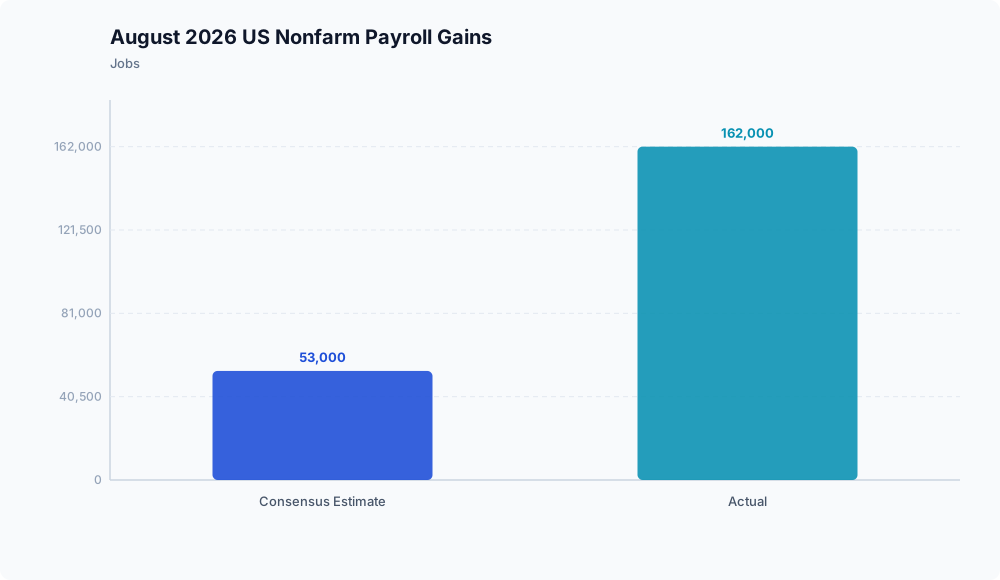
Economic momentum accelerated through the summer. In August 2026, U.S. nonfarm payrolls rose by 162,000—substantially exceeding the consensus estimate of 53,000—while the headline Consumer Price Index (CPI) climbed 0.4% month-over-month and 3.4% year-over-year, as documented by Crestwood Advisors.
This durable consumer price pressure and resilient labor market have signaled to markets that monetary easing remains out of reach for the near term.
Quantitative Tightening and Benchmark Rate Hikes
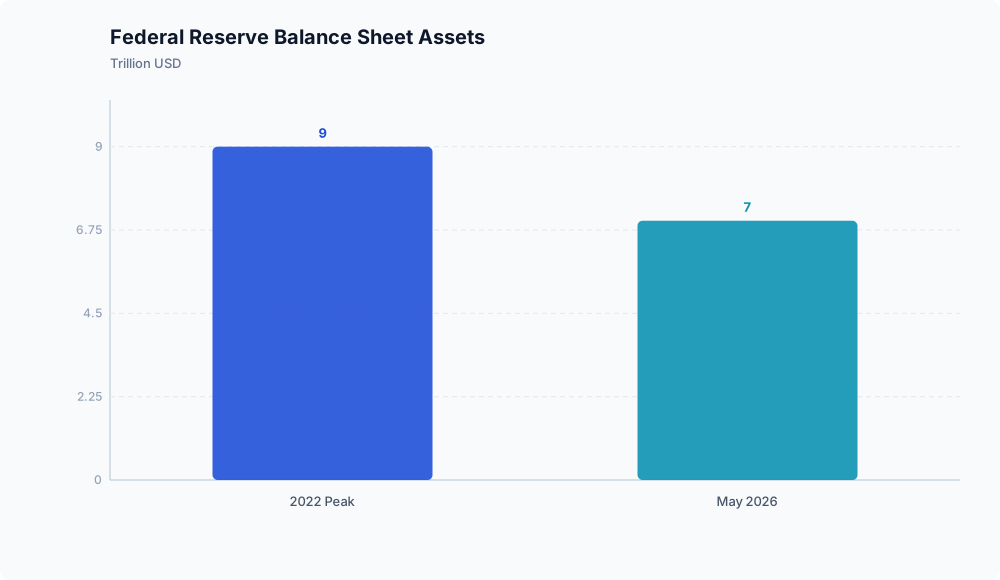
At the same time, the Federal Reserve has actively pulled back structural support from the bond market. Charles Schwab reported that the Fed’s balance sheet fell from nearly $9 trillion at its 2022 peak to approximately $7 trillion by early May 2026. This ongoing quantitative tightening requires private markets to absorb an expanding supply of sovereign debt, placing natural upward pressure on benchmark bond yields.
Monetary policy decisions in late 2026 confirmed this restrictive direction:
- Rate Increases: On September 16, 2026, the Federal Reserve voted 12 to 0 to raise the target range for the federal funds rate to 3.75% to 4%, according to Crestwood Advisors.
- Future Projections: In that same report, the Fed’s September 2026 Summary of Economic Projections projected a median federal funds rate of 4.1% for year-end 2026, dispelling expectations of near-term borrowing relief.
The Impact on Hurdle Rates and Valuations
Commercial property hurdle rates—the minimum rate of return an investor requires—are calculated as a spread above base risk-free rates and debt costs. When benchmark policy rates rise and balance sheet runoff elevates bond yields, required equity returns mechanically adjust upward.
This capital shift creates significant headwinds across both commercial and residential property markets:
- Cap Rate Expansion: A property’s capitalization rate reflects net operating income relative to asset value. To maintain an acceptable risk premium over higher-yielding sovereign debt, cap rates must expand unless rapid income growth offsets the higher cost of capital. With headline inflation remaining elevated at 3.4% year-over-year in August 2026 (Crestwood Advisors), higher required investment returns place ongoing pressure on asset valuations, prompting repricing.
- Transaction Friction: For prospective buyers, elevated debt service compresses purchasing power. For existing owners who locked in debt during earlier, lower-rate cycles, there is little incentive to refinance or sell. This valuation gap—where buyers facing steep debt costs cannot match seller expectations—dampens transaction liquidity until prices reset.
Analytical Caveats and Data Limitations

While the transmission mechanism from policy rates to debt costs is straightforward, direct empirical property data remains limited in the macroeconomic record. Specific figures on commercial capitalization rate spreads, sector-by-sector rent growth, overall transaction volumes, and mortgage lock-in magnitudes across the entire commercial sector are not established here. Consequently, while higher capital costs and elevated hurdle rates are analytically confirmed by macroeconomic policy, the exact yield spread across specific property types remains an area of empirical uncertainty.
Conclusion: What This Means for Real Estate Capital
The validated economic evidence demonstrates that the “lower-for-longer” interest rate environment has definitively shifted. For real estate sponsors, lenders, and buyers, underwriting acquisitions around expectations of imminent rate cuts or refinancing relief is no longer supported by central bank trajectories. As long as inflation stays stubbornly above 3% and balance sheet runoff continues, property yields must realign with higher debt costs, reinforcing a regime where discipline, wider cap rates, and elevated hurdle rates govern asset values.
Disclaimer: This analysis is for informational purposes only and does not constitute investment, financial, real estate, or legal advice. Always consult a licensed financial advisor before making investment decisions.