Multifamily Rent Growth Deceleration and Debt Cost Squeeze
How cooling rents and re-accelerating inflation squeeze multifamily real estate
Multifamily operators face tightening margins as revenue growth cools below pre-pandemic rates while rebounding energy expenses and elevated headline inflation delay interest rate cuts. Slower rent growth combined with persistent borrowing costs leaves property yields compressed and adds hurdles for maturing loans.
Diverging inflation: rent disinflation meets an energy spike
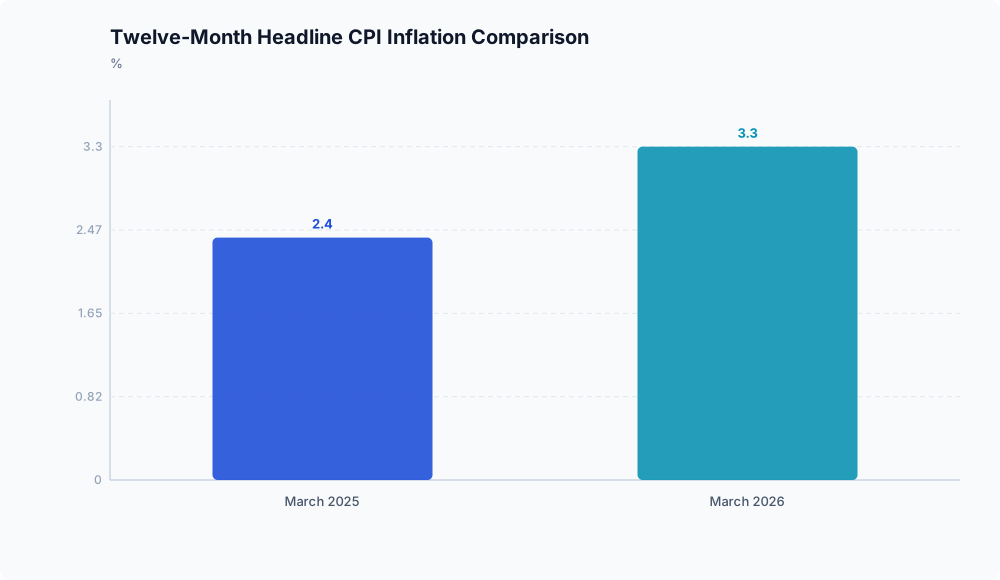
Recent macroeconomic data highlights conflicting pressures across the economy. According to official baseline figures in the U.S. Department of the Treasury TBAC 2Q 2026 economic policy statement, twelve-month headline Consumer Price Index (CPI) inflation accelerated to 3.3% through March 2026, up from 2.4% during the twelve months ending March 2025.
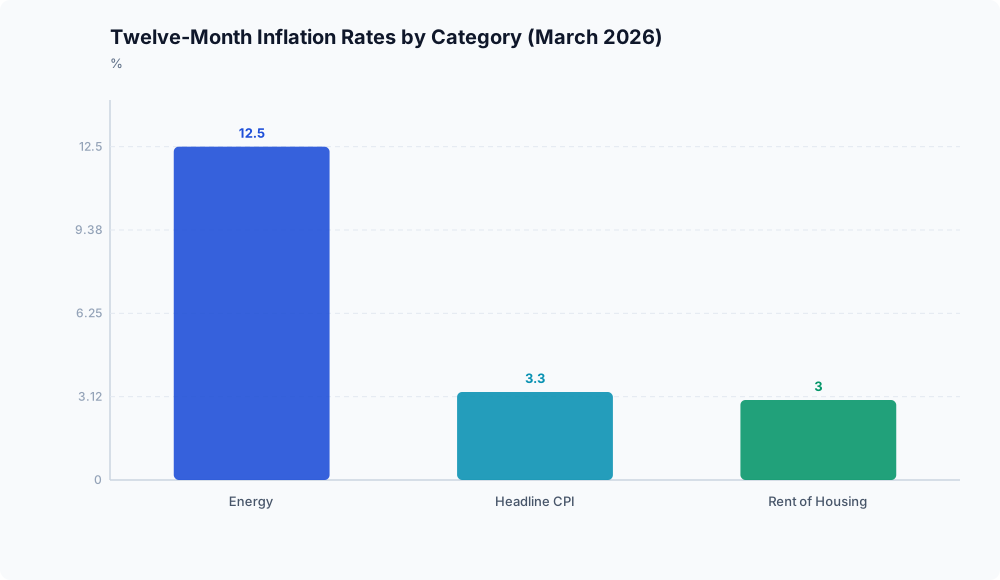
Energy prices drove most of this headline increase. The U.S. Department of the Treasury reported that twelve-month energy inflation rose to 12.5% through March 2026, reversing a 3.3% annual contraction recorded a year earlier.
In contrast, residential shelter costs slowed. Twelve-month rent of housing inflation dropped to 3.0% over the year through March 2026, according to the U.S. Department of the Treasury. That marks the slowest pace of rent growth since September 2021 and falls below the historical pre-pandemic average of 3.3%.
While slower rent growth reflects disinflation in core consumer services, higher energy expenses have offset those domestic service gains at the headline level. Because official data is limited to these specific twelve-month figures, the longer-term durability of non-energy disinflation remains uncertain.
Operational and financing pressures on multifamily assets


For residential real estate investment trusts (REITs) and multifamily property managers, these divergent price trends create distinct operational and balance-sheet pressures.
Net operating income faces compression because rent growth has slowed to 3.0%, as documented by the U.S. Department of the Treasury. Paired with a 12.5% surge in twelve-month energy costs, margins tighten, particularly at properties where heating, cooling, and utility expenses cannot be passed directly to tenants.
Maturing loans also carry higher debt service. The rebound of headline CPI to 3.3%, reported by the U.S. Department of the Treasury, keeps inflation above the Federal Reserve’s long-run objective. That delays expectations for monetary easing and keeps benchmark borrowing costs high.
The Treasury data does not measure commercial property capitalization rates or loan spreads directly. Still, with annual rent revenue growth near 3.0% and interest rates held up by 3.3% headline inflation, multifamily borrowers face sustained debt service costs when refinancing existing debt. Without faster rent growth to balance higher capital costs, property valuations face upward pressure on cap rates to satisfy higher investor yield requirements.
Multifamily real estate faces tighter operating conditions under these split dynamics. With shelter inflation below pre-pandemic norms and energy costs pushing headline inflation higher, rent pricing power weakens just as lenders demand higher yields to compensate for persistent inflation.
Disclaimer: This analysis is for informational purposes only and does not constitute investment, financial, real estate, or legal advice. Always consult a licensed financial advisor before making investment decisions.